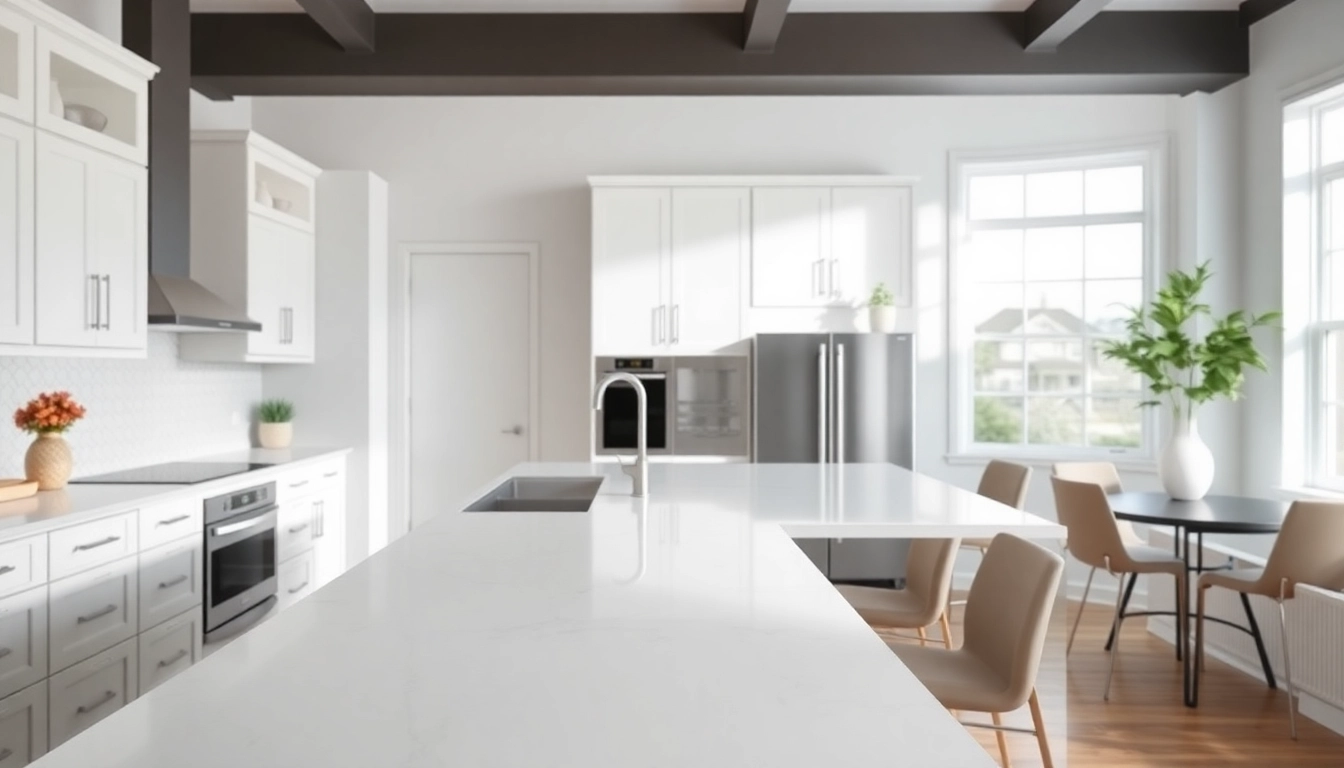
Understanding Home Renovation
Home renovation encompasses a broad spectrum of activities aimed at improving, modernizing, or expanding residential spaces. Whether you want to create a more functional living area, add aesthetic appeal, or increase property value, Home renovation is a powerful tool for achieving these goals. Within this article, we will explore the benefits of renovation, types of projects, and methods to properly establish your renovation objectives.
Defining Home Renovation and Its Benefits
At its core, home renovation refers to the process of upgrading or altering one or more aspects of a home. This can include significant changes such as adding a new room or bathroom, as well as cosmetic updates like painting walls or replacing flooring. The benefits of home renovation are multifaceted:
- Increased Property Value: One of the most notable advantages is the potential to increase your home's market value. Renovations can yield a significant return on investment, especially in high-demand neighborhoods.
- Improved Functionality: Renovations offer the opportunity to create a space that better suits your lifestyle, whether that means an open-concept kitchen for entertaining or adding a home office.
- Aesthetic Appeal: Upgrading design elements can transform the look and feel of your home, providing an inviting atmosphere that reflects your tastes.
- Energy Efficiency: Many renovations focus on improving energy efficiency, leading to reduced utility bills and a smaller environmental footprint.
- Enhanced Safety: Renovating outdated structures or systems can improve the safety of a home, eliminating hazards related to old wiring, plumbing, or building materials.
Common Types of Home Renovation Projects
The categories of home renovation projects are vast, but some of the most common include:
- Kitchens: Kitchen renovations often involve updating cabinetry, countertops, and appliances to create an inviting cooking and dining space.
- Bathrooms: Bathroom remodels can enhance both functionality and luxury by upgrading fixtures, tiling, and storage solutions.
- Basements: Finishing a basement can add significant usable space, whether for recreation, guest rooms, or home offices.
- Exterior Improvements: Enhancements such as new siding, roofing, or landscaping can greatly improve curb appeal.
- Additions: Expanding your home with additional rooms or spaces can accommodate growing families or provide desired amenities.
Identifying Your Renovation Goals
Before diving into a renovation project, it’s crucial to establish clear goals. Start by asking yourself questions such as:
- What is the primary motivation for this renovation?
- How long do you plan to stay in your home after the renovations?
- What specific changes do you want to make, and how will they enhance your quality of life?
Setting clearly defined objectives will help guide your project scope, budgeting, and timeline and ensure that your renovations align with your vision.
Planning Your Home Renovation
Budgeting for Home Renovation
One of the critical aspects of successful home renovation is establishing a realistic budget. Your budget should consider the costs of materials, labor, permits, and unexpected expenses. Follow these steps to create a well-thought-out budget:
- Research Costs: Investigate the average costs for materials and labor in your area. This can help you set an accurate baseline for your budget.
- Get Multiple Estimates: Reach out to several contractors to get estimates. This can provide insights into the market and help you make informed choices.
- Include a Buffer: Set aside a contingency fund (typically 10-20% of the budget) for unexpected expenses or overruns.
Selecting the Right Design Style
Your design style should reflect your personality and the overall aesthetic of your home. Assess your preferences and consider elements such as color palettes, textures, and layout. Explore design styles, including:
- Modern: Characterized by clean lines, minimalism, and open spaces.
- Traditional: Features classic architectural elements, rich wood finishes, and a cozy ambiance.
- Industrial: Incorporates raw materials like metal and wood, often highlighting the building's infrastructure.
- Farmhouse: A rustic yet stylish approach with natural materials, vintage decor, and a warm color palette.
Choose elements that resonate with you and facilitate a cohesive look throughout your home.
Creating a Renovation Timeline
Establishing a timeline for your home renovation project is essential to keep the momentum going and manage expectations. Here's how to effectively plan your timeline:
- Launch Phase: Outline key phases of the renovation, including planning, demolition, construction, and inspection.
- Set Milestones: Identify significant milestones, such as when certain tasks will begin and end. This helps ensure that the project stays on track.
- Be Flexible: Understand that delays can occur. Build cushions into your timeline to accommodate potential setbacks.
Choosing Materials and Skilled Professionals
Essential Materials for Home Renovation
Choosing the right materials can greatly impact the durability and aesthetics of your renovation. Consider the following factors when selecting materials:
- Quality: Invest in high-quality materials to reduce future maintenance and repairs.
- Compatibility: Ensure the materials you select complement your home’s existing architecture and design style.
- Energy Efficiency: Opt for materials that enhance energy efficiency, such as insulated windows or eco-friendly flooring.
By taking time to research and select materials, you can enhance the value and quality of your renovation.
Finding Reliable Contractors
Engaging skilled professionals is crucial to the success of your renovation project. Here are tips for finding trustworthy contractors:
- Check References: Ask for recommendations from friends, family, or local home improvement stores. Research potential contractors online, looking for reviews and testimonials.
- Verify Credentials: Ensure your contractor holds the necessary licenses and insurance. This protects you from liability and ensures compliance with local regulations.
- Interview Candidates: Meet with different contractors to assess their communication skills and ensure they understand your vision.
DIY vs. Professional Help
Deciding whether to handle aspects of your renovation as a DIY project or to hire professionals depends on your skills, the complexity of the project, and the time you can dedicate to it. Consider the following:
- Skills and Experience: Do you have the necessary skills and experience to complete the projects safely and effectively?
- Budget Constraints: While DIY can save money, consider the potential for mistakes that could lead to additional costs down the line.
- Time Availability: Do you have the time available to commit fully to the project without compromising convenience or quality?
Make informed decisions about which tasks you can handle and which would benefit from professional expertise.
Executing the Home Renovation
Managing the Renovation Process
Effective management of your renovation project is vital for staying on track and ensuring quality. Implement the following strategies:
- Regular Check-ins: Schedule regular meetings with contractors to discuss progress, address concerns, and adjust timelines when necessary.
- Stay Informed: Keep abreast of ongoing work and materials being used. Maintaining communication helps avoid conflicts and misunderstandings.
- Document Changes: Keep a record of any changes made during the renovation process, including receipts and design alterations.
Ensuring Safety and Compliance
Safety should always be a priority during renovations. Ensure compliance with local building codes and regulations. Key safety steps include:
- Permits: Verify if your project requires permits and ensure they are acquired before beginning work.
- Protective Gear: Enforce safety protocols, including wearing helmets, gloves, and masks when necessary.
- Site Safety: Ensure the work area is safe and free from hazards to prevent accidents.
Overcoming Common Challenges
Home renovations often come with challenges. Here are common issues faced and proposed solutions:
- Budget Overruns: Track expenses closely and have contingency funds in place to address unexpected costs.
- Time Delays: Build flexibility into your timeline and be prepared to adapt as conditions change.
- Design Changes: It’s common to adjust designs midway. Develop a strategy to evaluate changes while staying mindful of budget and timeline impacts.
Post-renovation Tips and Value Addition
Maintaining Your Renovated Space
After completing renovations, the next step is to maintain your updated space. Regular upkeep is crucial for preserving aesthetics and functionality:
- Routine Cleaning: Implement a cleaning schedule to keep all surfaces in good condition.
- Regular Inspections: Periodically check for wear and tear on systems and surfaces to address minor issues before they escalate.
- Informational Follow-ups: Engage your contractors for maintenance tips specific to the materials used and systems installed during the renovation.
Upgrades for Value Boost
Even after a major renovation, considering additional upgrades can further enhance the value of your property:
- Smart Home Technology: Installing smart devices such as thermostats and security cameras can increase appeal to tech-savvy buyers.
- Energy-Efficient Appliances: Upgrading to energy-efficient options can impress potential buyers while saving on utility costs.
- Curb Appeal Enhancements: Simple improvements like landscaping and fresh paint can boost first impressions and property value.
Getting Feedback and Adjusting
Once renovations are complete, gathering feedback can provide valuable insights into your results:
- Host Gatherings: Invite friends and family to experience the renovated space and provide their impressions.
- Online Surveys: Create online forms for gathering more structured feedback from guests about functionality and design.
- Post-Completion Checks: Conduct assessments on the usability and satisfaction of renovations after several months, and consider making adjustments if needed.