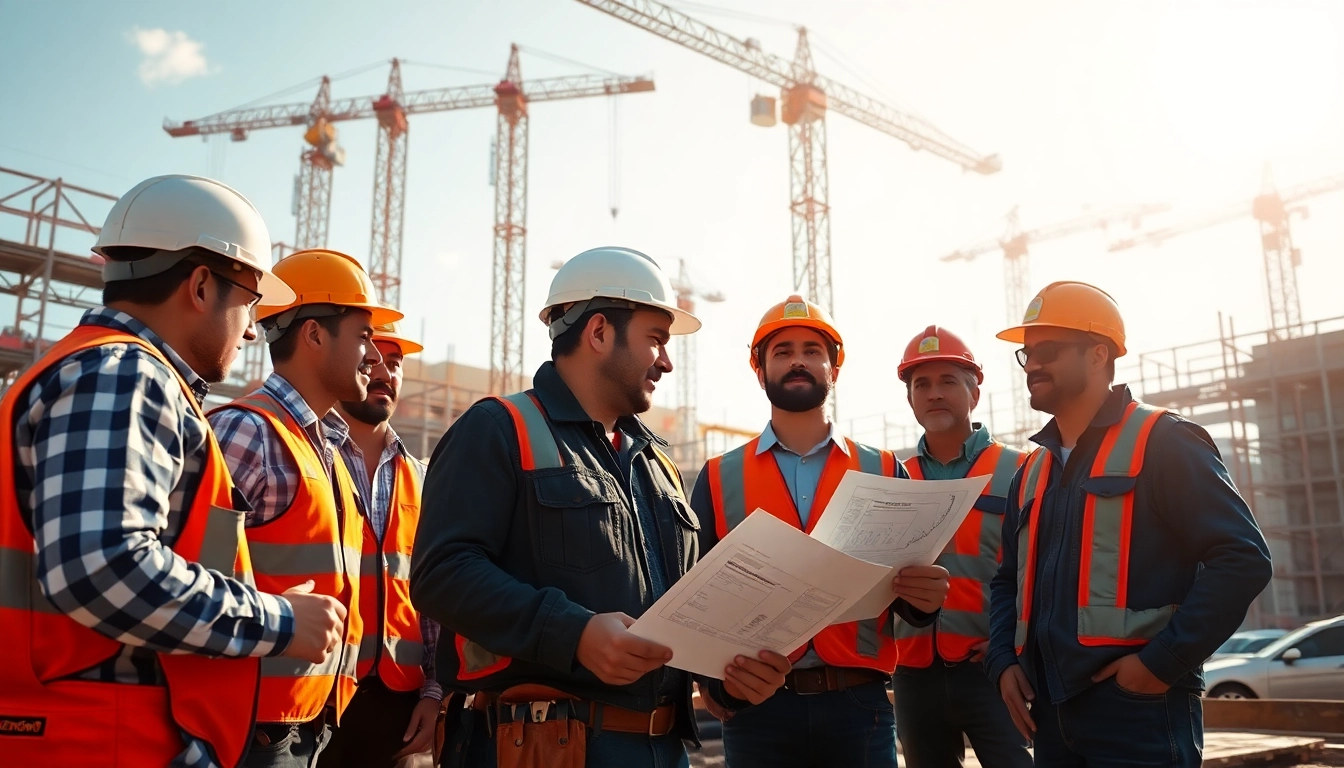
Understanding the Role of a New York City Construction Manager
The role of a New York City Construction Manager is pivotal in the bustling construction landscape of NYC. This position transcends traditional management; it embodies the synergy of planning, executing, and finalizing construction projects within the city’s unique regulatory and cultural framework. A construction manager here must deftly navigate numerous responsibilities and dynamics to bring construction projects from concept to fruition.
Defining Key Responsibilities
A New York City Construction Manager wears many hats, with responsibilities that include:
- Project Planning: Constructing comprehensive project plans that outline scope, budget, resources, and timeline.
- Resource Management: Overseeing the allocation of manpower, materials, and equipment required for projects.
- Quality Control: Ensuring all construction work meets the established standards and regulations.
- Risk Management: Identifying potential risks and developing strategies to mitigate them effectively.
- Client Interaction: Maintaining regular communication with clients to provide updates and to ensure their requirements are being met.
Collaboration with Stakeholders
Collaboration is critical in construction management. A construction manager interacts with various stakeholders, including clients, architects, engineers, contractors, and government officials. This collaboration ensures that everyone is aligned with the project's objectives. The construction manager must facilitate regular meetings and updates to solicit feedback and address any concerns early in the project lifecycle.
Importance of Project Management Skills
Strong project management skills are essential for success as a New York City Construction Manager. This includes proficiency in scheduling, budgeting, and resource allocation. Furthermore, a solid understanding of project management methodologies—like Agile or Waterfall—can significantly enhance the efficiency and effectiveness of project execution.
Top Challenges for New York City Construction Managers
Construction managers in NYC face several challenges that can complicate project execution. Understanding these challenges can aid managers in effectively addressing them.
Navigating Regulatory Compliance
The construction landscape in New York City is governed by an intricate web of regulations. Compliance with local building codes, zoning laws, and safety standards is not just advisable; it is mandatory. A proficient construction manager must stay updated on changing regulations and ensure all project elements adhere to legal requirements to avoid costly delays and penalties.
Managing Diverse Projects and Teams
New York City is known for its diversity, which extends into its construction projects and teams. A construction manager must adeptly manage a variety of projects ranging from residential buildings to large-scale infrastructure. This diversity also extends to team dynamics, requiring construction managers to engage effectively with workers from various backgrounds, each with different skill sets and communication styles.
Budgeting and Cost Control
Managing budgets within the constraints of the project's scope is a critical challenge. Rising material costs, labor disputes, and unforeseen issues can erode budgets quickly. Construction managers must implement stringent cost-control measures and develop a contingency plan to handle any financial challenges that may arise.
Best Practices for Effective Project Management
To overcome the challenges faced in this role, construction managers can adopt several best practices for effective project management.
Utilizing Technology and Software
In the digital age, leveraging technology is essential. Software tools for project management, like Building Information Modeling (BIM), can enhance collaboration and improve project outcomes. Construction managers should ensure their teams are trained on these technologies to maximize efficiency and reduce the margin of error.
Implementing Safety Standards
Safety is paramount in construction. Effective managers enforce safety regulations and foster a culture of safety on-site. Conducting regular safety inspections and training sessions is essential to minimize accidents and ensure compliance with occupational safety standards.
Regular Communication and Reporting
Transparent communication fosters trust and ensures that all parties are on the same page. Construction managers should establish a regular reporting system, providing stakeholders with progress updates, challenges faced, and solutions implemented. This practice helps manage expectations and minimizes misunderstandings.
Measuring Success as a New York City Construction Manager
Success in construction management is measurable through various metrics that reflect project health and performance.
Understanding Key Performance Indicators
Key Performance Indicators (KPIs) such as project completion time, budget variance, and quality measures are critical in assessing project success. A New York City Construction Manager should monitor these KPIs regularly to gauge project performance against established benchmarks.
Feedback Mechanisms from Clients
Feedback from clients provides invaluable insights into the strengths and weaknesses of project delivery. Construction managers should implement a structured feedback mechanism post-project to gather client perspectives. This feedback is crucial for continual improvement and for enhancing client relationships.
Post-Project Evaluation Strategies
Once a project is completed, conducting a thorough evaluation is vital. Reviewing what worked well and what didn’t serves as a learning opportunity. This analysis feeds into future projects, allowing construction managers to refine their processes and strategies for enhanced results.
Future Trends Impacting New York City Construction Managers
Staying ahead of industry trends is critical for construction managers seeking to maintain a competitive edge.
Embracing Sustainable Construction Practices
Sustainability is becoming increasingly important in construction. Incorporating sustainable practices, such as using eco-friendly materials and energy-efficient designs, not only benefits the environment but also appeals to a growing base of environmentally conscious clients. Construction managers should educate themselves on sustainable construction methodologies to integrate them into their projects effectively.
The Impact of Smart City Technologies
As New York City evolves into a smart city, construction managers must adapt to new technologies that enhance urban living. This includes the integration of smart infrastructure and IoT (Internet of Things) devices within construction projects. Understanding how these technologies can be applied will be crucial for modern construction managers.
Preparing for Workforce Changes
The construction workforce is undergoing significant changes, with more emphasis on technology-driven roles and less on traditional labor-heavy roles. As automation and AI begin to permeate the industry, construction managers need to prepare their teams with training to adapt to these new roles, ensuring that they remain competitive and efficiently managed.