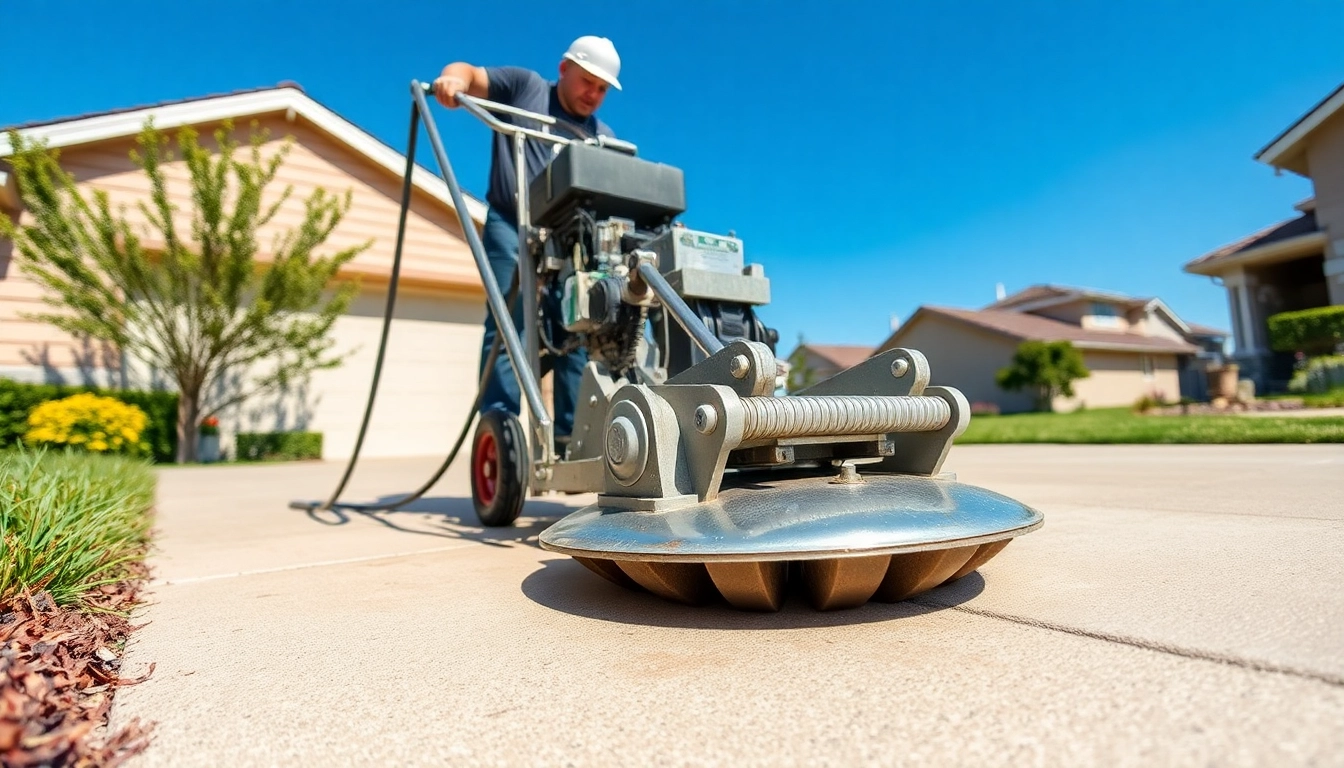
Understanding Concrete Leveling Basics
What is Concrete Leveling?
Concrete leveling, often referred to as slab jacking or mud jacking, is a process used to correct uneven concrete surfaces. This technique involves injecting a cement-based mixture or polyurethane foam beneath the concrete slab, raising it to a level position. The aim is to restore the original elevation of the surface, eliminate trip hazards, and prevent further damage to the slab. Whether it's a driveway, sidewalk, or patio, proper leveling is essential for maintaining structural integrity and aesthetic appeal.
Importance of Concrete Leveling
The significance of Concrete Leveling cannot be overstated. Uneven concrete surfaces can lead to a plethora of problems, including tripping hazards and water pooling, which can cause erosion and further degradation of the concrete. By investing in leveling, property owners not only protect their investments but also enhance safety, improve drainage, and increase the overall value of their property. Leveling can save substantial costs in the long run by preventing the need for complete slab replacement.
Common Reasons for Uneven Concrete
Uneven concrete can arise from various factors, including:
- Soil Settlement: Ground movement can create voids underneath concrete slabs, leading to sinking and uneven surfaces.
- Water Erosion: Heavy rains or improper drainage can wash away supportive soil, compromising the slab's stability.
- Freezing and Thawing: In colder climates, the expansion and contraction of water within the concrete can cause cracking and lifting.
- Heavy Loads: Over time, the weight of heavy vehicles or machinery can compress the soil beneath the concrete, causing it to sink.
Tools and Techniques for Concrete Leveling
Essential Tools for Effective Concrete Leveling
To carry out effective concrete leveling, having the right tools is crucial. Here are some essentials:
- Concrete Pump: Enables the injection of leveling material beneath the surface.
- Drill and Mixing Paddle: Used for mixing lightweight concrete or polymers before injection.
- Pressure Gauge: To monitor the pressure of the injected material for optimal results.
- Leveling Screed: Ensures a smooth and even finish post-leveling.
- Safety Gear: Gloves, goggles, and respirators are essential for personal protection.
Step-by-Step Concrete Leveling Methods
Concrete leveling can typically be done in a few straightforward steps:
- Assessment: Evaluate the slab to identify low areas and decide on the required lifting technique.
- Drilling Holes: Create small holes in the concrete where the leveling material will be injected.
- Injecting Material: Use a concrete pump to inject the leveling material beneath the slab until the desired height is achieved.
- Finishing Touches: Fill the drilled holes and smooth the surface for a cohesive appearance.
Innovative Techniques in Concrete Leveling
Recent advancements in concrete leveling technology have introduced innovative techniques that improve efficiency and effectiveness. One such method is the use of polyurethane foam, which is lightweight and expands to fill voids, providing acute raising capabilities without adding excessive weight. This technique is especially beneficial for residential properties where traditional mud jacking could be too heavy. Furthermore, techniques such as laser leveling technology allow for precision in measuring and leveling, ensuring that surfaces are evenly restored to their original state.
Preparing for a Concrete Leveling Project
Assessing the Area for Concrete Leveling
Before commencing a leveling project, it’s crucial to conduct a thorough assessment of the area in question. Look for signs of water damage, cracks, or other indications of underlying issues. The geometry of the surface should be inspected visually to determine the degree of unevenness and identify specific low spots requiring intervention. Additionally, checking drainage systems is essential, as poor drainage can create recurring problems even after leveling.
Necessary Safety Precautions
Safety should be a top priority during any concrete leveling project. Here are a few essential precautions:
- Wear protective gear, including gloves and safety goggles, to guard against material splashes.
- Ensure the work area is marked and secure to prevent accidents.
- Properly ventilate enclosed spaces when using chemical sealing or leveling agents.
- Understand the operation of all tools and machinery prior to use.
Gathering the Right Materials
The selection of materials used in concrete leveling is crucial for achieving long-lasting results. Common materials include:
- Cement Grout: A traditional yet effective material that can provide substantial lifting.
- Polyurethane Foam: Lightweight and expands under pressure, making it ideal for smaller slabs.
- Filler Material: Such as crushed stone or sand, which may be used in conjunction with the primary leveling materials.
Executing Your Concrete Leveling Plan
Best Practices During Concrete Leveling
To achieve successful concrete leveling, particular best practices should be adhered to:
- Begin work in dry weather to prevent complications with the curing process.
- Mix leveling materials according to manufacturer specifications to ensure optimal performance.
- Inject material slowly and steadily to avoid over-pressurizing and damaging the slab.
- Monitor the leveling process closely and make adjustments as necessary.
Post-levelling Inspection Techniques
Once the concrete leveling is completed, it’s essential to perform a thorough inspection. Check for:
- Level alignment using a straight edge or level gauge across the surface.
- Cracks or other structural issues that may have been hidden before leveling.
- Adequate curing time to ensure the applied materials have set correctly.
Common Mistakes to Avoid in Concrete Leveling
Even seasoned professionals may make mistakes during a concrete leveling project. Here are some common pitfalls to avoid:
- Skipping the Assessment: Not evaluating the underlying issues can lead to poor outcomes.
- Using Improper Material: Low-quality or incorrect materials can cause future failures.
- Ignoring Safety Protocols: Safety should always come first to prevent accidents and injuries.
- Neglecting Drainage Solutions: Addressing drainage issues is crucial for long-term success in leveling.
Evaluating Concrete Leveling Success
Measuring Effectiveness of Concrete Leveling
To evaluate the success of a leveling project, use various measurement techniques. A professional-grade level can assess flatness, while a straight edge helps detect low or high spots. Additionally, it’s essential to observe how well the surface drains under typical weather conditions after the leveling process has been completed.
Longevity of Concrete Leveling Results
The longevity of concrete leveling results largely depends on the materials used and the conditions surrounding the slab. Using high-quality polyurethane foam, for instance, can offer enduring performance that lasts for years, while cheaper options may require intervention sooner. Regular maintenance and inspections further enhance the durability of results, ensuring timely addressing of issues that might arise.
When to Consider Professional Help for Concrete Leveling
While DIY concrete leveling is feasible for minor problems, there are situations where professional assistance should be sought. If the area of concern is extensive, showing significant underlying issues, or if you lack the necessary equipment and experience, hiring a professional may be the best course of action. Additionally, complex structures that require precise leveling to fulfill design specifications are best handled by experienced concrete leveling contractors. Their expertise will ensure optimal results and save time and money in the long run.