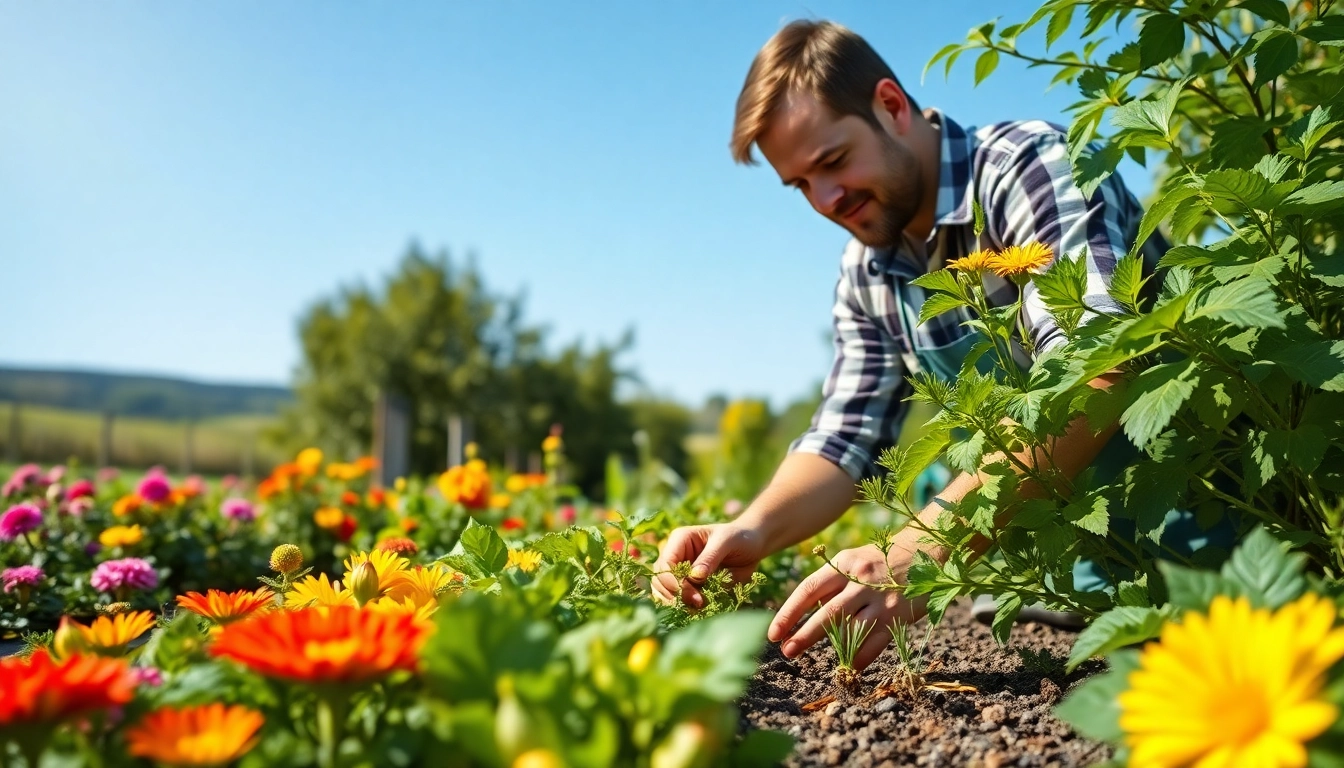
Understanding the Basics of Gardening
Gardening is an art and a science that involves growing and cultivating plants for food, aesthetics, and environmental benefits. Whether you're nurturing a small indoor herb garden or planning a vast vegetable patch, understanding the fundamental concepts of Gardening is essential for success. One of the first steps in your gardening journey is familiarizing yourself with the Gardening tools, plant selection, and the significance of soil preparation.
The Essential Tools for Gardening
Having the right tools can make gardening more enjoyable and productive. Here are some essential gardening tools:
- Hand trowel: A small, handheld tool for digging, planting, and shaping soil.
- Pruners: Used for trimming and shaping plants, ensuring healthy growth.
- Garden fork: Ideal for loosening soil and mixing compost into garden beds.
- Gloves: Protects hands from thorns, bites, and blisters while working in the soil.
- Watering can: Helps in gentle watering of plants, especially seedlings.
- Spade: A larger tool for digging and moving soil.
Investing in quality tools can enhance your gardening experience, making tasks faster and more efficient.
Choosing the Right Plants for Your Space
Selecting the right plants is crucial for a successful garden. Here are important considerations when choosing plants:
- Climate: Understand your local climate and choose plants that thrive in those conditions.
- Sunlight: Assess how much sunlight your garden gets to select plants that fit those needs.
- Soil type: Different plants have different soil requirements. Test your soil to know its texture and nutrients.
- Space: Consider the size of mature plants when planning your layout to avoid overcrowding.
Researching and planning in advance can save time and effort later down the line.
Understanding Soil and Its Importance in Gardening
Soil is the foundation of a successful garden. Healthy soil entails a good balance of nutrients, organic matter, pH level, and soil structure. Regular soil testing is recommended to check for nutrient deficiencies.
Adding organic matter such as compost can improve soil health, enhance water retention, and provide essential nutrients to plants. Understanding the types of soil in your garden—clay, sandy, or loamy—can help you choose the right amendment strategies.
Creating the Perfect Garden Environment
A thriving garden requires more than just basic care; it necessitates a conducive environment for plants to flourish. This includes considerations about sunlight, water, and microclimates.
Sunlight and Its Effects on Plant Growth
Light plays a crucial role in photosynthesis, which plants rely on to grow. Different plants have varying light requirements:
- Full sun: Plants that require at least six to eight hours of direct sunlight.
- Partial shade: Plants that thrive in four to six hours of sunlight.
- Full shade: Plants that require little to no direct sunlight.
Observe the patterns of sunlight in your garden throughout the day, especially if you're working with limited space. Using reflective materials can help optimize sunlight exposure for your plants.
Watering Techniques for Healthy Plants
Proper watering is vital to plant health and growth. Here are effective watering techniques:
- Deep watering: Encourages roots to grow deeper by thoroughly soaking the soil to a depth of at least six inches.
- Drip irrigation: Minimizes waste by delivering water directly to the root zone of plants.
- Soaker hoses: Allow water to seep slowly into the soil, ensuring even moisture retention.
A general rule is to water early in the morning to minimize evaporation, ensuring your plants receive the hydration they require.
Identifying Microclimates Within Your Garden
Microclimates are small localized areas where the climate differs from the surrounding areas. Situating plants in these microclimates can significantly enhance their growth. Factors influencing microclimates include:
- Topography: Hills or slopes can create areas that are warmer or cooler than the surrounding environment.
- Wind patterns: Windbreaks can protect sensitive plants from harsh winds.
- Water bodies: Proximity to water can create a humid microclimate, beneficial for certain plants.
Understanding and utilizing these variations can lead to thriving plant growth in your garden.
Advanced Gardening Techniques for the Enthusiast
Once you are comfortable with the basics, consider advancing your skills with sophisticated techniques that can enhance your garden's yield and health.
Companion Planting for Maximized Growth
Companion planting involves grouping plants together that can benefit each other. This technique can boost plant growth, repel pests, and enhance flavors. Here are some useful combinations:
- Tomatoes and Basil: Basil enhances the growth of tomatoes while repelling pests.
- Carrots and Onions: The onion's aroma deters carrot flies.
- Marigolds and Vegetables: Marigolds deter bad nematodes and pests.
Experimenting with companion planting can lead to increased yields and healthier plants.
Implementing Crop Rotation for Soil Health
Crop rotation involves changing the types of plants grown in a specific area of the garden each year. This practice helps manage soil fertility and pests effectively. Benefits of crop rotation include:
- Breaks pest cycles.
- Reduces soil depletion.
- Improves nutrient balance in the soil.
Plan your crop rotation based on plant families, ensuring that you are not planting the same family in the same spot consecutively.
Using Mulch Effectively in Gardening
Mulching involves covering the soil with materials to improve plant growth. Organic mulches like straw, wood chips, or compost offer numerous benefits such as:
- Moisture retention, reducing the need for frequent watering.
- Weed suppression, minimizing competition for nutrients.
- Improving soil quality as they break down over time.
Apply mulch around plants, ensuring that it does not touch the plant stems to prevent rot.
Gardening for Sustainability
In today's environmentally-conscious world, sustainability in gardening is more crucial than ever. Sustainable techniques will benefit your garden and the planet.
Composting: Recycling Kitchen Scraps for Your Garden
Composting involves recycling organic material into nutrient-rich soil amendments. Starting a compost pile can be simple. Here are the key steps:
- Choose a dry, shady spot to build your compost pile.
- Layer green materials like vegetable scraps and brown materials like dried leaves.
- Keep the pile moist but not wet.
- Turn the pile regularly to aerate it.
Finished compost can amend your garden beds, promoting healthier plants and reducing waste.
Using Native Plants to Promote Biodiversity
Incorporating native plants into your garden supports local ecosystems and requires less maintenance. Native plants are adapted to your local environment, providing habitats for pollinators and other wildlife. Examples of widely adapted native plants are:
- Black-eyed Susans (Rudbeckia hirta)
- Purple Coneflower (Echinacea purpurea)
- Wild Bergamot (Monarda fistulosa)
Using native plants can reduce the need for fertilizers and pesticides, promoting an eco-friendly gardening approach.
Water Conservation Techniques in Gardening
Water scarcity is a growing global concern, and conserving water in the garden is imperative. Techniques to save water include:
- Rainwater harvesting: Collecting rainwater from roofs in barrels for garden use.
- Drip irrigation: Delivering water directly to plant roots with minimal evaporation losses.
- Choosing drought-resistant plants: Selecting plants that require less water for survival.
Implementing these practices can efficiently utilize water resources, especially in arid regions.
Community and Social Aspects of Gardening
Gardening is not just about plants; it can foster a sense of community. Connecting with others can provide inspiration, knowledge sharing, and collaboration in your gardening journey.
Joining Gardening Groups and Clubs
Participating in local gardening groups or clubs can enhance your gardening knowledge and skills. These communities offer:
- Workshops and classes on various gardening topics.
- Opportunities to exchange seeds and plants.
- A supportive network for troubleshooting gardening problems.
Connecting with fellow gardening enthusiasts can transform your hobby into a rich experience.
Participating in Community Gardens
Community gardens are an excellent way to share resources and cultivate plants collaboratively. Participating in community gardens can:
- Provide access to space for those without private gardens.
- Encourage social interaction and community bonding.
- Teach valuable gardening and sustainability skills.
These gardens are vital in building community spirit while promoting sustainable practices.
Sharing Your Gardening Success Stories
Sharing your gardening journey can inspire others. Document your successes and failures, posting updates on social media or gardening forums. Benefits of sharing include:
- Encouraging others to start their gardening journey.
- Receiving feedback and advice from experienced gardeners.
- Building a supportive online garden community.
The stories and experiences you share can significantly benefit both your gardening community and new gardeners.