Understanding the Role of a Locksmith in Modern Security
In an era where security is paramount, the role of a locksmith has evolved significantly. Beyond merely cutting keys and unlocking doors, modern locksmiths are a linchpin in the growing field of security measures. They offer a breadth of services that encompass residential, commercial, and automotive security solutions. At the forefront of this evolution is the integration of advanced technologies, like electronic locks and smart security systems. For comprehensive locksmith services, consider exploring https://www.dakenlocks.com.
Essential Tools Every Locksmith Should Have
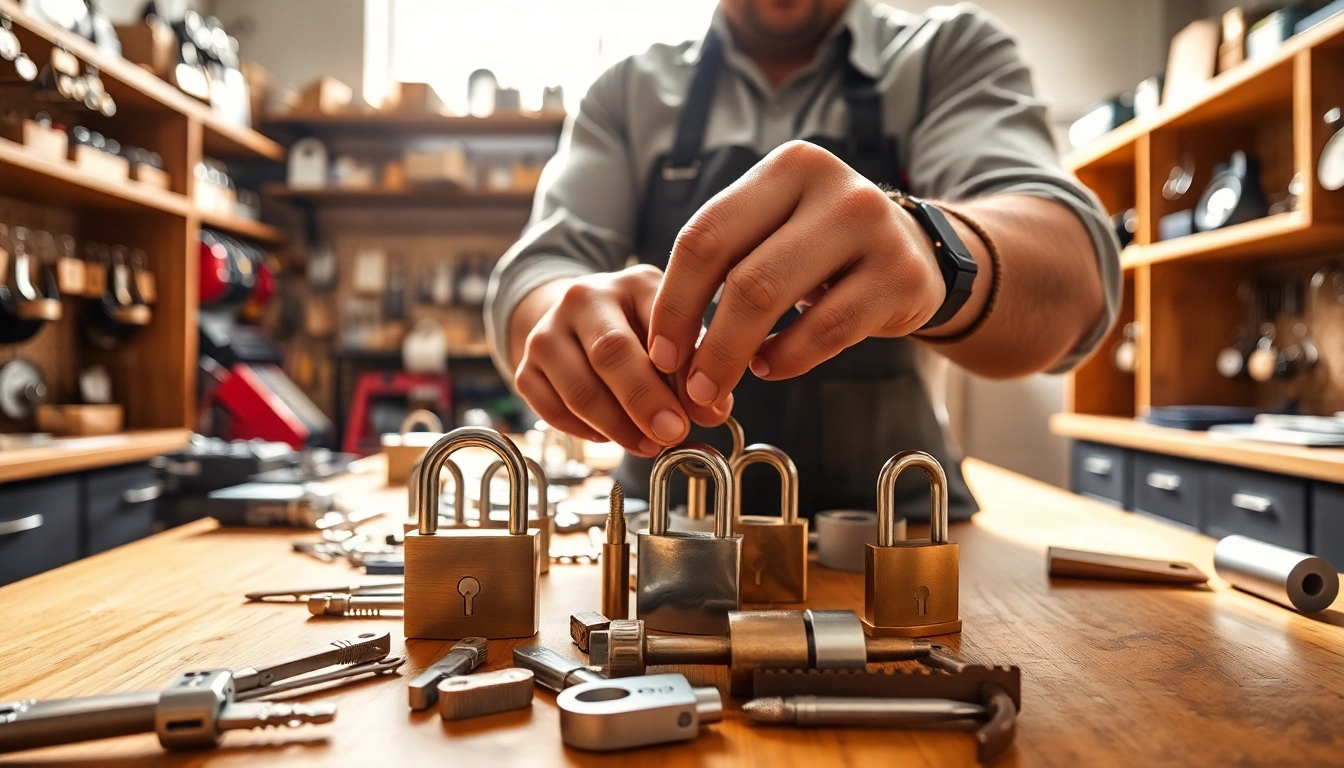
A professional locksmith is only as good as their tools. The right equipment is crucial for efficiently addressing a variety of lock and security issues. Here are some essential tools every locksmith should require:
- Lock Picks: These are fundamental for non-destructive entry into locked doors.
- Tension Wrenches: Used in conjunction with lock picks to apply pressure and manipulate pins.
- Key Extractors: Vital for retrieving broken keys from locks without damaging them.
- Drills: Sometimes, drilling a lock is the only viable option for access.
- Flashlights: Essential for adequately illuminating dark areas when working.
- Modified Allen Keys: Handy for opening car locks or certain types of furniture.
Types of Locks: An Overview
Understanding the different types of locks is crucial for both locksmiths and consumers alike. Locks can be categorized broadly into two main types:
- Mechanical Locks: These traditional locks involve a physical key and a series of pins that need to align before the lock can open.
- Electronic Locks: These locks use keypads, biometrics, or smart technology for secure access, often providing enhanced security features.
Each type has its advantages and disadvantages. Mechanical locks tend to be simple and reliable, while electronic locks offer convenience and can be integrated into smart home systems.
The Importance of Professional Locksmith Services
With increasing security demands, hiring a professional locksmith ensures safety and peace of mind. Amateur attempts at lock repairs or installations can lead to further complications, including potential damage to the lock or door. Secure access is critical, especially in commercial spaces where sensitive information is at stake. Professional locksmith services can also provide valuable insights into enhancing security measures, such as security audits and recommendations for better locking systems.
Common Lock Issues and Troubleshooting Techniques
Identifying Lock Malfunctions
Lock malfunctions can arise from various issues, some of which are easily recognizable. Common symptoms include:
- Sticking or jamming when inserting a key
- Difficulty turning the key
- Key turning but not opening the lock
- Unexpected noises when locking or unlocking
These problems can stem from dirt and debris inside the lock, worn-out components, or a misaligned door frame.
Step-by-Step Troubleshooting Guide
If you encounter trouble with a lock, follow these steps for troubleshooting:
- Inspect the Lock: Check for visible debris, rust, or damage.
- Lubricate the Lock: Apply a graphite or silicone-based lubricant to ease tension.
- Check the Key: Ensure your key is not bent and is functioning correctly.
- Examine the Door Alignment: Misalignment can prevent locks from operating smoothly.
When to Call a Professional
If all troubleshooting steps fail, or if the lock has sustained significant damage, it's time to consult a professional. Attempting repairs on highly complex lock mechanisms can lead to further damage, underscoring the importance of expert intervention.
Choosing the Right Lock for Your Needs
Residential vs. Commercial Lock Options
When selecting locks, the setting greatly influences the type of lock required. Residential locks typically focus on user-friendliness and aesthetics, while commercial locks need to meet higher security standards to safeguard sensitive assets. Here are considerations for both:
- Residential Locks: Deadbolts, knob locks, and smart locks are prevalent options.
- Commercial Locks: Lever handle locks, electronic lock systems, and high-security locks provide enhanced protection against unauthorized access, especially in high-traffic areas.
Factors to Consider Before Purchase
Several factors dictate the choice of lock, including:
- Security Level: Higher grade locks offer better resistance against unauthorized access.
- Price: Budget considerations are essential; however, it’s prudent to invest in quality locks.
- Installation Type: Ease of installation can vary widely among different locks.
- Warranty and Support: A good warranty can provide peace of mind regarding the lock’s performance.
Recommendations for High-Security Locks
For those in critical security sectors, investing in high-security locks is non-negotiable. These locks are resistant to picking, drilling, and other traditional bypass methods. Options such as a Medeco or Mul-T-Lock are recommended due to their robust designs and proven reliability. It’s advisable to consult with a locksmith specializing in high-security solutions for tailored recommendations.
Enhancing Home Security with Smart Locks
Benefits of Keyless Entry Systems
Smart locks allow for keyless entry, reducing the need for physical keys and providing a modern solution to security challenges. Key benefits include:
- Convenience: Users can unlock doors with smartphones, eliminating the need for a key.
- Remote Access: Many smart locks allow users to grant access remotely, making them ideal for temporary visitors.
- Notifications: Receive alerts when someone enters or leaves your home.
Integration with Home Automation
Smart locks can seamlessly integrate with various home automation systems, enhancing overall home security. For instance, when the security system is armed, the locks automatically engage. Integration with smart home hubs allows you to control lighting, cameras, and locks from a single application, promoting user convenience and added security.
Top Smart Lock Brands Compared
Choosing the right brand of smart lock is essential for maximizing security and functionality. Popular brands offer various features:
- August Smart Lock: Designed for existing deadbolts, allowing easy installation and user-friendly app functionalities.
- Schlage Sense: Combines a keypad with Bluetooth technology, providing high-grade security.
- Yale Assure: Integrates with Z-Wave or Zigbee networks for added connectivity within smart home frameworks.
Each device varies in features and price points, so consider your requirements before choosing.
DIY Lock Maintenance Tips
Regular Maintenance Practices
Maintaining locks is often overlooked, yet essential for ensuring longevity and optimal performance. Regular practices include:
- Periodic cleaning of the lock mechanisms to remove dirt.
- Applying lubricant at least twice a year to prevent rust and sticking.
- Checking and tightening screws to secure the lock properly.
How to Lubricate Your Locks
Proper lubrication is a key factor in lock maintenance. Here’s a simple guide:
- Choose the right lubricant (graphite or silicone-based is preferred).
- Spray a small amount into the keyhole and follow up with the lock mechanism.
- Insert the key and turn it several times to spread the lubricant evenly.
- Wipe away excess lubricant around the entry point.
Tips for Troubleshooting Simple Issues Yourself
Sometimes small issues can easily be resolved. For example, if a lock is sticking, have some dry lubricant on hand to alleviate the sticking mechanism. Additionally, checking and adjusting screws or realigning the door can often remedy alignment issues without professional help.