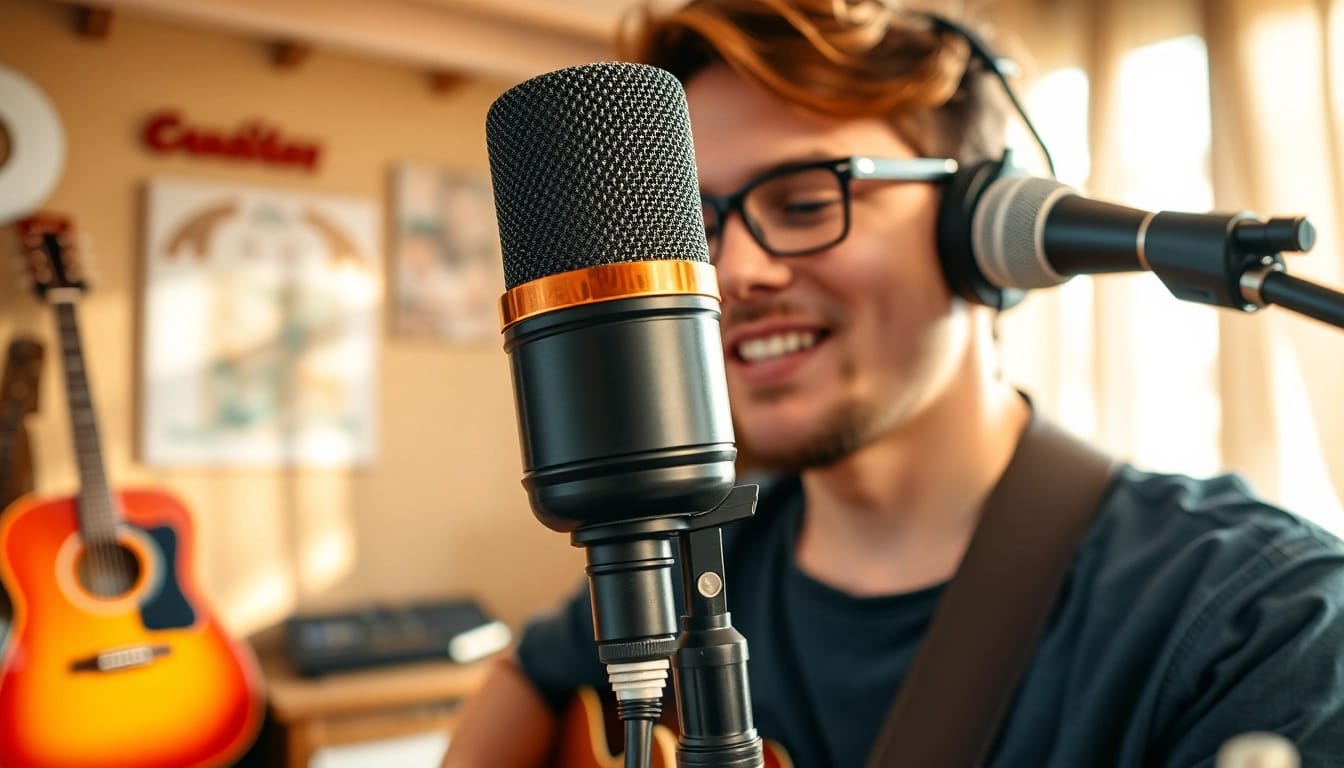
Understanding the MV88 Microphone
The MV88 microphone is a versatile tool designed for both amateur and professional audio applications. Offering exceptional sound quality in a compact size, it's ideal for a wide range of recording scenarios. Musicians, podcasters, and content creators alike appreciate the benefits of the MV88, which stands out not just for its impressive specs, but also for its user-friendly design. With features that cater to both beginners and seasoned pros, the MV88 is quickly becoming a favorite. You can learn more about this outstanding device by visiting MV88 for detailed insights.
Overview of MV88 Features
The Shure MV88 is packed with features that enhance its usability and audio capture capabilities. Notable aspects include:
- Digital Stereo: The MV88 utilizes a digital connection to provide high-quality stereo sound, significantly reducing background noise.
- Adjustable Pickup Patterns: Users can select from different patterns—mono, stereo, and bi-directional—making it suitable for various recording environments.
- Integrated App: The ShurePlus MOTIV app makes recording simple and offers mixing tools, EQ, and other essential editing features.
- Compatibility: The MV88 is designed to fit directly into iOS devices via its lightning connector, making it easy to record on the go without additional equipment.
How MV88 Compares to Other Microphones
When comparing the MV88 to traditional microphones, its strengths become clear. Here's how it stacks up:
- Portability: Its lightweight design makes it easy to transport, unlike larger condenser microphones that require bulky stands and equipment.
- Price Point: While there are cheaper options on the market, the MV88 strikes a perfect balance between price and performance, often outperforming lower-cost alternatives in audio quality.
- Ease of Use: Equipped with a user-friendly app, the MV88 allows users to start recording within minutes—an advantage over more complex setups that require extensive configuration.
Ideal Applications for MV88
The MV88 microphone excels in various situations:
- Music Production: Ideal for capturing vocals and instruments, it's a favorite among musicians looking for portable, high-quality recording options.
- Podcasting: With its directional capabilities, the MV88 is perfect for podcasters aiming to minimize environmental noise.
- Field Recording: Its compact nature makes it suitable for capturing sounds in the field, whether for documentaries or wildlife recordings.
Setting Up Your MV88
Required Equipment for Optimal Use
To make the most of your MV88 microphone, ensure you have the following equipment:
- Compatible Device: An iOS device with a lightning port is essential. Android users can consider adapters or different microphone models.
- Microphone Stand or Tripod: Although the MV88 can be held by hand, a stable surface or stand will improve recording quality.
- Headphones: To monitor your audio during recording, use good-quality headphones compatible with your device.
Connecting the MV88 to Devices
Connecting the MV88 is straightforward:
- Plug the MV88 into the lightning connector of your iOS device.
- Download and install the ShurePlus MOTIV app from the App Store.
- Open the app, which will automatically detect the MV88, allowing you to begin adjusting settings and recording.
Tips for Positioning the Microphone
For optimal sound quality, positioning the MV88 correctly is crucial. Consider these tips:
- Distance: Maintain a consistent distance from the sound source, ideally 6-12 inches, to capture clear audio without distortion.
- Angle: Adjust the microphone direction to face the sound source, particularly when recording vocals or instruments.
- Environment: Minimize background noise by choosing a quiet space and managing reflective surfaces around the recording area.
Recording Techniques with the MV88
Best Practices for Vocal Recording
When using the MV88 for vocals, consider the following best practices:
- Use a Pop Filter: This will help reduce plosive sounds, leading to cleaner vocal tracks.
- Warm-Up: Encourage the vocalist to warm up their voice before recording to achieve better results.
- Check Levels: Regularly monitor input levels in the Shure app to avoid clipping or distortion.
Incorporating Instruments
To effectively record instruments with the MV88:
- Placement: Position the microphone strategically—closer to the sound hole for guitars and slightly farther from brass instruments to capture the full range.
- Dynamic Adjustments: Experiment with the adjustable pickup patterns to focus on specific instruments or to achieve balanced mix of multiple sources.
Live Performance Tips
Using the MV88 during live performances? Here are a few essential tips:
- Stage Setup: Ensure that the sound team has the MV88 configured properly within the audio mix for the best results.
- Backup Recording: Always consider an alternative sound capture method (such as a separate mixer) for redundancy.
- Sound Check: Conduct thorough sound checks before the live performance to identify any potential issues with placement or sound clarity.
Editing and Enhancing MV88 Recordings
Recommended Software for Editing
Editing your MV88 recordings can significantly enhance the final product. Some recommended software includes:
- Audacity: A free, open-source audio editor that's great for beginners.
- Adobe Audition: Offers advanced features for detailed sound editing, perfect for producing professional-quality audio.
- GarageBand: Ideal for Mac users, this software combines ease of use with powerful features for music production.
Techniques to Improve Audio Quality
After recording, you can employ several editing techniques to polish your audio quality:
- Noise Reduction: Use noise gate or reduction tools to eliminate unwanted background noise.
- Equalization (EQ): Adjust frequencies to enhance vocal clarity or to balance the overall mix.
- Compression: Use compression to even out volume levels, making quieter sounds audible while controlling loud peaks.
Exporting Settings and Formats
When it comes to exporting your recordings, consider the following settings:
- Sample Rate: A sample rate of 44.1 kHz is standard for quality audio.
- Bit Depth: Export in 16-bit or 24-bit, depending on your quality needs and storage constraints.
- File Format: Use WAV for high-quality recordings or MP3 for compressed, web-friendly files.
Boosting Your Audio Presence Online
Sharing Your MV88 Recordings
Once your recordings are polished, sharing them online effectively is crucial for growing your audience:
- Platforms: Utilize platforms like SoundCloud, Bandcamp, or YouTube for audio sharing.
- SEO Tips: Optimize titles, descriptions, and tags to improve discoverability.
- Visuals: Create engaging cover art or video content to accompany your audio tracks.
Using Social Media Effectively
Social media can play a vital role in promoting your sound:
- Engagement: Interact with followers and ask for feedback to build a community.
- Consistent Posting: Share regular updates, behind-the-scenes content, or short clips of your recordings to keep your audience engaged.
- Collaborations: Partner with other artists or influencers to broaden your reach.
Building an Audience Around Your Sound
Establishing a loyal fan base requires a mix of techniques:
- Regular Content: Consistency in releasing new material helps maintain audience interest.
- Email Newsletters: Build an email list to keep your audience informed about new releases and events.
- Live Performances: Connect with your audience through live streams or in-person gigs to foster a deeper relationship.