Introduction to Culinary Excellence
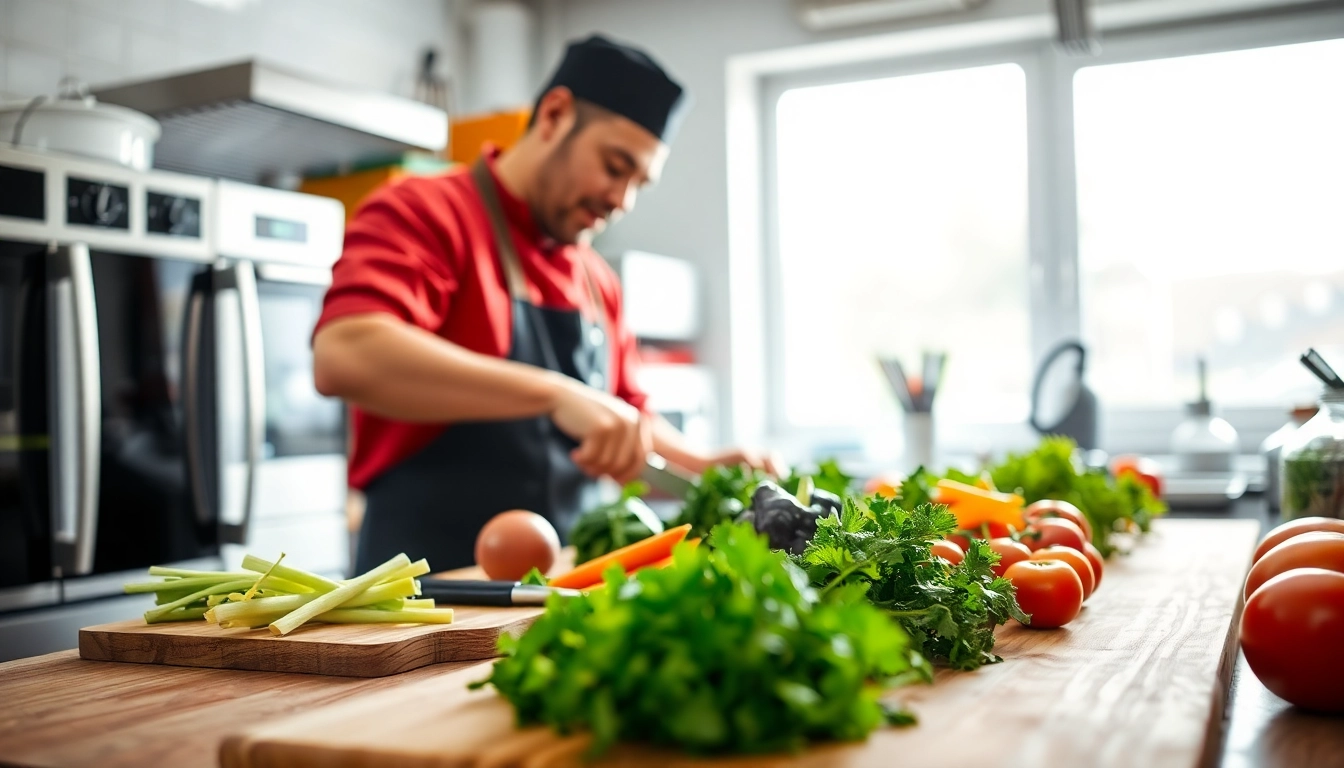
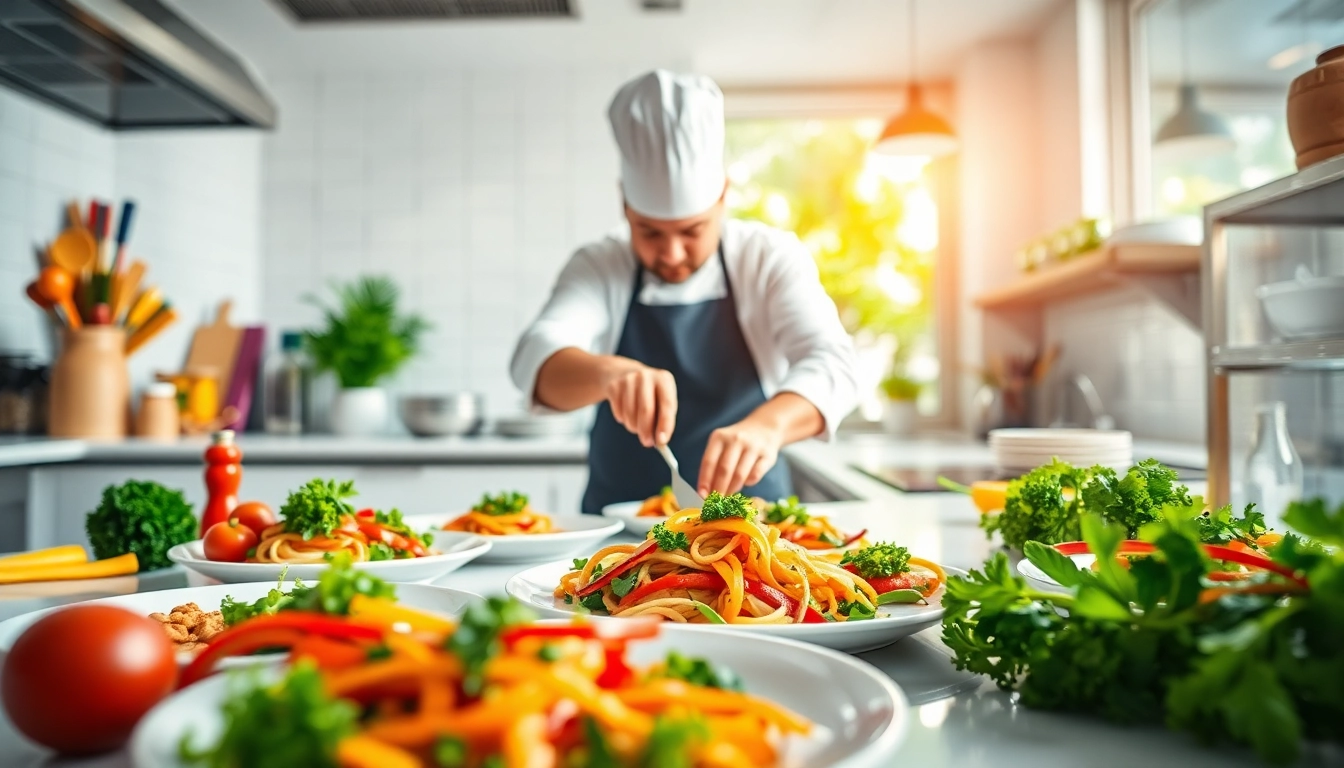
Cooking is an art that transcends borders and cultures, bringing people together over shared meals and experiences. Culinary excellence isn't just about the final dish; it involves mastering the skills, understanding the ingredients, and developing a passion for the craft. At recipesalexarciab.com, we celebrate this journey of culinary discovery and creativity. Whether you are a novice just starting out or a seasoned chef looking to refine your skills, the importance of cooking skills is undeniable.
The Importance of Cooking Skills
Cooking is a vital skill that impacts numerous aspects of life, from health and well-being to social interactions. It fosters independence, encouraging individuals to rely on their creativity and preferences rather than pre-packaged meals. Moreover, it plays a crucial role in family dynamics, promoting togetherness during cooking sessions. As you develop your culinary skills, you’ll discover that cooking can also serve as a form of self-expression and relaxation, offering an opportunity to unwind and explore flavors.
Health Benefits of Home-Cooked Meals
Home-cooked meals are often healthier than takeout or pre-packaged foods. When you cook at home, you control the ingredients, allowing you to make healthier choices. By incorporating fresh vegetables, lean proteins, and whole grains, you can create balanced meals that contribute positively to your health. Furthermore, studies have shown that consuming home-cooked meals can lead to better nutrition, weight management, and overall wellness.
Overview of recipesalexarciab.com
At recipesalexarciab.com, we provide a comprehensive collection of diverse recipes that cater to a variety of tastes and dietary needs. From simple weeknight dinners to elaborate festive feasts, our curated content ensures that there is always something exciting to try. With an emphasis on teaching culinary techniques and understanding ingredients, our aim is to empower every cook with the tools to succeed in their kitchen adventures.
Exploring Diverse Cuisine
One of the most exciting aspects of cooking is the ability to explore cuisines from around the world. Each region has its unique flavors, techniques, and cultural influences that contribute to a rich culinary tapestry. To truly appreciate cooking, it's essential to stretch beyond familiar dishes and embrace a global perspective on food.
Regional Recipes to Try
Regional recipes are a gateway to understanding the culture and traditions of a place. From the spicy curries of India to the savory stews of Morocco, each recipe tells a story, reflecting the ingredients and cooking methods native to that area. Experimenting with different regional recipes is an excellent way for home cooks to broaden their palate and discover new favorite dishes. A few must-try recipes include:
- Paella: A traditional Spanish dish filled with flavors of saffron, seafood, and local vegetables.
- Ramen: A Japanese noodle soup that features a rich broth, various toppings, and unique flavor combinations.
- Ceviche: A refreshing dish from Peru, showcasing fresh seafood cured in citrus juices with herbs and spices.
Global Ingredients and Their Uses
Understanding global ingredients is vital to cooking diverse cuisines. Many ingredients may not be commonly available in your local supermarket, but exploring specialty markets or online stores can open up a whole new world of culinary possibilities. Here are some essential global ingredients to consider:
- Sriracha: A spicy sauce from Thailand that adds a kick to any dish.
- Kimchi: A staple in Korean cuisine, this fermented cabbage dish is packed with flavor and nutrition.
- Miso: A fermented soybean paste used in Japanese cooking that adds umami flavor to soups, marinades, and dressings.
Pairing Flavors for Best Results
Learning how to pair flavors is an essential skill for any cook. Understanding flavor profiles and how different ingredients complement each other can elevate your cooking to new heights. Here are some classic flavor pairings to consider:
- Citrus and Herbs: The brightness of citrus fruits enhances the freshness of herbs like cilantro and basil.
- Garlic and Olive Oil: This combination is fundamental in Mediterranean cooking and can be the base for countless dishes.
- Sweet and Savory: Incorporating sweet elements like honey or fruit into savory dishes can create a harmonious balance of flavors.
Essential Cooking Techniques
In the kitchen, knowing a variety of cooking techniques can dramatically improve your culinary abilities. From the foundational methods every cook should master to the advanced techniques used by professionals, this section offers insights into essential skills.
Fundamental Methods Every Cook Should Know
Every aspiring chef should be comfortable with a few fundamental cooking techniques. These methods not only build confidence but also form the basis for a wide range of recipes:
- Sautéing: A quick method of cooking food in a small amount of oil over high heat.
- Baking: A dry heat method that transforms batters and doughs into delicious baked goods.
- Boiling: Cooking food in water or broth, often used for pasta and vegetables.
Advanced Techniques for Experienced Chefs
Once you are comfortable with fundamental methods, it’s time to explore advanced cooking techniques that can take your skills to the next level. Some examples include:
- Sous Vide: A method of cooking food in a vacuum-sealed bag in a temperature-controlled water bath for precision.
- Fermentation: A process that transforms food through the action of bacteria and yeast, enhancing flavors and nutritional value.
- Emulsification: The technique of combining two liquids that typically don't blend, such as oil and vinegar in a salad dressing.
How to Adapt Recipes for Dietary Needs
As dietary restrictions become more common, the ability to adapt recipes is a vital skill for every cook. Here’s how to modify recipes to cater to different dietary needs:
- Gluten-Free: Substitute regular flour with gluten-free alternatives such as almond flour or gluten-free all-purpose flour.
- Vegan: Replace animal products with plant-based alternatives—use flaxseed meal or applesauce instead of eggs, and coconut or almond milk instead of dairy.
- Low-Carb: Opt for spiralized vegetables instead of pasta or rice to create low-carb versions of your favorite dishes.
Engaging with Community and Sharing Recipes
Cooking can often feel like a solitary endeavor, but engaging with others can enhance the experience tremendously. From online forums to local cooking classes, sharing recipes and learning from others can inspire new ideas and foster relationships.
Building a Cooking Network
Creating connections with fellow cooking enthusiasts can be incredibly rewarding. Consider joining local cooking classes, community centers, or online platforms where you can share your experiences and learn from others. These interactions often lead to lasting friendships and invaluable culinary insights.
Participating in Recipe Exchanges
Recipe exchanges are a fun way to discover new dishes while sharing your own creations. These can be organized through cooking groups, social media, or even within families. Participating in these exchanges encourages creativity and introduces you to various culinary traditions and methods.
Encouraging Feedback and Collaboration
Receiving feedback on your dishes can be a fantastic way to improve your cooking skills. Inviting friends or family to taste your creations and provide constructive criticism can yield valuable insights. Additionally, collaborating on recipes with others can lead to innovative ideas and exciting new flavors.
Conclusion and Resources
As we conclude our exploration into the world of cooking, remember that the journey is ongoing. Each recipe you try, every skill you develop, and all the flavors you encounter add to your culinary repertoire. Embrace the adventure and the challenges as opportunities to grow and learn.
Improving Your Skills with Online Tools
In today’s digital age, a wealth of resources exists to support your culinary journey. Online platforms offer tutorials, cooking classes, and forums where you can engage with other cooking enthusiasts. Platforms dedicated to culinary education can help refine your skills from the comforts of your home.
Recommended Cookbooks and Blogs
Investing in quality cookbooks and following reputable food blogs can serve as invaluable references. Look for books that focus on techniques, ingredient exploration, and cultural dishes. Following food blogs can keep you updated with trends and innovations, providing a constant source of inspiration.
Final Thoughts on Cooking at recipesalexarciab.com
At recipesalexarciab.com, we encourage you to delve into the culinary arts with enthusiasm and curiosity. Following this guide, you can sharpen your cooking skills, explore diverse cuisines, and build connections with fellow food lovers. Embrace every cooking adventure; your kitchen is a canvas for creativity!