The Role of Steel Fabrication Shop in Industry
The steel fabrication shop plays a critical role in a variety of industries, providing expertly crafted metal components necessary for construction, manufacturing, and other applications. By transforming raw steel into functional elements, these workshops help deliver durability and reliability to structures and products alike. With an understanding of various processes, impeccable quality control, and the right materials, a steel fabrication shop can serve as a backbone to multiple sectors, ensuring projects are executed efficiently and effectively. Given the growing demand for custom solutions, the ability to innovate within the space of a steel fabrication shop remains an invaluable asset.
Understanding Steel Fabrication Processes
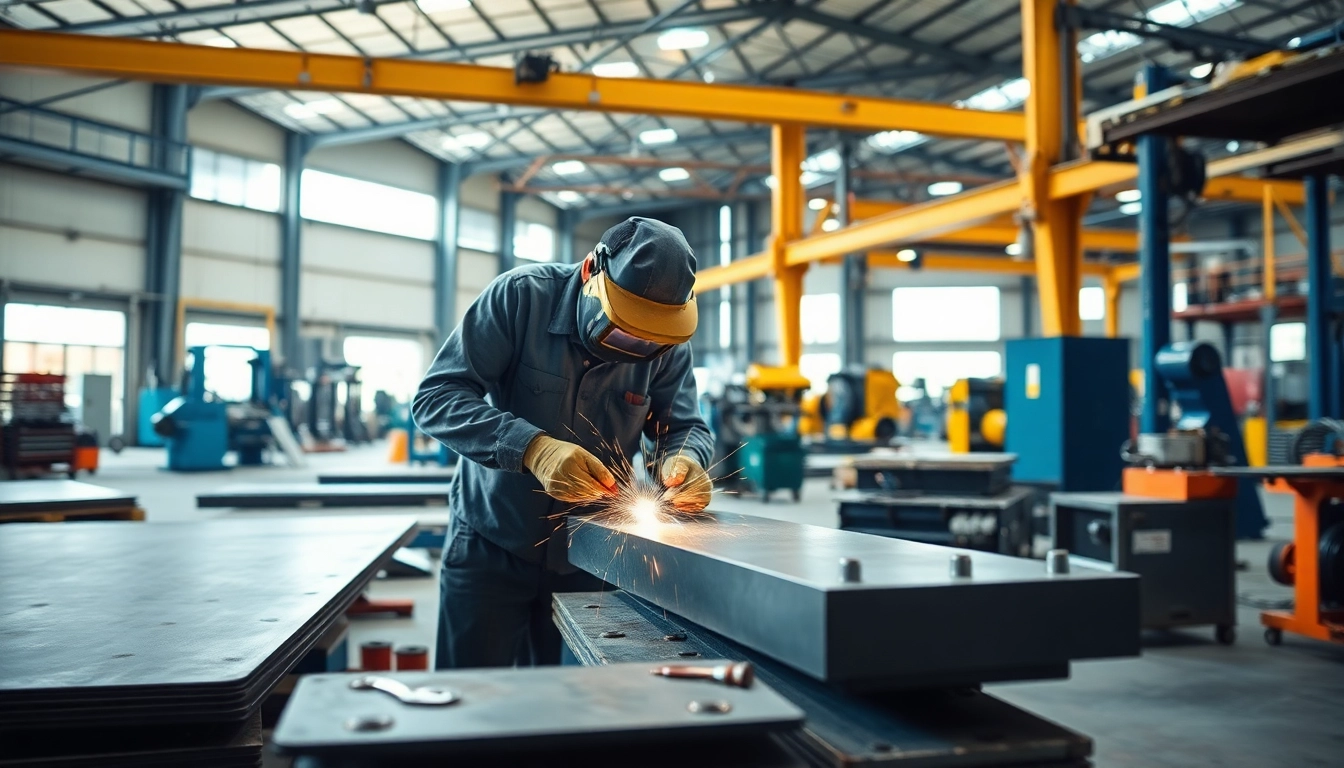
The fundamental processes within a steel fabrication shop include cutting, bending, welding, and assembling. Each stage requires specialized techniques customized to different project requirements. Welding processes such as MIG (Metal Inert Gas), TIG (Tungsten Inert Gas), and Stick welding, play a significant role in joining metal pieces securely. Cutting can be performed through methods like plasma cutting, laser cutting, or even sawing, which can dictate the precision and finish of the steel components created. Subsequent to these processes is bending, which utilizes hydraulic and mechanical presses to create the desired shapes and angles of the metal pieces. Understanding the nuances of each task enhances a shop's capability to deliver high-quality products tailored to client needs.
Importance of Quality Control
Quality control is essential in a steel fabrication shop, as it ensures that the end product meets all specified requirements and industry standards. Implementing rigorous inspection protocols at various stages—before, during, and after fabrication—helps identify potential defects early on. This could include dimensional inspections, weld testing, and material testing for durability and strength. By investing in quality control measures, shops not only enhance the safety of their products but also their reputation in the marketplace, fostering client trust and long-term business relationships.
Key Materials Used in Steel Fabrication
The choice of materials in steel fabrication is paramount. Primarily, various grades of steel are utilized, chosen based on the specific attributes required for a project. Structural steel, stainless steel, and carbon steel are common materials found in fabrication shops. Beyond steel, shops might also employ aluminum, brass, and copper, particularly for projects requiring lightweight or corrosion-resistant properties. The detailed knowledge of these materials, including their mechanical properties and behavior during fabrication, is vital for ensuring the strength and longevity of the fabricated components.
Essential Equipment for a Steel Fabrication Shop
Overview of Must-Have Machinery
A well-rounded steel fabrication shop must be equipped with a range of machinery tailored to the diverse processes of fabrication. This includes cutting equipment like band saws and plasma cutters, which allow for precision cuts. Bending and forming equipment like press brakes and roll formers create structural shapes. Welding machines and torches are essential for joining components. Additionally, tools such as shot blasters and paint booths are used for surface preparation and finishing, ensuring that the products are both aesthetically pleasing and operationally functional. Having high-quality machinery not only increases efficiency but also ensures that the output is consistent and meets client specifications.
Safety Equipment and Protocols
Safety in the steel fabrication shop cannot be overstated, as workers are often exposed to hazardous conditions including loud noises, sharp tools, and heavy machinery. Essential safety equipment includes personal protective gear like gloves, helmets, and eye protection, which safeguard workers against injuries. Additionally, implementing organized protocols for equipment operation, accident reporting, and emergency responses is crucial. Regular safety training sessions should be conducted to keep all employees informed of best practices and equip them to handle emergencies effectively. Creating a safety-first culture enhances morale and reduces the likelihood of workplace accidents.
Maintenance Practices for Longevity
Regular maintenance of machinery and tools in a steel fabrication shop is fundamental for ensuring operational efficiency and longevity. Scheduled maintenance practices should focus on cleaning, lubricating, and testing equipment performance. This proactive approach minimizes unexpected breakdowns, prolongs the life of machinery, and maintains safety standards. Additionally, record-keeping for all maintenance activities helps track machine conditions and schedules repairs or replacements before any major issues arise. By prioritizing maintenance, a fabrication shop can prevent costly downtime and enhance productivity over time.
Skill Development in the Steel Fabrication Shop
Training Programs for Aspiring Welders
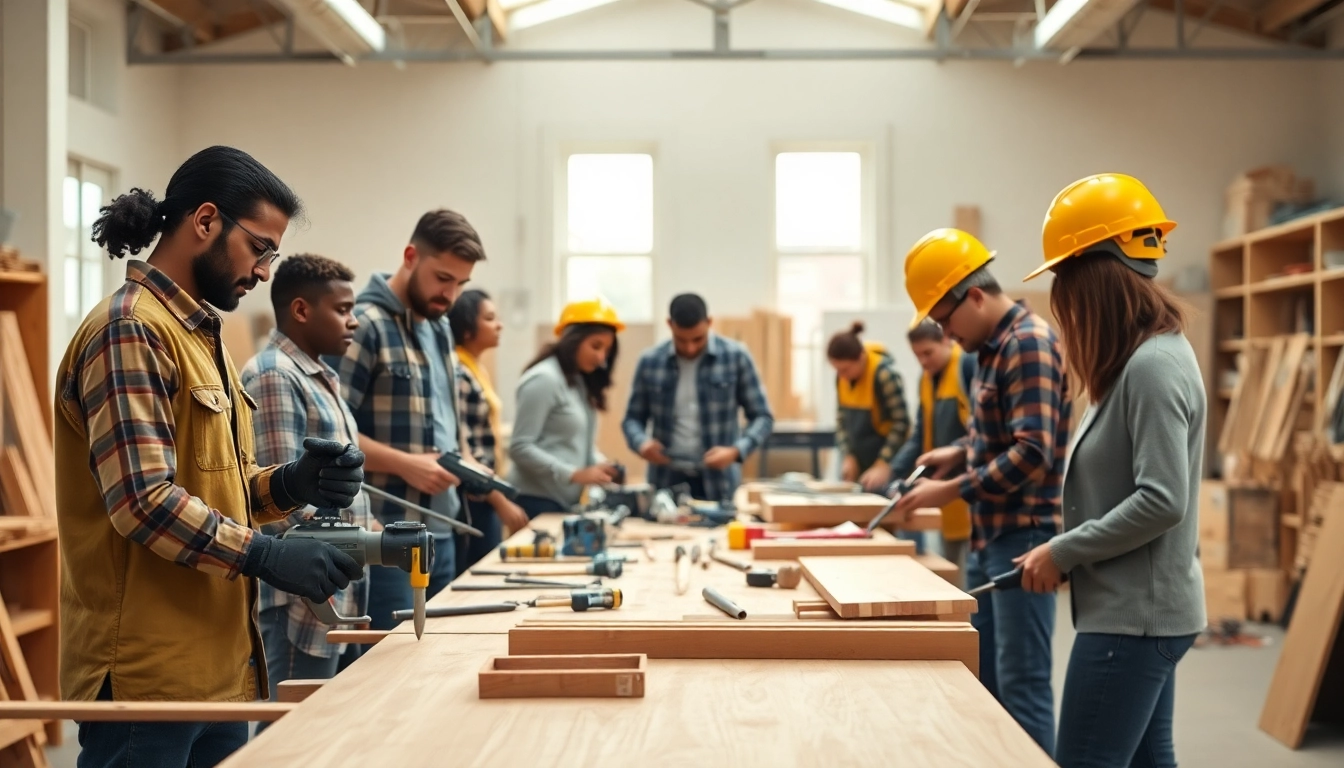
Training programs for aspiring welders and fabricators play a critical role in the development of skilled labor in the industry. These programs often include a combination of theoretical knowledge and hands-on practice to ensure proficiency in various welding techniques and fabrication processes. Many steel fabrication shops partner with educational institutions to offer apprenticeships, enabling trainees to gain firsthand experience and insights from seasoned professionals. By fostering skill development through structured programs, the industry can address labor shortages and enhance the overall quality of work produced.
Advanced Techniques in Steel Working
In addition to fundamental skills, advanced techniques in steel working can set a professional apart. Techniques such as CNC machining, laser cutting, and robotic welding have emerged as standards in modern fabricating processes. Embracing these technologies allows fabricators to achieve higher precision, greater efficiency, and the capability to tackle complex designs that traditional methods may not allow. Continued education and training in these advanced techniques are crucial for keeping the workforce competitive in an increasingly technology-driven landscape.
Certifications That Matter
Certifications can significantly enhance a fabricator’s career prospects and credibility in the field. Various organizations offer certifications that validate an individual's skills in welding, fabrication, and safety practices. Achievements such as AWS (American Welding Society) certifications or those from the National Center for Construction Education and Research establish professional standards that are recognized across industries. Obtaining these certifications not only improves employability but also demonstrates a commitment to maintaining high standards, ultimately benefiting the entire fabrication shop and its customers.
Challenges Faced by Steel Fabrication Shops
Addressing Labor Shortages in the Industry
One of the pressing challenges facing steel fabrication shops is the shortage of skilled labor. As the demand for metal fabrication continues to rise, attracting and retaining qualified professionals becomes increasingly complex. Initiatives such as outreach to schools, restructuring compensation and benefits, and fostering a positive work environment can incentivize new talent. Moreover, creating pathways for career advancement and offering apprenticeships are essential strategies shops can employ to cultivate the workforces of tomorrow, ensuring the survival and growth of the industry.
Dealing with Supply Chain Disruptions
Supply chain disruptions pose significant challenges, impacting the sourcing of raw materials and the timely delivery of projects. Global events such as political unrest or environmental changes can variably affect material availability. To manage these challenges, fabrication shops must diversify their supplier base, maintain open communication with vendors, and sometimes stockpile critical materials. Additionally, utilizing just-in-time inventory processes can help balance costs while ensuring that materials are readily available when required.
Adapting to Technological Changes
As technology progresses, steel fabrication shops must continuously adapt to remain competitive. This can include integrating software for design and production management, automating processes with robotics, and employing advanced machinery for precision work. However, implementation comes with its own set of challenges, including training staff and potential high initial investment costs. Adopting a gradual approach can facilitate adaptation, allowing shops to enhance productivity while minimizing disruption to ongoing operations.
Future Trends in Steel Fabrication Shop
Embracing Automation and Robotics
The future of steel fabrication is poised to embrace even more automation and robotics. Manufacturing processes are evolving rapidly, with the integration of robots for tasks such as welding, cutting, and material handling not only increasing speed and efficiency but also enhancing precision. These advancements help reduce human error and improve the overall safety of the workspace. As technology continues to evolve, fabricators who invest in automation will likely gain a competitive edge, optimizing workforce productivity and project turnaround times.
Eco-Friendly Practices in Steel Production
The steel industry is witnessing a growing shift towards sustainability, with many fabrication shops adopting eco-friendly practices. Implementing strategies to reduce carbon emissions, recycle scrap metal, and minimize waste in the fabrication process is becoming standard practice. By sourcing sustainable materials and utilizing energy-efficient equipment, shops not only contribute to environmental conservation but can also appeal to a market increasingly concerned with sustainability. Emphasizing eco-friendly practices can enhance public perception and foster relationships with environmentally-conscious clients.
The Rise of Customization in Fab Shops
Customization is emerging as a critical trend within steel fabrication. As clients demand more personalized and unique solutions for their projects, the ability to offer customized products will set fabricators apart. This may involve employing advanced technologies such as 3D printing and CAD (Computer-Aided Design) software, which allow for tailored designs that meet specific requirements. Providing such tailored services enhances client satisfaction, often resulting in repeat business and a robust reputation in the industry.
FAQs
What are the main services provided by a steel fabrication shop?
A steel fabrication shop primarily offers cutting, bending, welding, and assembling metal structures according to client specifications and industry standards.
How important is safety in a steel fabrication shop?
Safety is crucial; proper protocols and equipment are necessary to prevent accidents and injuries, ensuring workers are protected during operations.
What materials are typically used in steel fabrication?
Common materials include various grades of steel, aluminum, and other metals, each selected based on the project requirements for durability and functionality.
What skills do workers need in a steel fabrication shop?
Workers often need welding skills, knowledge of fabrication processes, and proficiency with machinery and tools, along with a commitment to safety practices.
How is quality maintained in steel fabrication?
Quality is ensured through rigorous inspections, adherence to industry standards, and the consistent use of high-quality materials throughout the fabrication process.