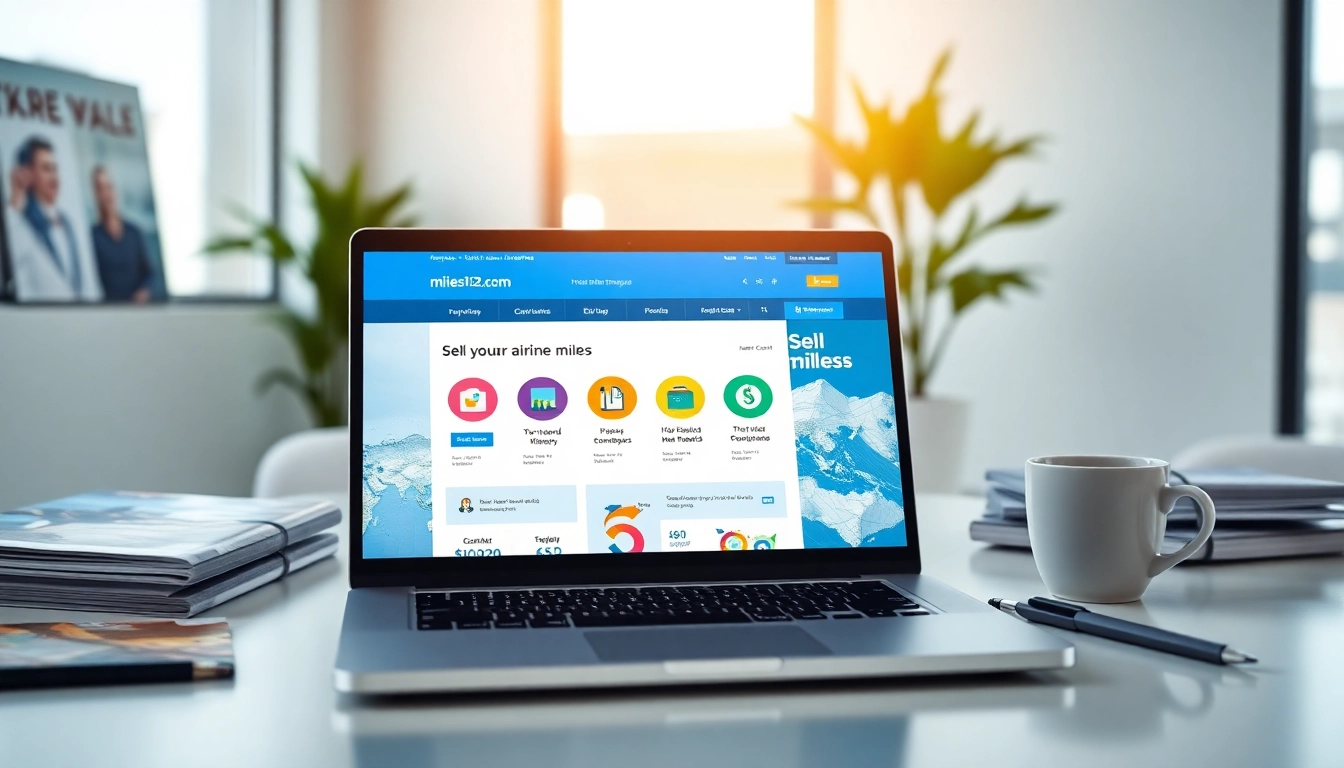
Understanding Airline Miles Value
What Are Airline Miles?
Airline miles, often referred to as frequent flyer miles or loyalty points, are rewards earned through various travel-related activities. These can include flying with an airline, using co-branded credit cards, or making purchases through partner companies. The primary purpose of these miles is to incentivize customer loyalty, enabling travelers to earn free flights, upgrades, or other travel-related benefits. Understanding what airline miles are is crucial for maximizing their value and ultimately deciding whether to sell them.
Factors Affecting Mile Value
The value of airline miles can fluctuate based on several critical factors:
- Redemption Options: Different airlines have varying redemption structures, meaning that the number of miles needed for a flight can differ significantly. Some airlines offer better value for long-haul flights than short domestic ones, making the plan for redemption a vital aspect.
- Market Demand: High-demand routes may require more miles to book an award ticket. Conversely, off-peak travel times may offer better redemption opportunities.
- Expiration Policies: Some airline miles expire if not used within a specific time frame. Understanding these policies can affect when you should consider selling your miles.
- Promotions: Airlines occasionally offer promotions that increase the value of miles, such as bonus miles for specific routes or times.
How to Assess Your Mileage
To assess your airline mileage value effectively, start by reviewing your rewards program. Check the airline’s website for details on how to redeem miles and compare it to the cash equivalent. Consider using tools that calculate the monetary value of your miles based on frequent flyer needs. Knowing how much your miles are worth helps you decide whether to sell them or keep them for future travel plans.
How to Prepare to Sell on https://miles123.com
Reviewing Your Mileage Accounts
Before selling your airline miles, conduct a thorough review of your mileage accounts. This involves checking your balances across various airline loyalty programs and consolidating the information to determine which miles you are willing to sell. Pay special attention to:
- Expiration dates of miles
- Potential value of each mile in different redemption options
- Any promotional offers that might enhance the value of your miles
Calculating Potential Earnings
To estimate how much you can earn from selling your airline miles, calculate the fair market value. Research offers available from platforms like https://miles123.com and compare them to other selling opportunities you might find. Also, factor in any transaction fees or potential hidden costs that could affect your final payout. Evaluate these against what you could earn through redemption options to determine the most profitable route.
Documenting Your Mileage
Documentation is vital when preparing to sell your miles. Ensure you have your account details ready, including loyalty program membership numbers and any recent transaction information. This information will facilitate a smooth selling process and allow for accurate payment transactions. Moreover, organizing your mileage documentation will speed up steps throughout your sale.
Steps to Sell Your Miles
Navigating https://miles123.com Process
Once you're ready to proceed, familiarize yourself with the selling process on the platform:
- Visit the website and create an account if you don’t already have one.
- Enter the details of your mileage accounts, including the number of miles you want to sell.
- Review the offered prices and select the appropriate one based on your needs.
- Confirm your sale and follow the steps to finalize the transaction.
Understanding Payment Options
Understanding the payment options available when selling your miles is critical. Most platforms offer various methods, including direct bank transfers, PayPal, or other cash payment options. Evaluate which method aligns best with your needs, considering aspects such as fees, processing time, and convenience. Ensure you read the terms associated with each payment option to avoid any misunderstandings.
Tips for a Smooth Transaction
To ensure your transaction goes smoothly, keep these tips in mind:
- Double-check that you've entered the correct mileage details and personal information.
- Stay aware of any confirmation emails or notices sent by the platform.
- Keep records of your transactions, including screenshots or email confirmations for future reference.
Maximizing Profits When Selling Miles
Timing Your Sale
Timing is significant when selling airline miles. Monitor the seat availability and travel trends for the airline you’re considering selling miles for. Selling during off-peak travel seasons, or just before airline promotions, can yield better prices and higher demand for your miles. Pay attention to travel conditions, holiday seasons, and other factors that may affect sale timing.
Marketing Your Extra Miles
While you may not typically think of marketing your extra miles, understanding how to effectively position them can enhance your earnings. Utilizing social media or relevant forums to share your available miles can attract interested buyers. Highlighting the specific airline, mileage amounts, and any unique advantages your miles offer can generate interest. Always ensure you are following the terms of use set forth by the airline loyalty programs while marketing your miles.
Case Studies: Successful Sales
Learning from others’ experiences can provide valuable insights. Consider case studies of successful sellers who navigated the sale of their airline miles effectively. Analyze what strategies they employed, how they assessed their mileage, and the timing of their sales. Implementing these strategies can inform your approach and increase your chances of successful transactions.
Customer Support and Resources at https://miles123.com
Utilizing FAQs for Better Understanding
Customer support resources, including FAQs, are invaluable when navigating the process of selling miles. By taking the time to review these resources, you can gain a clearer understanding of the process, address common concerns, and learn about any potential hurdles that may arise. Subsequently, any uncertainties can be clarified, streamlining your selling experience.
Contacting Support for Issues
If you encounter challenges, don’t hesitate to reach out to customer support. Ensure you have all relevant information regarding your sale ready and communicate your concerns clearly. Customer support should be equipped to assist you in resolving issues promptly. A proactive approach can be crucial in preventing small issues from escalating into larger problems.
Learning from Community Experiences
Leveraging community experiences can also enhance your knowledge about the selling process. Engage with other sellers through online forums, social media groups, or dedicated community pages. Learning from their experiences and recommendations can provide practical insights that are not covered in written materials. Be open to feedback and different perspectives to enrich your understanding of the selling environment.