
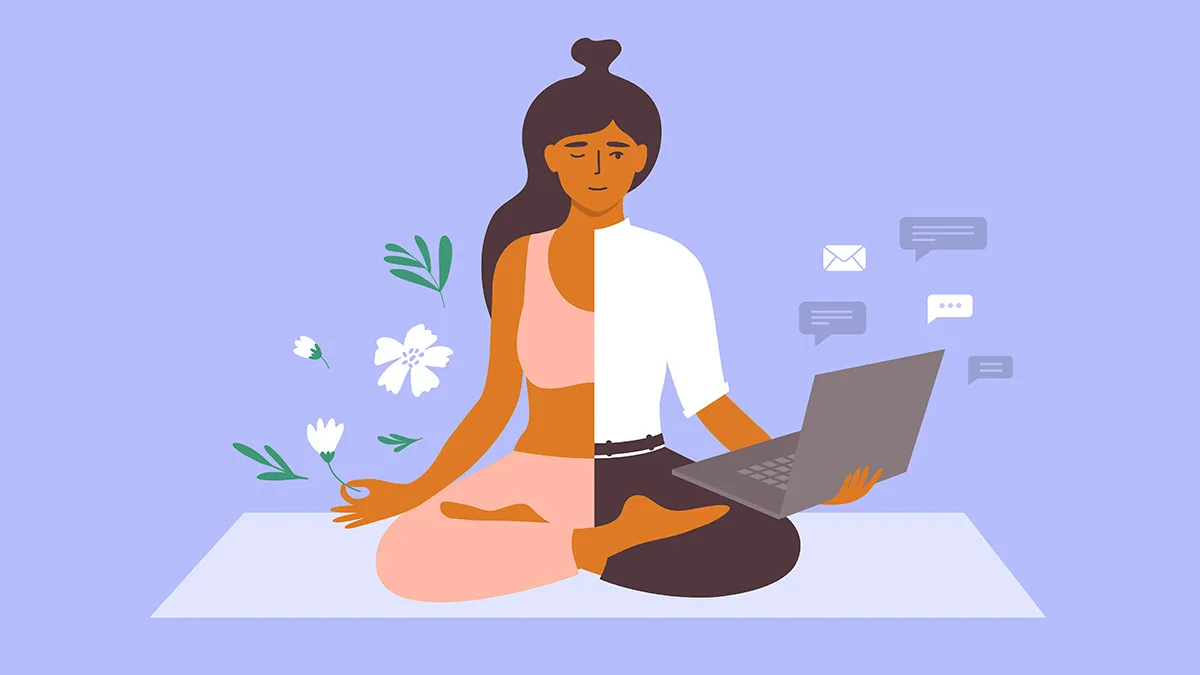
Managing emotional challenges is an essential part of maintaining long-term mental health and personal well-being. Emotional challenges can arise from stress, anxiety, life transitions, relationship difficulties, or internal struggles that affect daily functioning and overall quality of life. At Calm Minds Hub, we focus on practical, evidence-based Mental wellness tools that help individuals understand, manage, and navigate emotional challenges with clarity, resilience, and confidence. By integrating the right tools into daily life, emotional balance becomes more achievable, sustainable, and empowering.
Understanding Emotional Challenges
What Are Emotional Challenges
Emotional challenges refer to difficulties in regulating, processing, or coping with emotions in a healthy way. These challenges may include persistent stress, anxiety, emotional overwhelm, low mood, frustration, self-doubt, or difficulty adapting to change. Emotional challenges are a natural part of the human experience, but when unmanaged, they can negatively impact mental wellness, relationships, productivity, and physical health.
Why Emotional Challenges Require Mental Wellness Tools
Emotions influence thoughts, behaviors, and decision-making. Without effective mental wellness tools, emotional challenges can intensify, leading to burnout, chronic stress, or emotional exhaustion. Mental wellness tools provide structure, awareness, and coping strategies that support emotional regulation, resilience, and clarity during difficult periods.
The Role of Mental Wellness in Emotional Regulation
Mental wellness focuses on maintaining psychological balance, self-awareness, and emotional stability. It equips individuals with techniques to observe emotions without being controlled by them, respond thoughtfully instead of reacting impulsively, and maintain inner stability even during emotionally demanding situations.
Foundational Mental Wellness Tools
Emotional Awareness and Labeling
One of the most powerful mental wellness tools is emotional awareness. This involves recognizing emotions as they arise and accurately identifying them. Labeling emotions such as stress, sadness, frustration, or fear helps reduce their intensity and creates psychological distance. Emotional awareness supports clarity, reduces emotional confusion, and strengthens emotional intelligence.
Journaling for Emotional Processing
Journaling is an effective tool for processing emotional challenges. Writing thoughts and emotions helps organize internal experiences, identify triggers, and gain insight into emotional patterns. Regular journaling supports mental wellness by reducing mental clutter and promoting emotional release without judgment.
Mindfulness Meditation
Mindfulness meditation trains the mind to stay present and observe emotions without resistance or attachment. This mental wellness tool reduces emotional reactivity, decreases anxiety, and improves emotional regulation. Mindfulness helps individuals experience emotions without becoming overwhelmed, creating space for calm and clarity.
Grounding Techniques
Grounding techniques help individuals reconnect with the present moment during emotional distress. Simple practices such as focusing on breathing, noticing physical sensations, or engaging the senses provide immediate emotional stabilization. Grounding supports mental wellness by calming the nervous system and restoring emotional balance.
Cognitive Tools for Managing Emotional Challenges
Cognitive Reframing
Cognitive reframing involves identifying negative or distorted thought patterns and replacing them with balanced, realistic perspectives. Emotional challenges often intensify due to unhelpful thinking styles such as catastrophizing or self-blame. Cognitive reframing supports mental wellness by encouraging rational evaluation and emotional flexibility.
Thought Monitoring
Thought monitoring is a mental wellness tool that increases awareness of recurring thought patterns. Tracking thoughts helps identify emotional triggers and habitual reactions. Once patterns are recognized, individuals can consciously choose healthier responses, improving emotional regulation and resilience.
Self-Talk Management
Internal dialogue has a significant impact on emotional well-being. Managing self-talk by replacing harsh or critical language with supportive and compassionate statements strengthens mental wellness. Positive self-talk promotes emotional stability, confidence, and adaptive coping during challenges.
Problem-Solving Frameworks
Structured problem-solving tools help break down emotional challenges into manageable steps. Defining the issue, exploring solutions, evaluating options, and taking action reduces emotional overwhelm. This approach supports mental wellness by transforming emotional distress into practical problem-solving.
Emotional Regulation Tools
Deep Breathing Techniques
Deep breathing activates the parasympathetic nervous system, reducing stress and emotional intensity. Techniques such as diaphragmatic breathing or box breathing provide immediate relief during emotionally charged moments. Regular practice enhances mental wellness and emotional control.
Progressive Muscle Relaxation
Progressive muscle relaxation involves tensing and relaxing muscle groups to release physical and emotional tension. This tool supports emotional regulation by calming the body and reducing stress-related emotional symptoms.
Emotional Acceptance
Acceptance is a powerful mental wellness tool that involves allowing emotions to exist without judgment or resistance. Accepting emotions does not mean approving of discomfort but acknowledging emotional experiences as temporary and manageable. Emotional acceptance reduces internal conflict and supports emotional balance.
Visualization Techniques
Visualization involves creating calming mental images or imagining successful coping scenarios. This mental wellness tool reduces anxiety, enhances emotional confidence, and promotes a sense of control during challenging emotional experiences.

Behavioral Tools That Support Emotional Stability
Establishing Daily Routines
Consistent routines provide structure, predictability, and emotional safety. Establishing regular sleep, meals, work, and self-care routines reduces emotional instability and supports long-term mental wellness.
Physical Activity as an Emotional Tool
Movement plays a vital role in emotional regulation. Physical activity releases endorphins, reduces stress hormones, and improves mood. Regular exercise supports mental wellness by enhancing emotional resilience and reducing emotional tension.
Healthy Boundary Setting
Setting boundaries protects emotional energy and prevents burnout. Learning to say no, managing expectations, and prioritizing personal needs are essential mental wellness tools for maintaining emotional balance in relationships and work environments.
Engaging in Meaningful Activities
Participating in activities that provide purpose and enjoyment strengthens emotional well-being. Hobbies, creative expression, volunteering, or skill development support mental wellness by fostering positive emotions and self-worth.
Social and Interpersonal Tools
Building Support Networks
Social connection is a critical mental wellness tool. Supportive relationships provide emotional validation, perspective, and reassurance during difficult times. Engaging with trusted individuals reduces emotional isolation and enhances resilience.
Effective Communication Skills
Clear and respectful communication helps express emotions constructively. Learning to articulate needs, feelings, and boundaries supports emotional clarity and reduces conflict-related stress.
Seeking Professional Support
Mental health professionals provide structured tools, guidance, and evidence-based strategies for managing emotional challenges. Therapy, counseling, or support groups strengthen mental wellness by addressing emotional difficulties in a safe and informed environment.
Peer Support and Community Engagement
Participating in peer support or community groups creates a sense of belonging and shared understanding. These connections normalize emotional challenges and provide encouragement, reinforcing emotional stability.
Lifestyle Tools That Enhance Mental Wellness
Nutrition for Emotional Health
Balanced nutrition supports brain function and emotional regulation. Consuming nutrient-dense foods, staying hydrated, and limiting excessive caffeine or sugar contributes to emotional stability and mental wellness.
Sleep Optimization
Sleep is essential for emotional processing and stress recovery. Maintaining consistent sleep schedules, practicing good sleep hygiene, and prioritizing rest enhances emotional resilience and clarity.
Digital Well-Being Practices
Managing digital consumption is an important mental wellness tool. Reducing excessive screen time, limiting exposure to negative content, and practicing mindful technology use prevent emotional overload and cognitive fatigue.
Creating Supportive Environments
Physical environments influence emotional states. Creating calm, organized, and comfortable spaces supports emotional regulation and mental wellness by reducing sensory stress.
Long-Term Mental Wellness Tools for Emotional Growth
Self-Reflection Practices
Regular self-reflection encourages emotional insight and growth. Reviewing emotional experiences helps identify progress, challenges, and opportunities for improvement, supporting long-term emotional development.
Developing Emotional Intelligence
Emotional intelligence involves understanding, managing, and responding to emotions effectively. Building emotional intelligence strengthens relationships, decision-making, and resilience, making it a foundational mental wellness tool.
Cultivating Self-Compassion
Self-compassion supports emotional healing by reducing self-criticism and promoting kindness toward oneself. Practicing self-compassion enhances emotional recovery and mental wellness during difficult times.
Continuous Learning and Adaptation
Learning new coping strategies, emotional skills, and wellness techniques fosters adaptability. Emotional challenges change over time, and continuous learning ensures mental wellness tools remain effective and relevant.
Integrating Mental Wellness Tools Into Daily Life
Creating a Personalized Wellness Plan
A personalized mental wellness plan combines emotional, cognitive, behavioral, and lifestyle tools tailored to individual needs. Consistency and flexibility are key to sustaining emotional balance.
Tracking Progress and Adjusting Strategies
Monitoring emotional patterns and evaluating tool effectiveness supports continuous improvement. Adjusting strategies based on experience strengthens mental wellness and emotional resilience.
Practicing Patience and Consistency
Emotional growth is a gradual process. Practicing patience, consistency, and self-kindness ensures that mental wellness tools deliver lasting benefits.
Conclusion
Mental wellness tools provide practical, effective support for managing emotional challenges in daily life. By integrating emotional awareness, cognitive strategies, behavioral habits, social support, and lifestyle practices, individuals can navigate emotional difficulties with clarity and resilience. Emotional challenges are not obstacles to avoid but opportunities for growth when approached with the right mental wellness tools. At Calm Minds Hub, we are committed to simplifying evidence-based mental wellness strategies, empowering individuals to build emotional strength, balance, and long-term well-being. Our homepage is packed with the latest tools and information—don’t miss it.
FAQs
What are the most effective mental wellness tools for emotional challenges
Effective tools include mindfulness meditation, journaling, cognitive reframing, emotional awareness, deep breathing, physical activity, and supportive social connections. Combining these tools enhances emotional regulation and resilience.
How long does it take for mental wellness tools to work
Results vary depending on consistency and individual needs. Many people notice improvements within a few weeks of regular practice, while long-term emotional stability develops through sustained use.
Can mental wellness tools replace professional support
Mental wellness tools are highly beneficial, but they do not replace professional mental health care. Professional support is recommended when emotional challenges are persistent, overwhelming, or interfere with daily functioning.