Understanding the Importance of Community in Health and Wellness
Why Community Matters for Mental Health
The relationship between community and mental health is profound. Community provides a foundational support network that fosters emotional well-being. Engaging with others in meaningful ways can reduce feelings of loneliness and anxiety, which are prevalent in today's fast-paced world. Studies have consistently shown that individuals who participate in community life report higher levels of happiness and lower levels of depression. Support from peers can lead to more significant resilience against mental health challenges.
Furthermore, communities that actively promote mental well-being provide environments where individuals feel safe to share their struggles. In community spaces, people find context for their experiences, often realizing they are not alone in their mental health journeys. Initiatives such as peer support groups and community counseling can play pivotal roles in enhancing member mental health, creating a culture of understanding and support.
The Role of Supportive Relationships in Physical Health
Supportive relationships are integral to maintaining physical health. Research indicates that individuals with strong social connections experience better health outcomes. This can be attributed to various factors, including emotional support, increased motivation for healthy behaviors, and resource sharing, which can lead to better access to health care and healthy lifestyle choices.
For example, friends and family often encourage engagement in exercise, nutritious meal preparation, and regular health screenings. The social component of joining fitness classes or community health initiatives not only familiarizes participants with health-promoting behaviors but also strengthens communal ties. Consequently, participation in community-driven health activities can reduce the risk of chronic diseases and foster a culture of proactive health management.
Promoting Inclusivity in Health Activities
Inclusivity in health activities is essential for creating a welcoming atmosphere for all community members. When health programs actively include diverse population groups, they ensure equitable access to health and wellness resources. This can involve adapting activities to accommodate different physical abilities, age groups, and cultural backgrounds.
Promotional strategies can also include multilingual materials, varied scheduling for events, and deliberate outreach to underrepresented groups. By fostering an inclusive environment, communities can enhance participation rates and maximize the benefits of health initiatives. An inclusive approach not only boosts engagement but also enriches the shared experiences and knowledge within a community.
Popular Wellness Activities to Enhance Community Engagement
Group Fitness Classes and Their Benefits
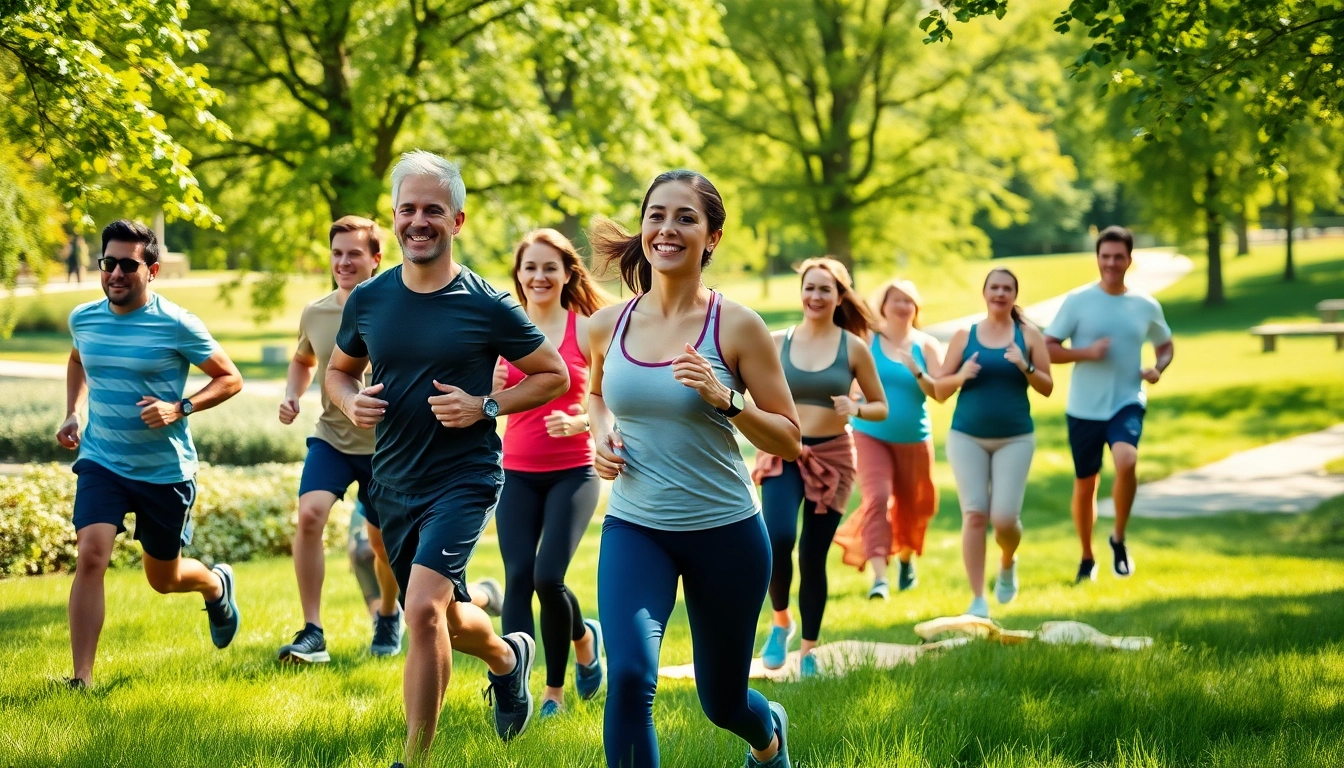
Group fitness classes offer a dynamic way to engage community members in physical activity. These classes not only provide structured workouts led by trained instructors, but also offer opportunities for social interaction and networking. The collective energy during group workouts can act as a catalyst for motivation, encouraging participants to push their limits while building camaraderie.
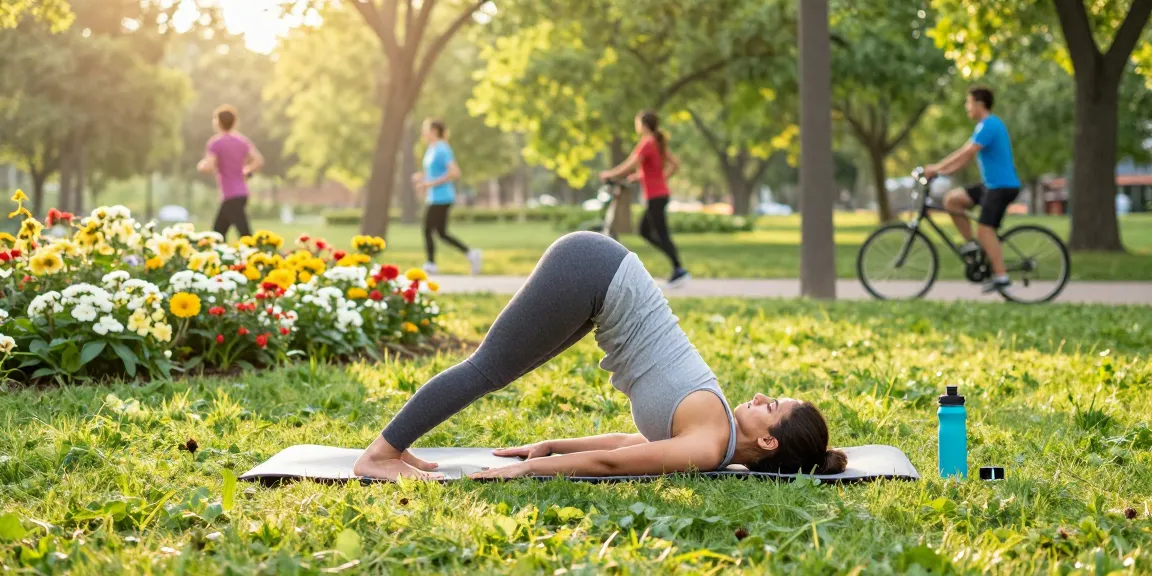
From yoga and pilates to high-intensity interval training (HIIT) sessions, diverse offerings can cater to various preferences and fitness levels. By creating an inviting atmosphere, organizers can encourage newcomers to join, ensuring that everyone can participate regardless of their fitness journey. Furthermore, communities that offer regular fitness classes can create a sense of routine and commitment among participants, which is beneficial for long-term health.
Outdoor Sports: Building Skills and Friends
Engaging in outdoor sports not only promotes physical health but also provides an excellent platform for building friendships. Team sports such as soccer, basketball, and softball foster collaboration and communication among participants, helping to strengthen community bonds. These activities are often community-driven, allowing individuals to form connections over shared interests, enhancing their social networks.
Additionally, outdoor sports can be particularly appealing due to their versatility; they can be enjoyed in various settings and can include children, adults, and seniors alike. Organizing local tournaments or leagues not only promotes physical fitness but also encourages community pride and empowers individuals to develop their skills while enjoying the fresh air.
Creating Fun Health-Focused Events
Health-focused events serve as exciting opportunities to engage the community in wellness initiatives. Organizing events like health fairs, cooking competitions, or wellness challenges can attract a wide array of participants eager to learn more about health and wellness. These events can facilitate education on nutrition, fitness, and mental well-being while also celebrating local achievements.
For example, hosting a community-wide fitness challenge can energize the population, creating a sense of friendly competition and motivation to reach common health goals. Inviting local wellness experts to offer workshops or talks can enhance the educational aspect of these events, making them both enjoyable and informative. Community members can also showcase their talents, such as local chefs presenting healthy recipes or athletes demonstrating fitness techniques, fostering a sense of unity through shared knowledge.
Tips for Initiating Community Health Programs
Identifying Community Needs and Interests
Before launching health programs within the community, understanding the specific health needs and interests of its members is crucial. Conducting surveys or hosting focus groups can help gather valuable insights that will inform the design of relevant programs. By engaging with community members directly, organizers can pinpoint gaps in existing services, thereby tailoring offerings to meet those needs more effectively.
This step also involves recognizing the demographic makeup of the community, including age, cultural practices, and lifestyle habits. For instance, a community with a younger population might benefit more from high-energy fitness classes and nutritional workshops, while a more senior demographic may appreciate gentle exercise sessions and discussions about chronic disease management. Prioritizing community input will ensure the programs launched are not only appealing but also impactful.
Planning Effective Health Events
Planning health events requires careful consideration to maximize participation and effectiveness. This entails logistics planning, such as venue selection, obtaining necessary permits, and arranging for supplies. Moreover, harnessing the power of local partnerships can also enhance the quality and reach of the events. Collaborating with local health organizations, businesses, or schools can provide additional resources and help to draw in a wider audience.
Promotion is another significant component; using social media, flyers, and word-of-mouth can create buzz around the event. It's crucial to identify a target audience for each event to tailor marketing strategies accordingly. Emphasizing the benefits participants will receive can further motivate individuals to attend. Ensuring that events are accessible and inclusive will lead to better engagement as well.
Building Partnerships for Greater Impact
Long-lasting health improvements often result from collaborative partnerships within the community. Organizations, healthcare providers, schools, and civic groups can all play roles in enhancing community health initiatives. By forming alliances, these entities can pool resources, share knowledge, and reach more people effectively.
Partnerships can take many forms, from co-hosting events to creating joint educational programs. For instance, a collaboration between local fitness studios and health service providers can lead to more comprehensive health workshops that cover both physical fitness and medical guidance. Furthermore, these partnerships can also inspire volunteer efforts, enabling community members to get involved actively, thereby strengthening their connection to local health initiatives.
Evaluating the Success of Community Health Initiatives
Metrics for Measuring Engagement and Impact
To assess the effectiveness of community health programs, it’s essential to establish relevant metrics for measurement. Engagement can be evaluated through participation rates, retention in programs, and attendance at events. Surveys distributed before and after initiatives can provide crucial data on perceived health improvements and satisfaction levels among participants.
Gathering quantitative data like the number of attendees or activities completed is important, but qualitative feedback is equally valuable. Testimonials and case studies can provide deeper insights into the impact of community health initiatives on individual lives. Understanding both the hard numbers and personal stories will paint a comprehensive picture of an initiative's success.
Gathering Feedback from Participants
Continuous improvement of health programs hinges on gathering feedback from community members. Post-event surveys and forums can create spaces where participants are encouraged to share their experiences and suggestions for improvement. This input can help community organizers understand what worked well and what aspects need adjustment for future initiatives.
Moreover, soliciting feedback can empower participants, making them feel valued and heard. Incorporating their suggestions into the planning of future programs can lead to heightened engagement and loyalty among participants, strengthening community bonds over time.
Adapting Programs Based on Community Input
Adapting programs based on community feedback is critical for maintaining relevance and effectiveness. By remaining open to change and innovation, organizers can better align initiatives with the evolving needs and interests of the community. Regularly revisiting program goals and structures, in light of participant feedback, ensures that health initiatives do not become stagnant.
It’s also vital to communicate any changes or improvements made based on community input. This transparency fosters trust between organizers and participants and encourages continued involvement in health initiatives. Demonstrating a commitment to serving the community can promote a culture of loyalty and active participation.
Leveraging Online Platforms for Community Wellness
Engaging Virtual Communities through Social Media
Social media can be a powerful tool for fostering community engagement around health and wellness. Platforms like Facebook, Instagram, and Twitter can be used to share valuable content, promote local events, and encourage conversations around health topics. By establishing a presence online, community health initiatives can reach broader audiences and maintain ongoing dialogue with members.
Creating challenge campaigns or encouraging participants to share their fitness journeys online can build a sense of community even in virtual spaces. Hashtags can facilitate tracking of participation, and success stories can encourage others to join in. Social media ultimately provides a platform for building connections and maintaining community spirit while promoting health and wellness.
Creating Online Resources for Health Education
Online resources are invaluable for expanding access to health education. Communities can create websites or utilize existing platforms to offer webinars, tutorials, articles, and infographics that provide valuable information on topics like nutrition, fitness, mental health, and disease prevention. Offering diverse formats caters to varying learning styles and preferences, increasing the chances of reaching a wider audience.
Additionally, providing resources online fosters flexibility, allowing users to access materials on-demand. This convenience can enhance learning experiences and encourages independent exploration of health topics. Engaging multimedia content can particularly attract younger audiences, ensuring that health literacy improves across age demographics.
Building an Inclusive Digital Space for Discussions
An inclusive digital community space allows for discussions that honor diverse perspectives and experiences regarding health and wellness. Establishing a dedicated forum or groups on social media can facilitate meaningful exchanges among community members. These spaces should prioritize respect, openness, and support to foster a safe environment for dialogue.
Moderation and clear guidelines can help create a positive atmosphere, while regular engagement from community leaders or health experts can encourage participation. By ensuring inclusivity in these digital spaces, community members can exchange health information, share personal experiences, and provide mutual encouragement on their wellness paths.
By nurturing health and wellness through community activities, organizations can make a real difference in the overall well-being of their populations. Communities that actively engage in health initiatives set the foundation for lasting health improvements, enriched social connections, and a culture of mutual support. To learn more about enhancing community wellness, visit https://healthyvix.com.