Understanding Home Renovation Basics
What is Home Renovation?
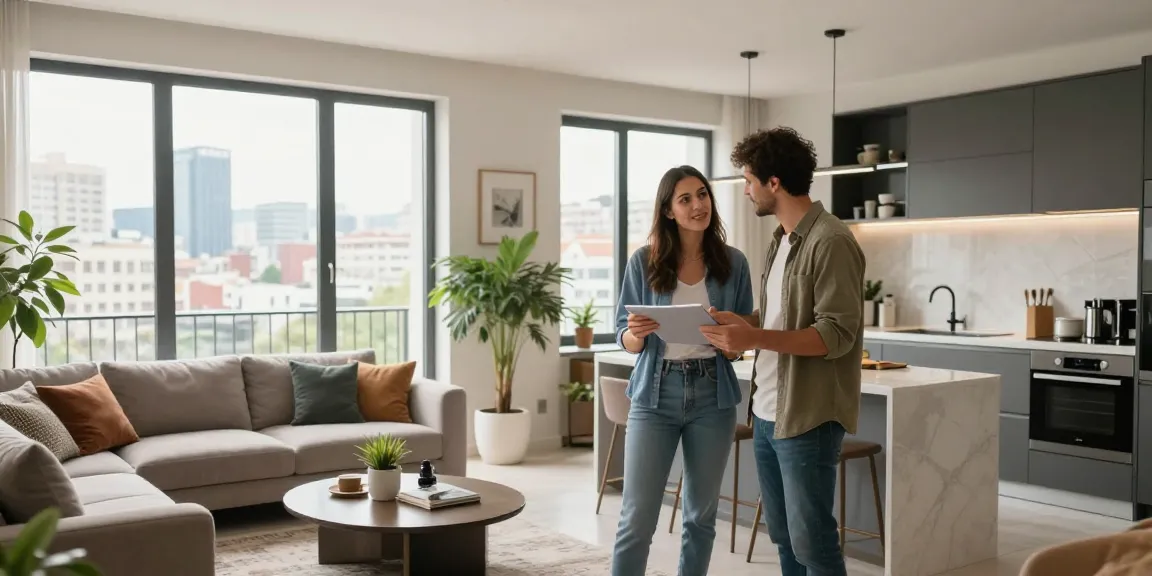
Home renovation refers to the process of improving or updating a home to enhance its functionality, aesthetics, and value. It encompasses a variety of projects, ranging from minor repairs and updates to larger structural changes and expansions. Home renovations can be as simple as painting a room or as complex as adding an entirely new wing to a home. Regardless of the scope, the goal is typically to adapt the dwelling to better meet the needs of its occupants.
Common Reasons for Home Renovation
There are several reasons why homeowners may choose to renovate:
- Increased Property Value: Many undertake renovations to increase the resale value of their home.
- Functional Improvements: Renovations often address issues such as outdated layouts or inefficient use of space.
- Aesthetic Updates: Updating the style and look of a home is a common motivator.
- Energy Efficiency: Many homeowners look to renovation as a means to incorporate more energy-efficient features.
- Personalization: Renovations allow homeowners to tailor their living space to better suit their tastes and preferences.
Benefits of Home Renovation
The benefits of home renovation extend beyond merely increasing property value. Here are several advantages:
- Improved Comfort: Renovations can enhance comfort in the home, making it more enjoyable to live in.
- Enhanced Functionality: Thoughtful renovations can improve the usability of spaces, making them more practical for everyday living.
- Energy Efficiency: Modern renovations often incorporate sustainable energy solutions, which can lead to significant savings on utility bills.
- Personal Satisfaction: There’s a satisfying aspect to personalizing one's living environment, which can enhance overall well-being.
Planning Your Home Renovation Project
Setting a Realistic Budget
A critical first step in any home renovation project is setting a realistic budget. Begin by determining the total amount you’re willing to invest, then break it down into various categories. Consider potential costs such as materials, labor, permits, and contingencies. Always allocate a percentage of your budget as a buffer to accommodate unexpected expenses, which frequently arise during renovations.
Creating a Design Plan
Once a budget is established, the next step is formulating a design plan. This plan should encompass both aesthetic and functional considerations:
- Space Layout: Evaluate the layout of the spaces you wish to renovate. Consider flow, accessibility, and efficiency.
- Materials and Finishes: Decide on materials that align with your budget and desired aesthetic.
- Functionality: Ensure that your design plan meets any specific needs, whether that's maximizing storage or creating multifunctional spaces.
Choosing the Right Professionals
Selecting the right professionals can have a significant impact on the success of your home renovation. Research and consider factors such as:
- Experience: Look for contractors with a proven track record in the specific type of renovation you are undertaking.
- References and Reviews: Seek out past client testimonials and examples of completed work.
- Certification: Ensure any professionals you hire have the necessary licenses and certifications for your area.
Essential Steps Through the Renovation Process
Obtaining Necessary Permits
Before commencing any renovation, it's vital to check local building codes and regulations. Many renovations, particularly those involving structural changes, require permits. The process can vary significantly by location, so consult your local governing body to understand what is required for your specific project. Failing to obtain permits can lead to fines or complications down the line.
Demolition and Structural Changes
Depending on the extent of your renovation, you may need to undertake demolition. This phase can be messy and requires careful planning to avoid damaging key structural elements. If your renovation involves extensive structural changes, hiring a qualified contractor is essential to ensure safety and compliance with building codes.
Finishing Touches: Decor and Furnishing
Once the core renovations are complete, turn your focus to the finishing touches. This involves selecting decor, furniture, and fixtures that align with your design vision. Consider the impact of color schemes, texture, and lighting in creating the overall ambiance of your newly renovated spaces. Investing time into these details can significantly elevate the final result.
Maximizing Value Through Home Renovation
Renovations that Boost Property Value
Not all renovations are created equal when it comes to boosting property value. Focus on renovations that yield the highest returns. Examples include:
- Kitchen Remodels: Upgrading appliances, cabinetry, and countertops can significantly enhance kitchen appeal.
- Bathroom Remodels: Similar to kitchens, modernizing bathrooms often yields a strong return on investment.
- Curb Appeal Enhancements: First impressions count; consider landscaping, painting, and entryway upgrades.
Eco-Friendly Renovation Options
As sustainability grows in importance, many homeowners are integrating eco-friendly options into their renovations. This can include:
- Energy-Efficient Appliances: Opt for Energy Star-rated appliances to reduce energy consumption.
- Recycled Materials: Using reclaimed wood or recycled tiles can add character while minimizing environmental impact.
- Solar Panels: Consider the long-term savings and environmental benefits of incorporating solar technology.
Smart Technology Integrations
Modern home renovations increasingly incorporate smart technology, enhancing convenience and efficiency. Key integrations include:
- Smart Thermostats: Improve energy efficiency by allowing remote management of heating and cooling.
- Security Systems: Incorporate smart security measures like cameras and alarm systems that can be monitored remotely.
- Smart Lighting: Utilize technology to manage lighting, allowing for automated adjustments based on time of day or occupancy.
Common Challenges in Home Renovation
Managing Time and Budget Overruns
One of the most common challenges in home renovation is the risk of time and budget overruns. To mitigate this, establish a clear timeline at the outset and only take on what can realistically be accomplished within your budget. Regularly monitoring progress and expenses can help keep the project on track.
Navigating Design Conflicts
Design conflicts can arise during a home renovation when the visions of different stakeholders diverge. To avoid conflicts, ensure all parties involved—including architects, designers, and homeowners—are on the same page with the design plan before proceeding. Regular check-ins throughout the renovation can also facilitate better communication and alignment.
Ensuring Quality Control
Quality control is essential in home renovation to avoid issues down the line. To maintain quality, hire reputable contractors and regularly inspect the work as it progresses. Adopt a proactive approach by asking for updates and adjustments as needed, which can help catch potential issues before they escalate.
With proper planning, an understanding of the renovation process, and awareness of potential challenges, embarking on a Home renovation can transform your living space into one that not only meets your needs but also expresses your unique style and increases the value of your property.