
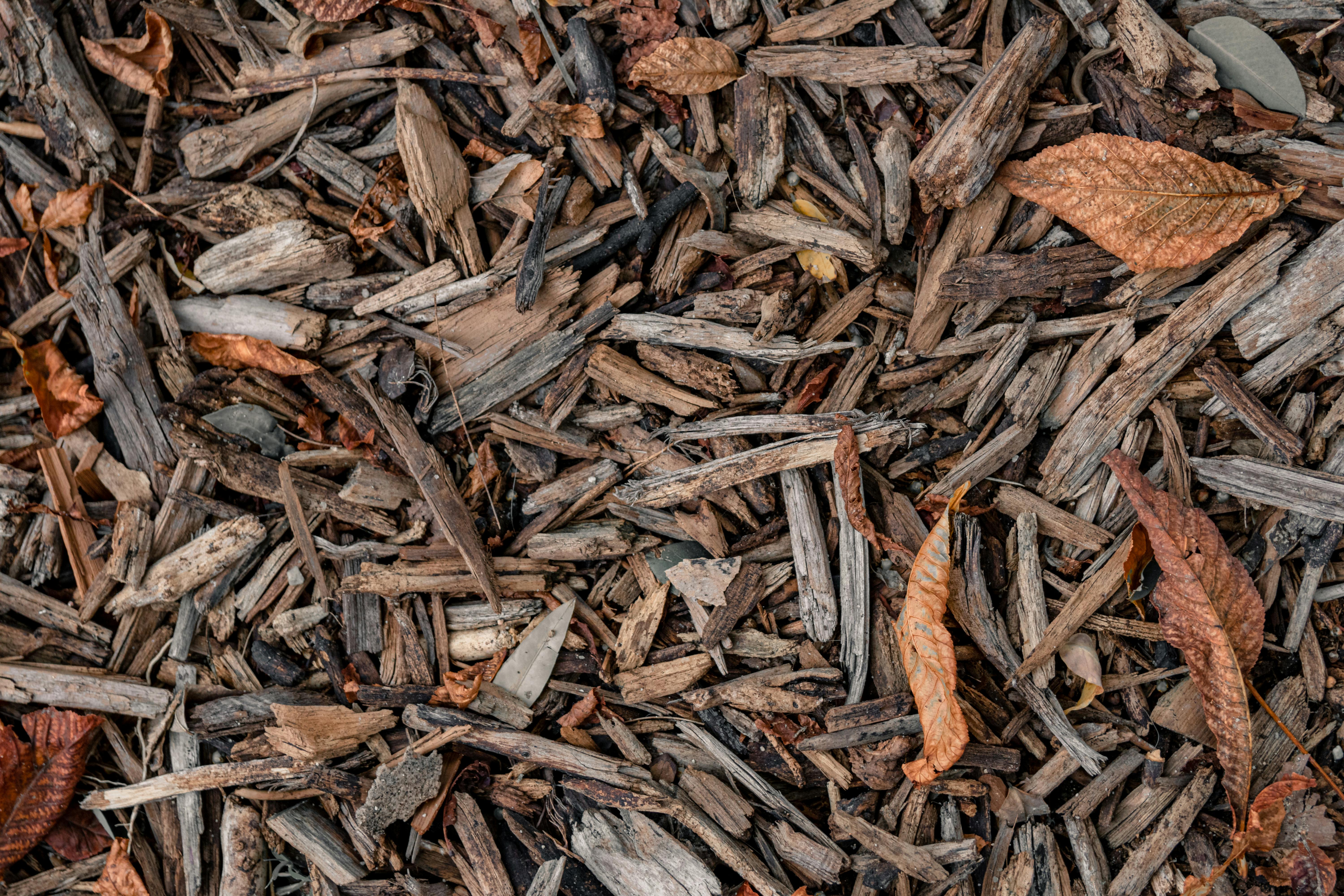
Introduction to Wood Chips and Their Importance
Wood chips are an essential resource in the biomass energy industry, offering a renewable and eco-friendly alternative to fossil fuels. These small pieces of wood, derived from logs, branches, and other wood residues, are widely used for energy production, landscaping, and agricultural purposes. Biomass Wood Pellets provides high-quality Wood Chips designed to deliver efficient energy output while promoting sustainability. Understanding the role of wood chips in modern energy systems is crucial for industries and households looking for reliable and environmentally responsible fuel options.
Advantages of Using Wood Chips for Energy Production
Wood chips provide multiple benefits that make them an attractive choice for energy production. First, they are renewable, sourced from sustainably managed forests and wood processing residues. Second, wood chips produce less carbon dioxide compared to traditional fossil fuels, contributing to a lower environmental impact. Third, they are cost-effective, often cheaper than coal or oil when used in biomass heating systems. Biomass Wood Pellets ensures that each batch of wood chips meets high standards for moisture content, size uniformity, and energy density, maximizing combustion efficiency.
Types of Wood Chips Available
The quality and application of wood chips depend on their type and preparation. There are several categories of wood chips offered by Biomass Wood Pellets:
Standard Wood Chips
Standard wood chips are suitable for general biomass boilers and furnaces. They are easy to store and handle, providing consistent energy output.
Industrial Wood Chips
Industrial wood chips are specifically designed for large-scale energy plants and manufacturing facilities. These chips are processed to uniform sizes to ensure efficient combustion and minimal ash production.
Agricultural Wood Chips
Agricultural wood chips can be used as mulch, soil improvers, and bedding material for livestock. While energy production is a primary use, their versatility extends to farming applications.
Factors Affecting the Efficiency of Wood Chips
Several factors influence how effectively wood chips produce energy. Moisture content is critical; high-moisture wood chips reduce combustion efficiency and increase smoke production. Proper storage and drying techniques ensure that wood chips maintain optimal energy density. The size and uniformity of wood chips also impact how evenly they burn. Biomass Wood Pellets carefully sorts and processes its wood chips to meet these specifications, guaranteeing superior performance in energy production systems.
Sustainable Sourcing and Environmental Benefits
Using sustainably sourced wood chips helps reduce deforestation and promotes responsible forest management. Biomass Wood Pellets prioritizes sourcing from certified suppliers to maintain environmental balance. Burning wood chips releases carbon dioxide absorbed by trees during growth, making it a nearly carbon-neutral energy source. This sustainable approach ensures that energy production does not contribute to long-term environmental degradation, making wood chips an excellent choice for eco-conscious consumers and industries.
Applications of Wood Chips in Energy Production
Wood chips are highly versatile in energy generation. They are commonly used in biomass boilers for heating residential, commercial, and industrial spaces. Power plants also utilize wood chips as a feedstock for combined heat and power (CHP) systems, producing both electricity and thermal energy. Additionally, wood chips can be converted into pellets for easier transport and higher energy efficiency. Biomass Wood Pellets offers both raw wood chips and pelletized products to cater to various energy requirements.
Storage and Handling of Wood Chips
Proper storage of wood chips is essential to maintain their quality and efficiency. Wood chips should be kept in dry, ventilated areas to prevent mold growth and moisture absorption. Handling equipment, such as conveyors and loaders, should be used to avoid contamination and maintain uniform size. Biomass Wood Pellets provides guidance on proper storage techniques to ensure that wood chips remain ready for efficient energy production at all times.
Economic Benefits of Wood Chips
Investing in wood chips for energy production offers long-term economic advantages. Their cost-effectiveness reduces fuel expenses for heating and power generation. Additionally, using locally sourced wood chips supports regional economies and reduces transportation costs. Industries and households that adopt wood chips benefit from stable fuel prices and lower dependence on imported fossil fuels, making it a financially sustainable energy solution.
Choosing High-Quality Wood Chips
Selecting premium wood chips is crucial for achieving efficient energy output. Factors to consider include low moisture content, uniform size, and clean sourcing without contaminants. Biomass Wood Pellets delivers wood chips that meet these high-quality standards, ensuring maximum combustion efficiency, minimal ash, and consistent performance. Choosing the right wood chips enhances both energy efficiency and environmental sustainability.
Conclusion
Wood chips are a versatile, sustainable, and efficient source of renewable energy. From residential heating to industrial power generation, high-quality wood chips play a significant role in reducing reliance on fossil fuels and minimizing environmental impact. Biomass Wood Pellets provides premium wood chips designed for superior performance, consistent energy output, and long-term sustainability. Investing in wood chips not only promotes efficient energy production but also supports eco-friendly practices, making it a smart choice for anyone seeking reliable and renewable fuel options.