Understanding Metal Polishing: An Overview
Metal polishing is a critical process in manufacturing that not only enhances the aesthetic appeal of metal surfaces but also improves their functionality. In Malaysia, where various industries are booming, the demand for high-quality metal polishing services is on the rise. From automotive to aerospace, and even consumer goods, many businesses seek expert services to achieve the desired finish for their products. When exploring options, metal polishing malaysia provides comprehensive insights into the capabilities and standards of local providers.
What is Metal Polishing Malaysia?
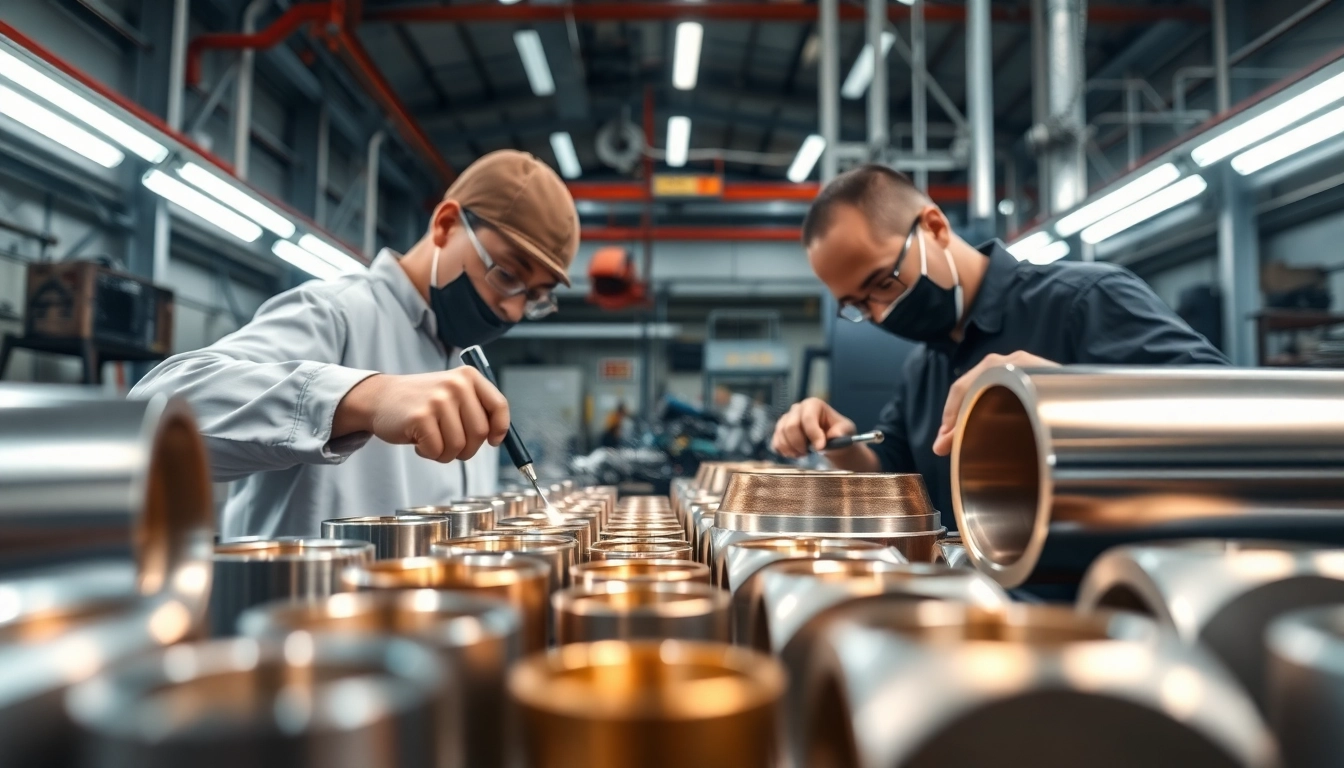
Metal polishing in Malaysia refers to a series of processes aimed at refining and enhancing the surface finish of various metal types. This can involve mechanical, chemical, or electrochemical methods to remove imperfections, scratches, and oxidation, thereby giving the metal surfaces a lustrous shine. The services can vary from basic polishing to complex and specialized treatments, depending on industry requirements and the intended use of the finished product.
Benefits of Metal Polishing in Manufacturing
Metal polishing serves several essential functions in manufacturing:
- Aesthetic Appeal: Polished metals are visually striking, making products more marketable.
- Corrosion Resistance: Polishing creates a smooth surface that is less prone to corrosion and rust.
- Durability: Enhanced surfaces often result in higher wear resistance, extending the lifespan of products.
- Improved Functionality: Smooth surfaces can reduce friction, making components perform better, particularly in mechanical applications.
Common Metals and Techniques Used in Polishing
In Malaysia, a variety of metals are polished, including:
- Stainless Steel: Often polished to give it a reflective quality, commonly used in kitchen appliances and automotive parts.
- Aluminum: Lightweight and corrosion-resistant, polished aluminum is used in aircraft and automotive applications.
- Copper: Known for its excellent conductivity, copper polishing is crucial for electrical components.
- Brass: Often polished for aesthetic purposes, particularly in decorative items.
Common polishing techniques include mechanical polishing, chemical polishing, and electro-polishing, each serving specific purposes based on the desired finish and metal properties.
Choosing the Right Metal Polishing Service
Selecting a metal polishing service in Malaysia involves evaluating various factors to ensure quality and reliability. The right partner can significantly influence the final product's quality and marketability.
Factors to Consider When Selecting a Provider
When choosing a metal polishing service, consider the following:
- Experience: Look for companies that have a proven track record and extensive experience in the industry.
- Equipment: Ensure the service provider uses advanced, well-maintained equipment that can handle different metal types and polishing techniques.
- Quality Standards: Check if they comply with international quality standards, which indicates their commitment to excellence.
- Customer Service: A responsive and knowledgeable customer service team is vital for addressing any issues or concerns you may have.
Evaluating Quality Standards in Metal Polishing
The quality of metal polishing services can be measured through several parameters:
- Surface Finish: Evaluate the smoothness and reflective quality of the polished metal.
- Durability: Scrutiny of how well the polished surface withstands wear and environmental factors.
- Consistency: Uniformity in the polishing process across different batches must be maintained to meet quality expectations.
Comparing Costs for Metal Polishing Services
Understanding the pricing structure for metal polishing can help businesses budget effectively. Costs often depend on:
- Type of Metal: Different metals have varying costs associated with polishing.
- Complexity of Work: More intricate designs or finishes take more time and resources, impacting pricing.
- Volume: Bulk orders often receive discounts, making it cheaper per unit.
Innovative Techniques in Metal Polishing
The metal polishing industry is evolving, with new technologies enhancing efficiency and quality. Staying updated with these innovations is crucial for manufacturers aiming to maintain a competitive edge.
Advanced Machinery and Their Applications
Modern polishing techniques utilize advanced machinery, such as robotic arms and CNC machines, to ensure precision and consistency. These technologies reduce human error and significantly increase production speed.
Eco-Friendly Polishing Solutions
As sustainability becomes a priority, many polishing companies in Malaysia are adopting eco-friendly solutions. This includes using water-based polishing compounds that are less harmful to the environment and ensuring that waste products are disposed of responsibly.
Future Trends in Metal Polishing Technologies
The future of metal polishing is set to be influenced by artificial intelligence and automation. Predictive maintenance and real-time monitoring can lead to more efficient processes and reduced downtime, making manufacturers more agile and competitive.
Challenges in Metal Polishing Services
While metal polishing is an essential service, it is not without its challenges. Being aware of these issues can aid in better management and quality control.
Common Issues Faced by Metal Finishers
Metal finishers often encounter problems such as:
- Inconsistent Results: Variations in equipment settings or operator techniques can lead to uneven finishes.
- Surface Defects: Scratches or blemishes may arise if materials are not handled correctly before and during polishing.
- Material Loss: Over-polishing can result in significant material removal, which may compromise the integrity of the product.
Addressing Quality Control Challenges
Quality control is essential in polishing to meet industry standards. Implementing rigorous testing and inspection procedures can mitigate issues, ensuring that all products that leave the facility meet the required specifications.
How to Avoid Misconceptions in Metal Polishing
Many misconceptions surround metal polishing, such as equating it solely with aesthetics. It’s important to clarify that polishing also enhances performance and longevity, particularly in industrial applications.
Case Studies and Success Stories
Real-world examples can provide valuable insight into the effectiveness of various polishing techniques and services in Malaysia.
Successful Metal Polishing Projects in Malaysia
Several Malaysian companies have successfully integrated advanced polishing processes into their operations, leading to improved product quality and customer satisfaction. Examples include automotive manufacturers that have streamlined their finishing processes, resulting in higher production rates and lower material waste.
Learns from Industry Leaders
Leading firms in the metal polishing industry share valuable lessons on maintaining quality standards, embracing innovation, and focusing on customer service to drive success.
Performance Metrics: Measuring Success in Polishing
Quantifying the success of metal polishing projects can be achieved through various performance metrics, including:
- Customer Satisfaction: Surveys and feedback can gauge how well the products meet client expectations.
- Defect Rates: Monitoring the incidence of defects in polished products helps identify areas for improvement.
- Turnaround Time: Evaluating the time taken to complete polishing jobs can indicate efficiency.