Understanding the Natick Next Generation Remodel Concept
1.1 Definition and Importance
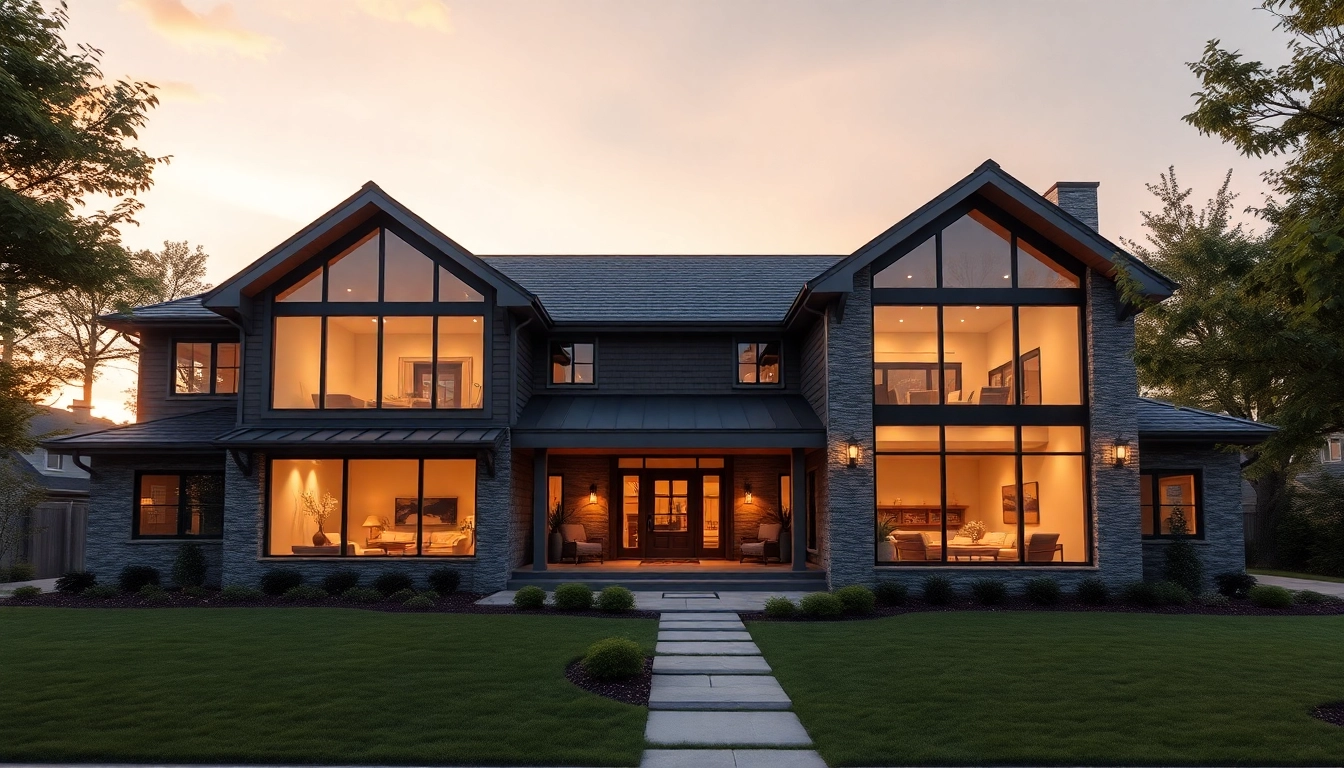
The Natick Next Generation Remodel represents a forward-thinking approach to home renovations, merging modern aesthetics with utility and sustainability. This concept emphasizes creating living spaces that not only reflect contemporary design trends but also cater to the evolving needs of homeowners. As lifestyles change, the demand for adaptable, efficient spaces has intensified, making next-generation remodels increasingly vital to enhancing both quality of life and property value.
1.2 Key Features of Next Generation Remodels
Next Generation Remodels are characterized by several key features aimed at maximizing efficiency and comfort:
- Open Layouts: Fostering connectivity and flexibility among spaces.
- Sustainable Materials: Utilizing eco-friendly building materials that reduce environmental impact.
- Smart Technology: Integrating smart home devices for enhanced comfort and efficiency.
- Energy Efficiency: Incorporating energy-efficient systems and insulation to lower utility costs.
- Flexibility: Creating spaces that can adapt to various needs over time.
1.3 Innovative Design Principles
Innovative design principles serve as the foundation for successful remodels:
- User-Centric Design: Focusing on the specific needs and preferences of occupants.
- Biophilic Design: Incorporating natural elements to improve well-being and connection to the environment.
- Modular Solutions: Using modular designs that allow for easy expansion and reconfiguration.
- Timeless Aesthetics: Creating designs that remain relevant and appealing over time, reducing the need for future renovations.
Planning Your Natick Next Generation Remodel
2.1 Setting Clear Objectives
Planning a remodel begins with setting clear objectives. What do you want to achieve with your Natick Next Generation Remodel? Identifying specific goals—whether they involve increasing space, improving energy efficiency, or enhancing aesthetic appeal—will guide all other decisions. Consider the future alongside present needs; adaptability is key.
2.2 Budgeting for Success
Establishing a realistic budget is crucial for any remodeling project. Start by evaluating costs related to labor, materials, and unexpected contingencies. Include a buffer (typically 10-20% of the total budget) for unforeseen expenses. Consulting with professionals who specialize in remodeling can further refine your budget and ensure comprehensive financial planning.
2.3 Choosing the Right Professionals
Selecting the right team is vital for the success of your remodeling project. Look for architects, contractors, and interior designers with experience in next-generation remodels. Their expertise will not only prevent common pitfalls but also bring innovative solutions to the table. Ensure that they align with your vision and have a reputable portfolio of past projects.
Design Elements of the Natick Next Generation Remodel
3.1 Modern Materials and Finishes
Modern remodels often prioritize materials that offer durability and aesthetic appeal. Options like reclaimed wood, sustainable concrete, and low-VOC paints contribute to a healthier environment while emphasizing design. Additional choices such as bamboo flooring or recycled glass backsplashes enhance the eco-friendly aspects of your remodel, providing beauty and sustainability in tandem.
3.2 Layout Considerations for Functionality
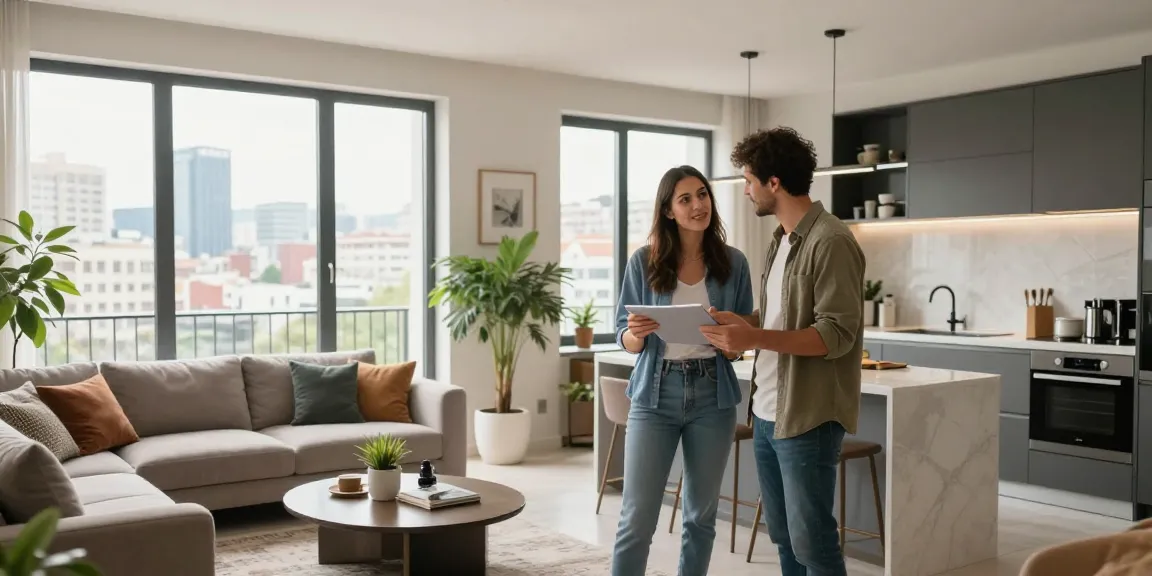
An essential aspect of the Natick Next Generation Remodel is to create spaces that enhance functionality. This often involves open layouts, which promote better flow and utility. Moreover, strategically placing elements like kitchen islands or multi-functional furniture can maximize available space and encourage social interaction within the home.
3.3 Integrating Sustainable Practices
Sustainable practices are more than a trend; they represent necessary steps toward responsible living. Incorporating energy-efficient appliances, solar panels, and high-quality insulation can significantly reduce a home's carbon footprint. It's imperative to consider water conservation features, like drought-resistant landscaping and low-flow fixtures, as you plan your remodel.
Execution: Making the Natick Next Generation Remodel a Reality
4.1 Timeline and Project Phases
Implementing your Natick Next Generation Remodel requires a clear timeline broken down into phases. Start with planning and design, which may last several weeks and involve multiple revisions. Once everything is approved, construction can begin, spanning anywhere from a few weeks to several months, depending on project complexity. It's essential to remain flexible and adjust your timeline based on project advancements.
4.2 Overcoming Unexpected Challenges
Every remodeling project comes with its fair share of challenges. From unexpected structural issues to changes in material availability, adaptability is key. Proactive communication with your team can mitigate many issues before they escalate. Establishing a contingency plan that outlines alternative strategies will also help maintain progress despite potential setbacks.
4.3 Tips for Smooth Implementation
To ensure a seamless remodel, maintain clear and open lines of communication with your team. Regular check-ins can help provide updates and address concerns promptly. Additionally, having a clear vision and set objectives will facilitate decision-making throughout the project. Consider documenting the process through photos and notes, which can serve as valuable references for future projects.
Evaluating Success: After the Natick Next Generation Remodel
5.1 Post-Remodel Inspection
Upon completion of the Natick Next Generation Remodel, conducting a comprehensive post-remodel inspection is essential. This involves assessing all completed work, checking for aesthetic consistency, and ensuring everything meets safety codes. Take the time to review all systems, from plumbing to electrical, guaranteeing optimal functionality before officially using the space.
5.2 Gathering Feedback from Occupants
Once the remodel is in use, gathering feedback from occupants provides critical insights into the effectiveness of the design. Consider conducting a survey or inviting informal discussions to understand their experience. Feedback will guide any necessary adjustments and improve satisfaction with the space overall.
5.3 Measuring Energy Efficiency and Functionality
Evaluating the energy efficiency of your remodel can reveal its success in reducing utility costs and environmental impact. Utilize energy monitoring systems to track usage over time and identify potential areas for improvement. Regular assessments will ensure that the space remains functional and energy-efficient for years to come.
Frequently Asked Questions
6.1 What is a Natick Next Generation Remodel?
A Natick Next Generation Remodel refers to innovative home renovations that integrate modern design trends with sustainable practices.
6.2 How do I set a budget for my remodel?
Start by estimating costs for labor and materials, considering unexpected expenses. Consulting with professionals can help refine your budget.
6.3 What materials are best for modern remodels?
Modern remodels often utilize energy-efficient materials like reclaimed wood, sustainable concrete, and low-VOC paints for healthier living spaces.
6.4 How long does a typical remodel take?
While timelines vary based on project size and complexity, most residential remodels can take anywhere from a few weeks to several months.
6.5 How can I ensure my remodel is energy-efficient?
Selecting energy-efficient appliances, high-quality insulation, and utilizing smart home technology can greatly enhance your home's efficiency.