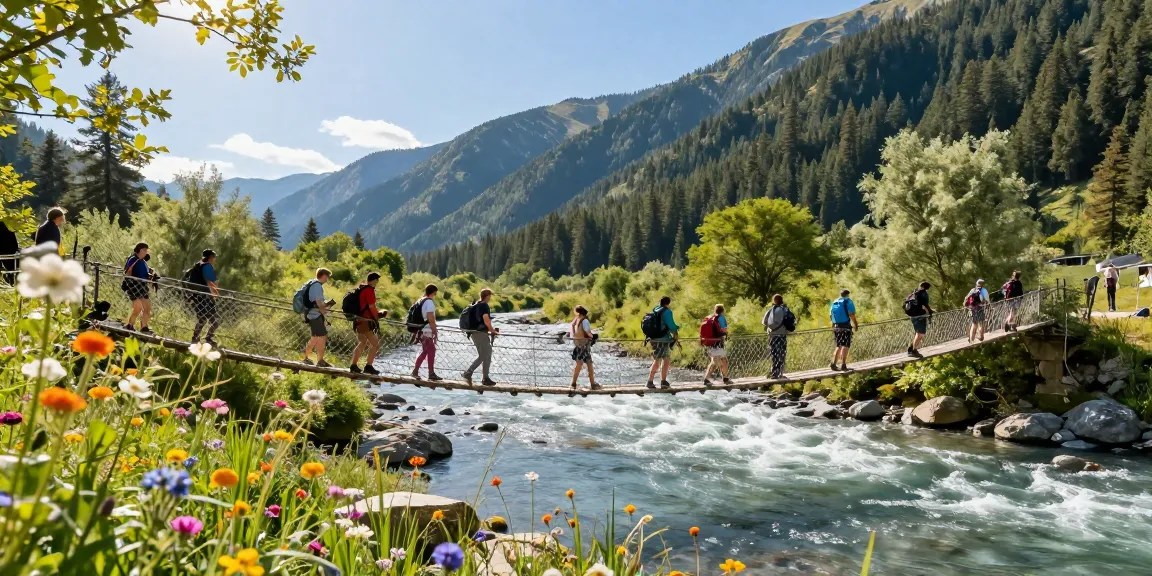
Introduction to River Rope Bridges
Rope bridges have long captivated adventurers and engineers alike, serving as practical solutions for crossing rivers and ravines while also offering breathtaking views. The allure of the River Rope Bridge lies not only in its functionality but also in the unique experiences it creates for those who traverse them. In recent years, these bridges have gained popularity, making their way into various outdoor activities, including hiking, camping, and extreme sports. Understanding the history, benefits, and safety measures associated with river rope bridges can enhance any outdoor enthusiast's adventure.
What is a River Rope Bridge?
A river rope bridge, typically constructed using sturdy ropes, wood, or synthetic materials, serves as a suspension bridge that connects two points across a river or gorge. These bridges are often used in remote areas where traditional bridge construction is impractical. Their design prioritises flexibility and strength, allowing them to withstand the natural forces of wind and water, making them ideal for challenging terrains.
History and Evolution of Rope Bridges
The history of rope bridges can be traced back to ancient civilizations, where they were built primarily for practical use in mountainous or rugged landscapes. Indigenous peoples across the world have developed various types of rope bridges, many of which rely on natural fibres and local materials. For instance, the Inca Empire is famous for its Incan suspension bridges, woven from grass and designed to endure the harsh Andean environment. Over time, the evolution of materials and engineering techniques has led to modern rope bridges made from synthetics, offering improved durability and safety.
Benefits of Using River Rope Bridges
- Accessibility: Rope bridges provide access to remote areas, allowing adventurers to explore otherwise unreachable spots.
- Cost-Effectiveness: Constructing a rope bridge is often less expensive than building a traditional bridge, especially in rugged terrains.
- Minimal Environmental Impact: These bridges have a smaller footprint, reducing disruption to local ecosystems compared to larger structures.
- Physical Challenge: Crossing a river rope bridge can be an exhilarating challenge, adding an element of adventure to outdoor activities.
Planning Your River Rope Bridge Adventure
Choosing the Right Location for Your Crossing
When selecting a location for a river rope bridge, consider factors such as water flow, bank stability, and environmental impact. Opting for a site where the river is narrow and the banks are firm will enhance safety. Additionally, ensure that the area is free of obstructions that may pose hazards during crossing.
Essential Gear for Crossing River Rope Bridges
- Harness: A secure harness is critical for safety, ensuring that you are securely attached to the rope.
- Carabiners: Heavy-duty carabiners allow for quick connections and are essential for securing yourself to the bridge.
- Gloves: Protect your hands while using the ropes, providing grip and comfort during your crossing.
- Helmet: Always wear a helmet to protect against potential falls or overhead hazards.
Safety Tips and Best Practices
When crossing a river rope bridge, safety should be your top priority. Always cross one person at a time to prevent overloading the bridge. Make sure to harness correctly and double-check all connections before starting your journey. Additionally, assess the weather conditions, as heavy rain can alter water levels and increase current strength.
Building Your Own River Rope Bridge
Materials Required for Construction
Building a river rope bridge requires several materials, including strong ropes, sturdy wooden beams or planks, and anchoring systems such as ground stakes or large boulders. Selecting high-quality materials is crucial for ensuring the stability and longevity of the bridge.
Step-by-Step Guide to Building a Safe Bridge
- Site Assessment: Choose a location that meets the criteria for safety and accessibility.
- Gather Materials: Assemble the necessary materials, with an emphasis on strength and durability.
- Anchor Points: Securely position your anchor points on both sides of the river.
- Bridge Construction: Use the ropes to create a support structure and place the wooden beams across, ensuring stability.
- Testing: Before use, conduct a thorough test to ensure the bridge can support weight safely.
Maintenance Tips for Longevity
Regular maintenance is key to the longevity of any river rope bridge. Inspect the bridge for signs of wear and tear, including frayed ropes or loose connections. It is advisable to replace any damaged components immediately and to clean the bridge periodically to prevent corrosion and deterioration of materials.
Exploring Famous River Rope Bridges
Top 5 Iconic River Rope Bridges Around the World
- Carrick-a-Rede Rope Bridge: Located in Northern Ireland, this stunning bridge offers incredible coastal views and has a rich history dating back to fishermen's practices.
- Q'eswachaka Bridge: A UNESCO World Heritage site in Peru, this bridge is made of grass and connects two cliffs over the Apurímac River, demonstrating ancient Incan engineering.
- Ghasa Bridge: Found in Nepal, this bridge is a vital lifeline for local communities, helping farmers transport goods while providing breathtaking views of the Himalayas.
- Tiwanaku Rope Bridge: This Bolivian bridge connects communities across Lake Titicaca, showcasing traditional craftsmanship while serving as a crucial transport route.
- Hanging Bridges of Sapa: These bridges in Vietnam offer a mix of stunning scenery and cultural experiences, connecting various trekking routes across challenging terrains.
Unique Features of Each Bridge
Each of these iconic bridges offers unique features, from cultural significance to engineering marvels. Carrick-a-Rede is renowned for its sheer drop and breathtaking vistas, while the Q'eswachaka Bridge exemplifies ancient techniques and community spirit through its annual restoration festival. Similarly, the Ghasa Bridge not only serves a practical purpose but also attracts tourists eager to experience its beauty.
Travel Tips for Visiting These Locations
When visiting these famous river rope bridges, plan your trip during the dry season to avoid extreme weather conditions. Ensure you have comfortable hiking gear and always check local guidelines regarding crossing rules or seasonal closures. Additionally, consider guided tours that can offer insights into the history and cultural importance of the bridges.
Future Trends in Rope Bridge Design and Usage
Innovations in Materials and Safety Measures
As technology advances, so too does the construction of river rope bridges. Innovations in materials, such as high-strength synthetic ropes and lightweight composites, are set to enhance the durability and safety of these structures. Safety measures will likely incorporate smart technology, monitoring the integrity of the bridge in real-time to ensure user safety.
Environmental Impact of Rope Bridges
With a growing emphasis on sustainability, future designs of rope bridges are expected to consider environmental impacts more seriously. Minimising disruption to local ecosystems and using sustainable materials will become crucial as awareness of environmental issues grows. Additionally, eco-friendly practices during construction and maintenance will be paramount.
Predictions for Rope Bridge Usage in 2026 and Beyond
By 2026, the usage of river rope bridges is anticipated to expand as recreational activities continue to rise globally. As more people seek adventure and connection with nature, the construction of new bridges, along with the restoration of old ones, will facilitate outdoor exploration while preserving cultural heritage. Furthermore, urban areas may see a rise in pedestrian-friendly rope bridges as cities adapt to create more green spaces.
What are those rope bridges called?
Rope bridges are often referred to as suspension bridges or simply rope suspensions. The name varies by region and the materials used for construction, but they all serve the same fundamental purpose of allowing passage across gaps.
How much does a rope bridge cost?
The cost of constructing a rope bridge can vary significantly depending on size, materials used, and location. A small, basic rope bridge may cost around £1,000, while larger, more complex structures can reach up to £10,000 or more, factoring in design and installation.
Where is the rope bridge located?
Rope bridges can be found worldwide, often in rural or mountainous regions. They are particularly common in places like Peru, where the Incan suspension bridges connect remote villages across canyons and rivers.
How to cross a river with a rope?
To cross a river safely using a rope, start with a trained individual who can secure the rope across the river. Once anchored, participants should cross one by one while maintaining a stable grip on the rope for support, ensuring safety in strong currents.
What are the best materials for a river rope bridge?
The best materials for constructing a river rope bridge include high-tensile synthetic ropes, treated wood, or metal components for durability and resistance to weathering. Choosing materials that offer both strength and longevity is critical for safety and performance.