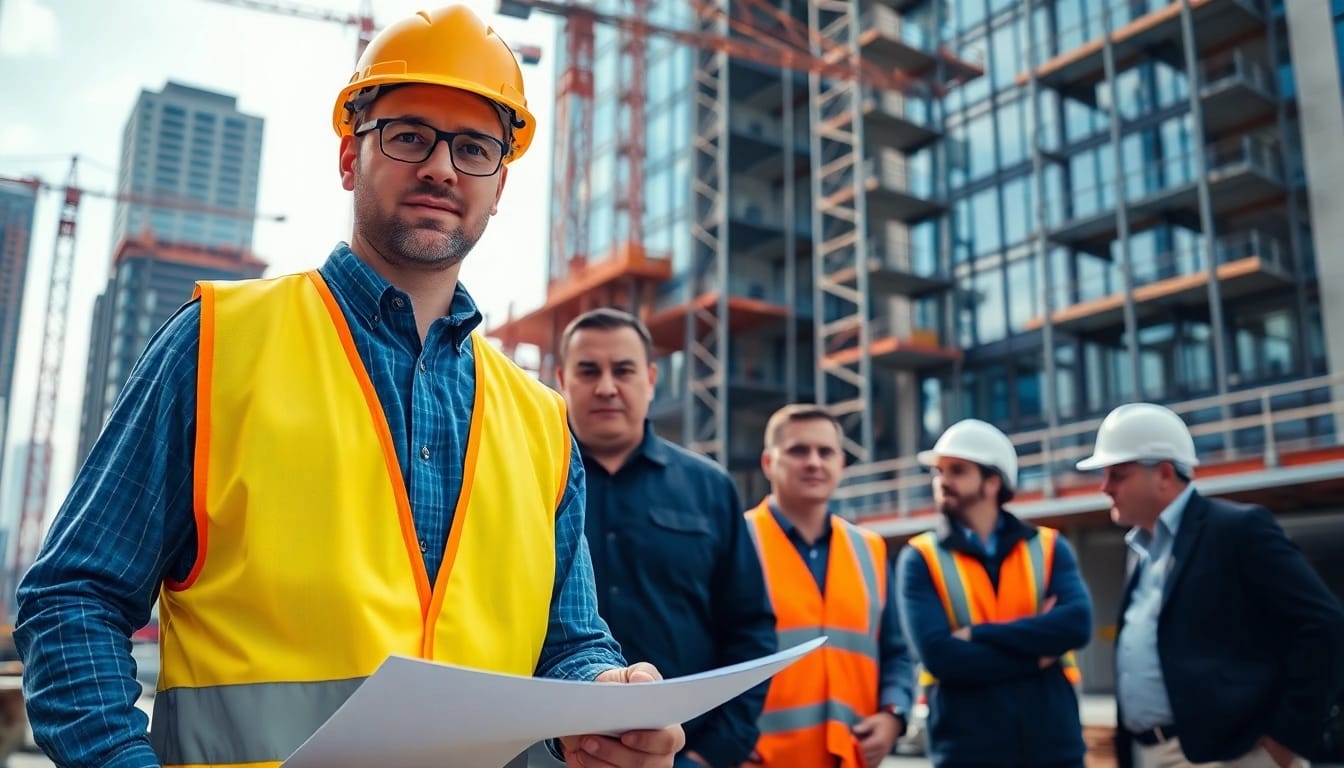
Understanding the Role of a Commercial Building Developer
Definition of a Commercial Building Developer
A commercial building developer is a professional responsible for overseeing the development of commercial real estate properties, including office buildings, retail centers, and industrial parks. This role entails the management of projects from inception to completion, ensuring that every aspect aligns with market demands and regulatory requirements. Developers are crucial in transforming vacant land or older structures into vibrant business hubs that contribute to community growth.
Core Responsibilities and Skills
Commercial building developers wear many hats and are integral to the real estate development process. Their core responsibilities include:
- Site Selection: Identifying and acquiring properties suitable for development based on market research and financial viability.
- Planning and Design: Collaborating with architects and engineers to create building designs that meet functional, aesthetic, and regulatory standards.
- Financing: Securing funding through loans or investors and ensuring financial management throughout the project lifecycle.
- Project Management: Overseeing construction processes, coordinating with contractors, and monitoring progress to meet deadlines and budgets.
- Marketing and Leasing: Developing strategies for marketing the property and securing tenants or buyers once completed.
Developers require a diverse skill set that includes project management, financial acumen, negotiation skills, and an understanding of local real estate markets and regulations.
Market Trends in Commercial Development
The field of commercial development is influenced by various market trends. Some significant trends include the shift toward sustainable designs, increasing demand for mixed-use developments, and the impact of remote work on office space utilization. Additionally, urbanization continues to drive demand in metropolitan areas, prompting developers to focus on creating accessible and community-oriented spaces.
Key Steps in the Commercial Development Process
Site Selection and Acquisition
The first step in any commercial development project is site selection and acquisition. Developers must identify locations that offer growth potential, influenced by factors such as demographic trends, accessibility, and zoning regulations. Analyzing local market conditions and property availability is essential in this phase to ensure a successful investment.
Once a suitable site is found, securing it involves negotiation with landowners and navigating complex legal frameworks around property acquisition. Buyers need to conduct thorough due diligence to assess environmental issues, title conditions, and local development regulations.
Financing Your Commercial Build Project
Financing is a decisive stage in the development process. Developers often rely on a combination of equity and debt financing to fund projects. They may seek loans from banks, investment partnerships, or private equity firms. Providing detailed feasibility studies and financial projections is vital for securing funding.
Understanding the various financing options—such as traditional mortgages, construction loans, and crowdfunding—can enable developers to choose the best fit for their project's scale and purpose. Careful financial planning can mitigate risks and optimize returns upon completion.
Design and Planning Considerations
Effective design and planning are crucial for meeting project objectives. This involves collaboration with architects, engineers, and urban planners to create an efficient design that meets regulatory parameters while appealing to prospective tenants and buyers.
Key considerations during this phase include:
- Building Codes: Understanding local codes and regulations ensures that the development complies with safety and accessibility standards.
- Environmental Concerns: Assessing the environmental impact of the project, including sustainability considerations and green building practices.
- Community Integration: Designing developments that fit harmoniously within the surrounding environment can enhance community acceptance and support.
Best Practices for Effective Management
Project Management Techniques
Implementing effective project management techniques is essential for successful commercial building development. Utilizing software tools for project tracking can help developers maintain timelines and budgets while enhancing communication among team members.
Regular progress meetings and updates are vital to identify potential obstacles early, allowing for timely solutions. Establishing clear roles and responsibilities within the team can help streamline workflow and drive project success.
Building Sustainable Practices
In the modern commercial building landscape, sustainability is a driving force in development strategies. Employing green building practices not only contributes positively to the environment but can also lead to long-term cost savings. Developers can consider:
- Using renewable energy sources and energy-efficient fixtures.
- Implementing water conservation measures and sustainable landscaping.
- Choosing sustainable building materials that minimize environmental impact.
Sustainable developments have shown increased market interest, attracting tenants and investors who prioritize environmental responsibility.
Team Collaboration Strategies
Successful commercial building projects depend heavily on collaboration among various stakeholders, including architects, engineers, contractors, and local authorities. Developing a culture of open communication and shared goals helps ensure everyone is aligned and working toward the same objectives.
Strategies for enhancing collaboration may include incorporating collaborative software tools, establishing regular meetings for updates and feedback, and promoting an inclusive environment where all team members can share ideas and concerns.
Challenges Faced by Commercial Building Developers
Navigating Economic Fluctuations
The commercial real estate market is sensitive to economic fluctuations, affecting demand, financing, and overall project viability. Developers must be prepared to adapt to changing market conditions, including shifts in interest rates, construction costs, and buyer preferences. Conducting thorough market analyses can help anticipate economic trends and inform strategic decisions.
Regulatory Compliance and Permitting Issues
Regulatory compliance is a complex aspect of commercial development. Navigating zoning laws, environmental regulations, and building codes can be daunting. Developers need to work closely with legal advisors and local governments to ensure that all necessary permits are obtained in a timely manner, preventing costly delays or modifications.
Addressing Environmental Concerns
Environmental considerations are increasingly significant in commercial building development. Developers face pressure to minimize their projects' ecological footprint and ensure compliance with environmental standards. Engaging environmental consultants during the planning phase can address potential issues and implement mitigation strategies.
Future Outlook for Commercial Building Developers
Impact of Technology on Development
Technology is reshaping the landscape of commercial building development. Advanced tools like Building Information Modeling (BIM) and virtual reality (VR) allow developers to create detailed project visualizations and streamline planning processes. Moreover, smart building technologies, such as IoT devices, are enhancing building efficiency and tenant experience.
Adapting to Changing Market Demands
As demographic and economic trends evolve, so too must development strategies. Remaining attuned to market demands—such as flexible workspaces, updated residential configurations, and eco-friendly building solutions—is essential for meeting tenant needs and ensuring high occupancy rates. Continuous market research will be crucial in adapting to these changing demands.
Opportunities for Growth and Innovation
The commercial real estate sector offers significant opportunities for growth and innovation. Concepts like co-working spaces are gaining popularity, providing developers with new revenue streams in changing work landscapes. Exploring mixed-use developments that incorporate commercial, residential, and public elements can enhance community engagement and project appeal.
Frequently Asked Questions
What does a commercial developer do?
A commercial developer manages the entire process of developing commercial properties, from site selection and design to financing and leasing. They ensure projects are completed on time and within budget.
What skills are essential for commercial building developers?
Key skills include project management, financial analysis, negotiation, communication, and a deep understanding of real estate regulations and market trends. A combination of technical knowledge and interpersonal abilities is crucial.
How can developers stay competitive in the market?
Staying competitive involves continuous learning about market trends, leveraging technology for efficiency, adopting sustainable practices, and maintaining strong relationships with stakeholders to adapt to changing demands.
What are common challenges faced by commercial developers?
Challenges include navigating economic fluctuations, ensuring regulatory compliance, managing construction risks, and addressing environmental concerns. Effective planning and risk management strategies can help mitigate these issues.
Is there a demand for commercial real estate development?
Yes, demand for commercial real estate remains strong, especially in growing urban areas where there is an increasing need for space that accommodates businesses and services. Adaptation to market trends is key for success.