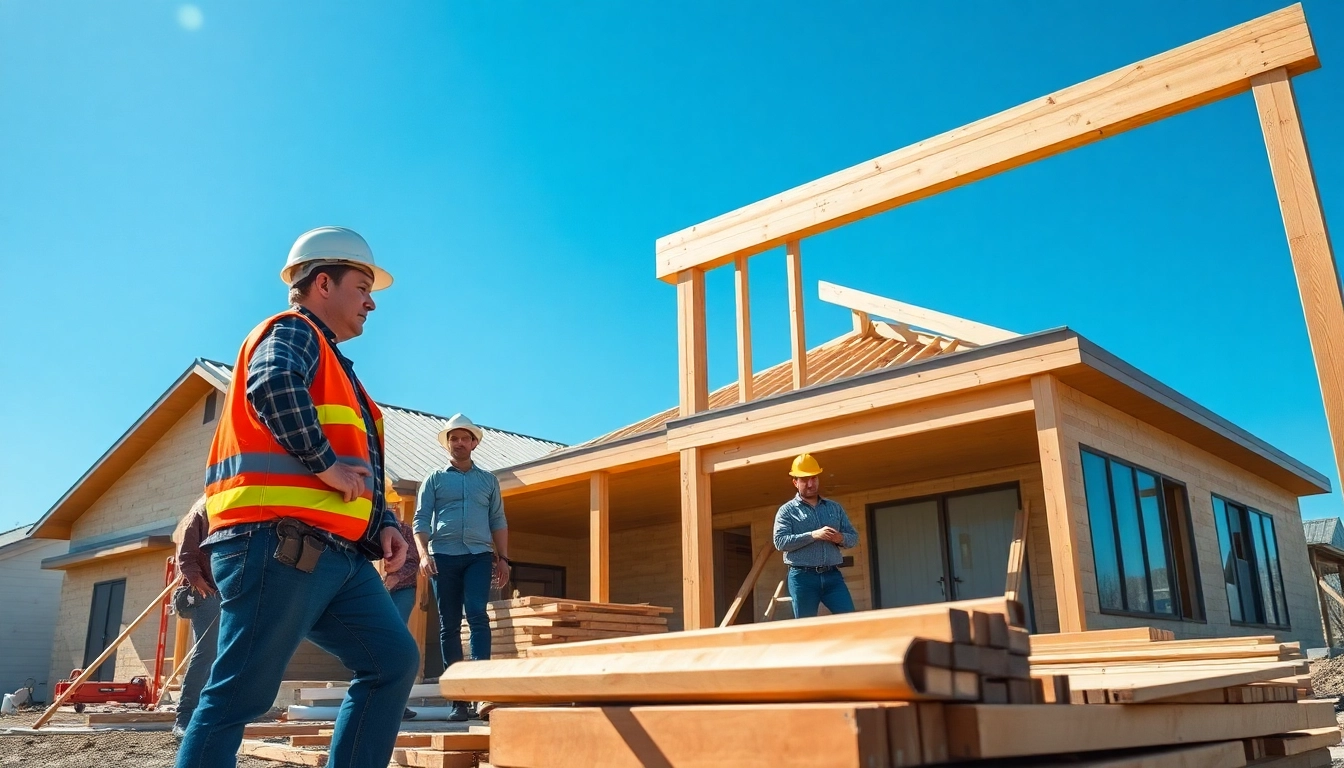
When it comes to construction projects in New Jersey, understanding the role of a New Jersey General Contractor is crucial for homeowners and business owners alike. They serve as the backbone of any construction endeavor, overseeing the entire process from planning to completion. This article delves into the multifaceted responsibilities of general contractors, the legal requirements to operate in New Jersey, how to find the best contractor, analyzing costs and fees, and provides answers to common questions related to hiring general contractors.
Understanding the Role of a New Jersey General Contractor
What Does a General Contractor Do?
A general contractor (GC) in New Jersey coordinates and manages construction projects, ensuring adherence to plans, schedules, and budgets. They take full responsibility for the day-to-day operations, providing a vital link between the client, subcontractors, and suppliers. Services span from residential renovations to large-scale commercial builds.
Key Responsibilities of General Contractors
General contractors carry significant responsibilities, including:
- Project Management: GCs oversee the project from start to finish, coordinating various teams and ensuring timelines are met.
- Budgeting: They estimate costs, manage expenses, and ensure the project remains within financial limits.
- Supervision: Ensuring that subcontractors adhere to safety protocols and quality standards falls within the GC's purview.
- Permitting and Compliance: GCs handle all necessary permits and ensure that the project complies with local regulations.
- Problem Solving: Whether it’s sourcing materials or resolving construction delays, GCs must address issues swiftly to keep projects on track.
Why Hire a General Contractor in New Jersey?
Homeowners and businesses often hire GCs because they simplify the construction process. By hiring a professional, clients can avoid the stress of managing logistics themselves. Additionally, general contractors possess intimate knowledge of local building codes and permit processes, which can prevent costly legal complications. Furthermore, GCs ensure that subcontractors are qualified, providing peace of mind about the quality of work being performed.
Licensing Requirements for New Jersey General Contractors
Understanding General Contractor Licenses in New Jersey
In New Jersey, general contractors are classified as "home repair contractors." While the state does not mandate a general contractor license for many construction jobs, specific tasks (like plumbing, electrical work, and HVAC installation) require licensed professionals. It is essential to work with contractors who meet all necessary legal requirements to operate within the state.
How to Verify a Contractor’s License
To verify a general contractor’s license, you can consult the New Jersey Department of Banking and Insurance website. The site provides access to a database of licensed contractors, including their qualifications and any complaints lodged against them. Conducting this verification helps ensure accountability and professionalism in your project.
Common Licensing Challenges
One potential obstacle in hiring general contractors is navigating licensing issues. Some contractors may misrepresent their qualifications or lack the necessary licenses. It is crucial to ask for proof of licensing and insurance before any work commences. Additionally, ensure that these documents are current, as expired licenses can lead to legal implications for both the contractor and the homeowner.
Finding the Best New Jersey General Contractor
Top Qualities to Look For
When searching for a general contractor, consider the following qualities:
- Experience: Seek contractors with a strong track record in handling projects similar to yours.
- Reputation: Read reviews and ask for references to gauge satisfaction levels from previous clients.
- Communication Skills: Good contractors maintain open lines of communication to keep clients informed.
- Problem Solving Abilities: The ability to adapt plans as challenges arise is crucial.
- Attention to Detail: Meticulous GCs ensure that every element of the project meets the desired specifications.
Where to Search for General Contractors
Finding qualified general contractors can be accomplished through several avenues:
- Online Directories: Websites like Angie's List, Yelp, and Houzz aggregate reviews and ratings of contractors.
- Local Referrals: Ask friends, family, or neighbors who have recently completed construction projects for recommendations.
- Trade Associations: The New Jersey Builders Association can provide listings of licensed professionals.
Evaluating Contractor Portfolios
Reviewing a contractor's portfolio is vital in determining their suitability for your project. Look for a variety of completed works that showcase their versatility and quality. Pay attention to previous projects that resemble yours in scope and style; this will give you insight into their capabilities and design sensibility.
Contractor Fees and Estimates in New Jersey
Average Costs of Hiring a General Contractor
General contractors in New Jersey typically charge between $50 to $150 per hour, depending on the project's complexity and the contractor’s experience. For larger projects, many GCs may offer a flat-rate estimate based on the total project cost. Understanding the fee structure is vital for effective budgeting.
Understanding Estimates and Contracts
When receiving estimates from contractors, ensure they outline all project phases, materials, labor, and timelines. A detailed contract should include payment schedules, deadlines, and terms for handling unforeseen costs. This degree of transparency protects both the client and the contractor and lays the groundwork for trust.
Budgeting for Your Project
Creating a construction budget requires careful planning. Consider not only labor and material costs but also additional expenses such as permits, inspections, and potential design modifications. Including a buffer (15-20% of the total budget) for unexpected expenses can safeguard your project against financial pitfalls.
Frequently Asked Questions About New Jersey General Contractors
What is the typical licensing process for contractors in New Jersey?
General contractors in New Jersey must follow the state's registration guidelines found through the Department of Banking and Insurance. The process includes submitting an application, proof of liability insurance, and passing background checks.
How do I handle payments with contractors?
Payment terms should be clearly outlined in your contract. Typically, initial deposits range from 10%-30%, followed by milestone payments as work progresses. Always retain a retainage amount until project completion to ensure satisfaction.
What should I include in a contract with a general contractor?
Your contract should include project scope, timeline, payment schedule, warranties, and specifications for handling disputes. Each detail should be discussed and agreed upon by both parties to avoid misunderstandings later.
What should I do if I experience issues with my contractor?
If issues arise, address them directly and courteously with your contractor. If you cannot resolve the matter, consult the New Jersey Division of Consumer Affairs or a legal professional for assistance.
How can I ensure my contractor is insured?
Request to see proof of insurance documentation, which should include liability coverage and workers' compensation. Validating this information is crucial to protect yourself from liability in the event of accidents or damages during the project.