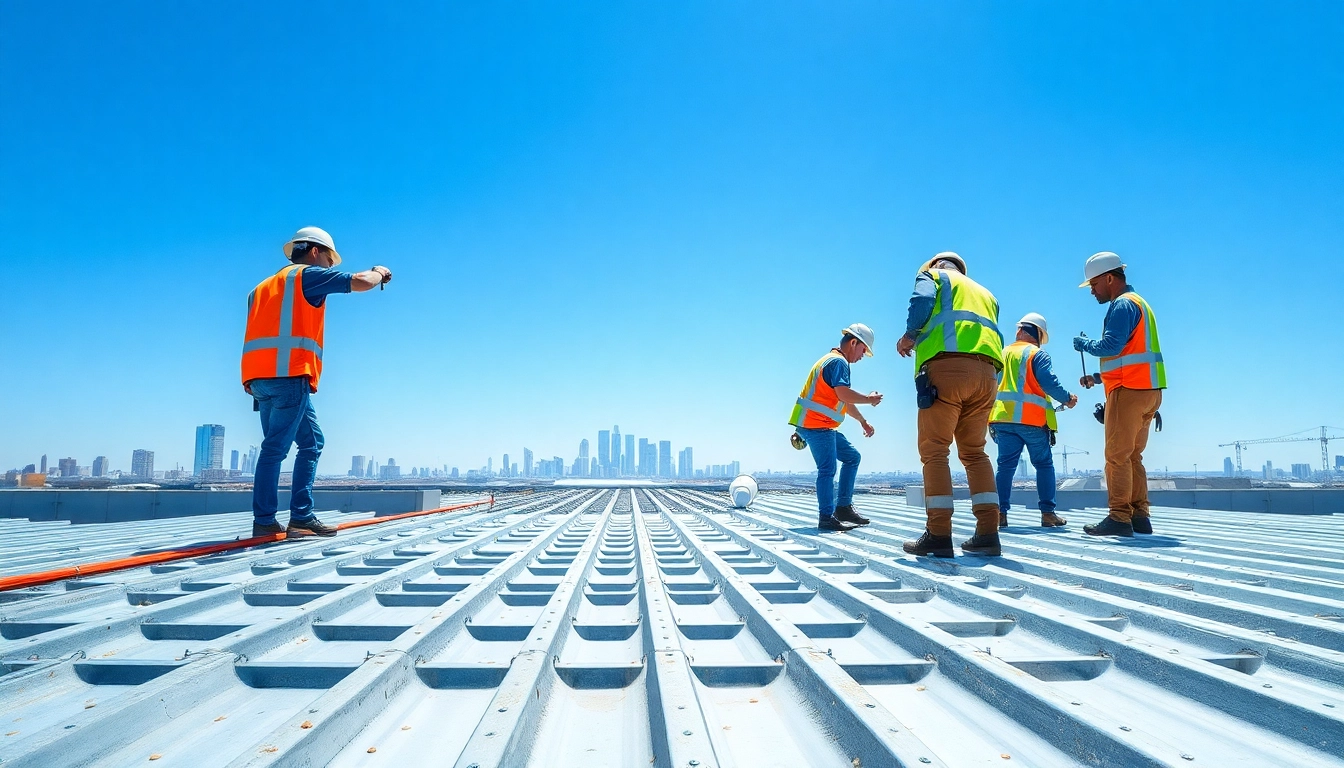
Understanding the Importance of Commercial Roofing Services
When it comes to maintaining the integrity of a commercial building, many business owners overlook the vital role that a well-constructed roof plays. Commercial roofing services offer not only protection but also contribute significantly to energy efficiency, appearance, and overall business functionality. An effective roof can safeguard your assets and improve your business's operational efficiency and appearance.
Why Choose Professional Services?
Engaging professional commercial roofing services is not just a matter of convenience but a necessity for several critical reasons:
- Expert Knowledge: Professional roofers possess extensive training and experience, enabling them to diagnose issues correctly and provide long-term solutions.
- Quality Materials: Roofing experts have access to high-quality materials that may not be readily available to the average consumer.
- Safety Risks: Roof work involves inherent risks, and professionals are trained to handle these safely, therefore minimizing potential liability.
- Warranty Protection: Many professional services offer warranties on both materials and labor, providing peace of mind for business owners.
Key Benefits for Your Business
Opting for competent commercial roofing services can furnish your business with numerous benefits:
- Increased Longevity: A correctly installed roof can last significantly longer than one that has been poorly executed or maintained.
- Improved Energy Efficiency: Modern commercial roofing solutions often include insulation and thermal components that can lower energy consumption.
- Enhanced Aesthetic Appeal: A well-maintained roof contributes to the overall appearance of your building, enhancing your brand's image.
- Reduced Risk of Leaks: Professional installation reduces the risk of leaks, which can cause extensive damage to your building and assets.
Common Misconceptions
Many misconceptions surround commercial roofing services that can lead to costly decisions.
- All Roofs Are the Same: Each roof type has specific characteristics, and the needs vary greatly depending on the structure.
- DIY Saves Money: While self-installation may seem affordable, the potential for mistakes can lead to significant costs down the line.
- Roofing Only Matters When There’s a Problem: Proactive maintenance can prevent issues from occurring in the first place.
Types of Commercial Roofing Services Available
Understanding the various types of commercial roofing services can help you make an informed decision that meets your business needs.
Flat Roofing Options
Flat roofs are commonly used in commercial buildings due to their practical design. They are easy to access for maintenance but require careful installation.
- EPDM Roofing: Ethylene propylene diene monomer (EPDM) is a black rubber membrane commonly used for flat roofing.
- TPO Roofing: Thermoplastic olefin (TPO) provides a reflective surface which helps in reducing energy bills.
- Modified Bitumen: Features asphalt layers and is ideal for commercial properties requiring good durability and flexibility.
Pitched Roofing Solutions
Pitched roofs are often favored for their aesthetic appeal and efficiency in draining rain and snow. Common types include:
- Metal Roofing: Metal roofs offer exceptional durability and long-term cost savings due to their longevity.
- Shingle Roofing: Asphalt shingles are a popular choice for pitched roofs, providing good performance and affordability.
- Tile Roofing: Clay or concrete tiles may be more costly initially but can provide great energy efficiency and longevity.
Specialty Roofing Services
Some commercial buildings have specialized roofing needs, including:
- Green Roofing: Eco-friendly roofs that incorporate plant life to improve air quality and provide insulation.
- Roof Coatings: Reflective coatings applied to existing roofs can enhance durability and energy efficiency.
- Roof Repairs: Professional assessment and repair services help address minor issues before they escalate into costly ones.
Choosing the Right Commercial Roofing Contractor
Selecting a reliable contractor is essential for attaining high-quality roofing services. Here are key considerations to guide your choice.
Credentials to Look For
Ensure the contractor holds the necessary licenses, insurance, and certifications. This not only guarantees their work complies with local regulations but also protects your business from liability.
Evaluating Experience and Expertise
Experience plays a critical role in assessing a contractor's capability. Inquire about:
- Years in Business: Look for a contractor that has been in the field for several years, which often equates to reliability.
- Portfolio of Past Work: Request examples of previous projects and check for quality and variety in their output.
- Client Testimonials: Reviews from past clients can provide insight into their professionalism and quality of work.
Questions to Ask Before Hiring
Prior to hiring, engage in discussions that shed light on their operations:
- What materials do you recommend, and why?
- What does your warranty cover?
- Can you provide a detailed breakdown of costs?
- How do you handle unexpected issues that arise during the project?
Cost Factors in Commercial Roofing Services
Understanding the costs involved in commercial roofing services is crucial for effective budget management.
Understanding Pricing Models
The primary pricing models for roofing projects include:
- Cost-Plus: Price based on labor and materials plus a fixed fee.
- Fixed Price: A predetermined total cost for specific work.
- Time and Materials: Charges based on the time spent and materials used.
How to Budget for Roofing Projects
When planning your budget, consider:
- Inspection costs to ensure accurate assessment.
- Materials, labor, and any permits required.
- A contingency fund for unexpected repairs or changes.
Value vs. Cost: Making Smart Decisions
While it can be tempting to choose the lowest bid, consider the overall value offered. The lowest cost may lead to lower quality materials and workmanship, resulting in higher costs over time.
Maintaining Your Commercial Roofing for Longevity
Proper maintenance is essential to extend the life of your commercial roof.
Routine Maintenance Best Practices
To keep your roof in peak condition, implement a regular maintenance schedule that includes:
- Regular inspections to catch issues early.
- Cleaning debris and ensuring proper drainage.
- Applying protective coatings where relevant.
Signs Your Roof Needs Repair
Being vigilant for signs of damage can save significant costs:
- Visible water stains on ceilings or walls.
- Missing shingles or damaged flashing.
- Increasing energy bills could be linked to roofing efficiency.
Seasonal Considerations for Roof Care
Different seasons bring unique challenges to roofing:
- Spring: Inspect for damage caused by winter weather; ensure drainage systems are clear.
- Summer: Check for heat-related wear and tear, and plan for insulation upgrades to manage energy costs.
- Fall: Clear gutters and prepare for winter; inspect for any damage that could worsen with snow.
- Winter: Ensure snow and ice are managed to prevent excessive weight on the roof.