Understanding Standing Seam Metal Roofs
What is a Standing Seam Metal Roof?
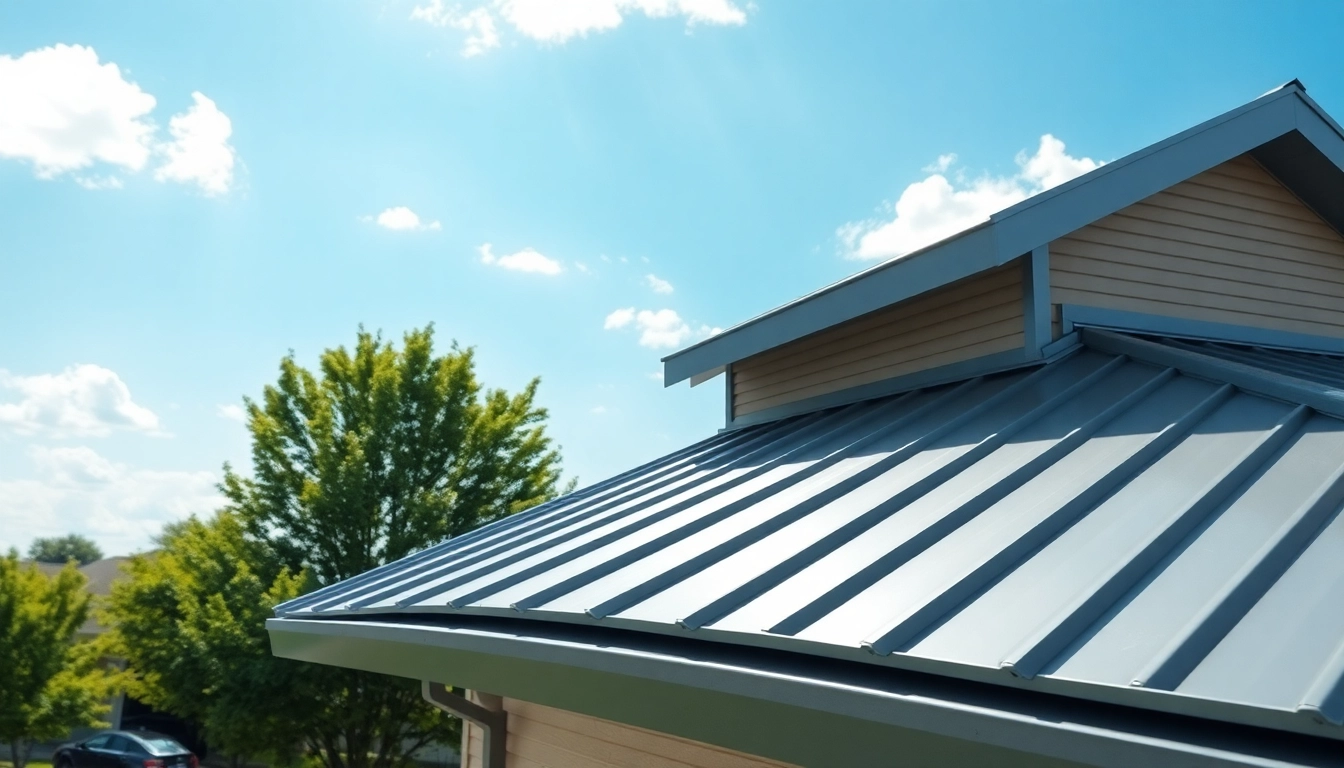
A standing seam metal roof is a type of roofing system characterized by vertical seams that rise above the plane of the roof. These seams connect adjacent metal panels, allowing for a more effective way of managing water and preventing leaks. Often made from materials such as steel or aluminum, this roofing style is not only functional but also offers a sleek, modern aesthetic. Unlike traditional roofing materials like shingles, a standing seam metal roof provides a unique blend of durability and style, making it an increasingly popular choice for residential and commercial buildings alike. The design enables thermal expansion and contraction without risking the roof’s integrity, which is critical for maintaining long-term performance.
Key Components of Standing Seam Metal Roofs
Understanding the key elements involved in standing seam metal roofs is essential for both installation and maintenance. The primary components include:
- Metal Panels: These can vary in thickness and are available in various profiles.
- Seams: These raised areas can be either mechanically or snap-locked together to improve water resistance.
- Underlayment: A protective layer is often installed beneath the metal panels to prevent moisture infiltration.
- Fasteners and Clips: Designed to secure the panels to the structure while allowing for expansion.
- Flashing: Critical for redirecting water away from seams and roof penetrations.
Common Materials Used
Several materials can be used to construct a standing seam metal roof, each offering distinct advantages:
- Steel: Galvanized or galvalume steel provides excellent strength and resistance to corrosion.
- Aluminum: Lightweight and resistant to corrosion, aluminum is ideal for coastal areas.
- Copper: Highly durable and appealing, copper develops a patina over time, adding to its aesthetic.
- Zinc: With a long lifespan and a natural resistance to corrosion, zinc is another sustainable choice.
Advantages of Using Standing Seam Metal Roofs
Durability and Longevity
One of the standout features of a standing seam metal roof is its remarkable durability. These roofs can endure extreme weather conditions such as heavy rain, wind, and snow without suffering significant wear and tear. The typical lifespan of a standing seam metal roof is around 40 to 70 years, depending on the materials used and maintenance practices. Thanks to their resistance to rust and mildew, they require less frequent replacement compared to traditional roofing materials and can lower long-term costs for homeowners.
Energy Efficiency Benefits
Standing seam metal roofs are well-known for their energy efficiency, particularly when equipped with reflective coatings. These roofs can reflect solar energy, decreasing heat absorption and consequently lowering cooling costs during the warmer months. Additionally, the insulation values improve thermal performance greatly, making these roofs a popular choice for environmentally conscious homeowners looking to reduce their energy bills and carbon footprints.
Aesthetic Appeal and Design Flexibility
One of the most appealing aspects of standing seam metal roofs is their modern aesthetic, which complements various architectural styles, from contemporary to traditional. Available in a myriad of colors and finishes, they allow for customization to match any home design. The smooth lines and sleek appearance can enhance curb appeal and make properties stand out in their neighborhoods.
Installation Process of Standing Seam Metal Roofs
Preparation Before Installation
Proper preparation is key to a successful roof installation. This phase often involves the following steps:
- Inspection: Check the existing roof structure for any damage that might require repairs.
- Measurement: Accurately measuring the roof space ensures that materials are cut to size, minimizing waste.
- Material Selection: Choosing appropriate materials based on budget and location is crucial for longevity.
- Weather Consideration: Scheduling the installation during favorable weather conditions can help prevent complications.
Steps for Proper Installation
The installation of a standing seam metal roof should be carried out by professionals due to its complexity. Here’s an overview of the steps involved:
- Remove Old Roofing: If necessary, safely remove any existing roofing materials.
- Install Underlayment: Lay down an underlayment to provide an additional moisture barrier.
- Attach Panels: Start placing panels from the bottom up, securing them with clips to allow thermal expansion.
- Seal Joints: Ensure seams are sealed properly to enhance waterproofing and extend service life.
- Final Inspection: Conduct a thorough inspection once installation is complete for any visible issues.
Post-Installation Inspection Tips
After installation, regular inspections are vital for maintaining roof health. Homeowners should look for the following:
- Check for loose or damaged panels.
- Inspect edge flashing and seams for signs of wear.
- Look for obstructions that could impede water drainage, such as debris accumulation.
- Ensure that drainage systems, like gutters, are functioning properly.
Maintenance of Standing Seam Metal Roofs
Routine Care and Cleaning
Regular maintenance is essential to prolong the life of a standing seam metal roof. Here are some routine care tips:
- Keep the roof clean by removing leaves, branches, and debris.
- Wash panels periodically to prevent oxidation and discoloration.
- Inspect and clean gutters to prevent water backup that could lead to leaks.
Identifying and Addressing Common Issues
While standing seam metal roofs are durable, it’s crucial to recognize potential issues early. Common problems may include:
- Leaks: Inspect seams and flashing periodically to ensure they are intact.
- Rust: Regularly check materials for any signs of corrosion, particularly in coastal regions.
- Fastener Failure: Ensure that fasteners are secure and in good condition.
Handling Severe Weather Conditions
Standing seam metal roofs are designed to withstand severe weather, but additional care may be necessary in such situations. Homeowners should:
- Clear snow accumulation promptly to prevent additional weight and stress on the structure.
- Inspect for storm damage after inclement weather, specifically checking the seams and fasteners.
- Secure any visible loose panels before a storm to prevent further damage.
Frequently Asked Questions
How long does a standing seam metal roof last?
A standing seam metal roof can last 40 to 70 years with proper maintenance, significantly outlasting traditional roofs.
Can standing seam metal roofs handle heavy snow?
Yes, their smooth surface allows snow to slide off, reducing the risk of buildup and potential damage.
Are standing seam roofs energy-efficient?
They are highly energy-efficient, reflecting sunlight and reducing cooling costs, especially in warmer climates.
What color options are available for standing seam roofs?
They come in a wide variety of colors, allowing homeowners to choose options that complement their home’s design.
Do standing seam roofs require special installation?
Yes, they require specialized installation to ensure water tightness and proper thermal expansion management.
Considering a standing seam metal roof for your building? By understanding the components, advantages, installation process, and maintenance tips, you can make an informed choice that will enhance your property’s value and longevity.