Overview of California Smog Check Regulations
The California Smog Check program plays a crucial role in maintaining air quality and ensuring that vehicles meet emissions standards. California is known for its rigorous environmental regulations, and the smog check is one of the most significant measures in combating air pollution. This program is implemented statewide and focuses on assessing the emissions produced by vehicles on the road, from personal cars to commercial trucks. Understanding the regulations that govern the smog check is essential for vehicle owners, as it affects both compliance and the health of our environment.
What is a California Smog Check?
A California Smog Check is an inspection process designed to evaluate a vehicle's emissions system to ensure it complies with state regulations. The inspection is conducted to measure the level of pollutants emitted from the vehicle during operation. Vehicles that produce excessive emissions can contribute to air quality issues, which is why the state has put regulations in place to monitor and control vehicle emissions effectively.
Who Needs a Smog Check?
In California, most vehicles must undergo a smog check every two years. This requirement typically applies to gasoline-powered vehicles that are over six years old. However, there are exceptions based on vehicle type, age, and fuel type.
- Gasoline Vehicles: Generally, these need a smog check every two years once they are over six years old.
- Diesel Vehicles: Vehicles that run on diesel and are more than 1997 models or have a Gross Vehicle Weight Rating (GVWR) of more than 14,000 pounds are also subject to smog checks, albeit on a less frequent basis.
- Hybrid Vehicles: These vehicles typically follow the same rules as standard gasoline engines.
- Newer Vehicles: Vehicles that are less than six years old are typically exempt from the inspection until their sixth birthday.
Types of Vehicles Affected by the Regulations
The regulations governing smog checks apply to various types of vehicles, including:
- Passenger vehicles
- Light-duty trucks
- Vans
- Motorcycles (under certain conditions)
- Medium- and heavy-duty vehicles including some commercial trucks
The Smog Check Process Explained
Understanding the smog check process is crucial for vehicle owners to ensure compliance and avoid penalties. The process typically involves both a visual inspection and emissions testing.
Preparing Your Vehicle for a California Smog Check
Before heading to a smog check center, there are several preparatory steps you can take to improve your chances of passing the inspection:
- Perform Routine Maintenance: Regular oil changes and timely replacements of air filters can keep your vehicle running smoothly.
- Check the Check Engine Light: If this light is on, it may indicate an issue with your emissions system. Resolve any outstanding engine codes before your inspection.
- Inspect the Exhaust System: Look for leaks or rust that could affect emission levels.
Step-by-Step Breakdown of the Smog Check
The smog check process involves several key steps:
- Arrival and Vehicle Identification: Upon arrival at the inspection station, your vehicle’s identification details will be recorded.
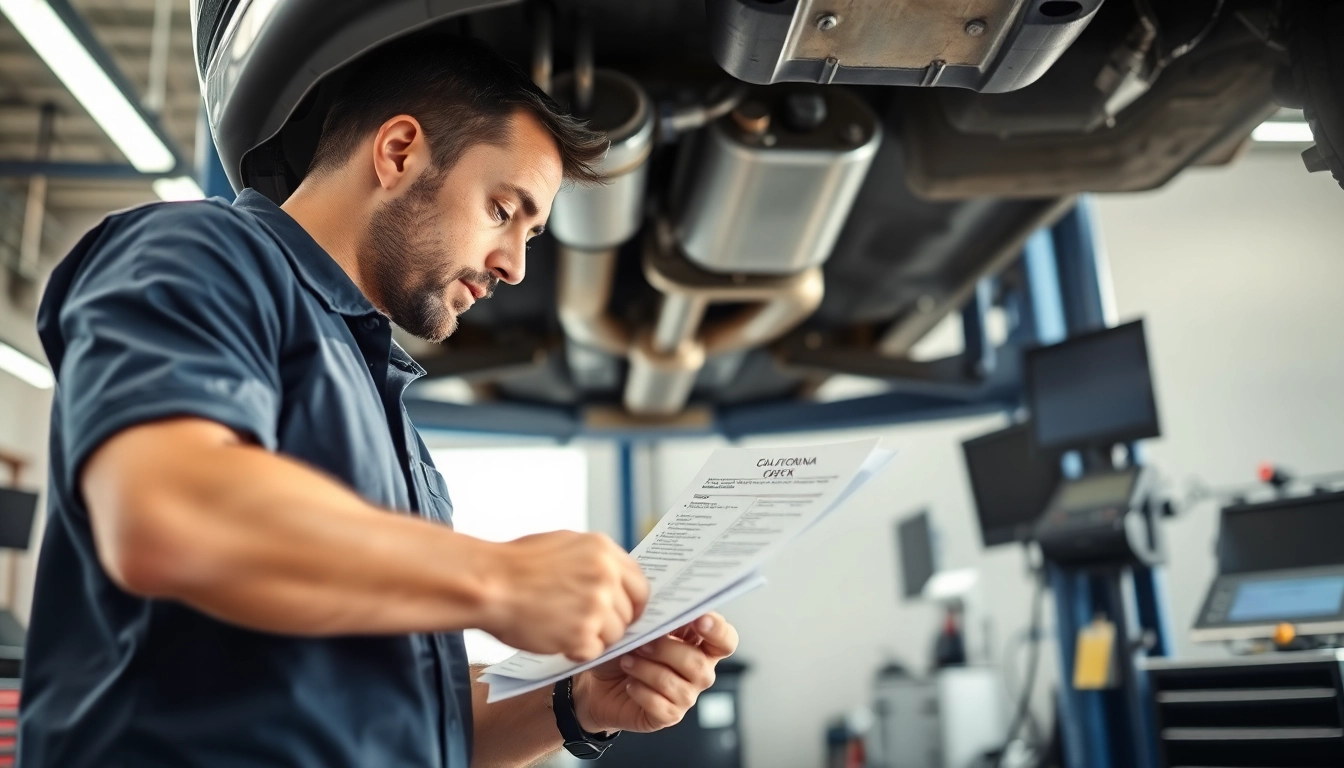
- Visual Inspection: The technician will perform a visual assessment of the emission system, looking for tampering or components that may not meet standards.
- Emission Testing: The technician will conduct tests to measure the pollutants emitted during operation. This may include an idle test and, in some cases, a loaded test where the vehicle is placed under load.
- Results Processing: Once testing is completed, the results will be documented. If your vehicle passes, you will receive a smog certificate, which is necessary to renew your vehicle registration.
Common Issues Detected During the Check
Some common issues discovered during smog checks include:
- Faulty Oxygen Sensors
- Exhaust Leaks
- Defective Catalytic Converters
- Fuel Evaporative System Issues
- Malfunctioning Mass Airflow Sensors
Importance of Smog Checks for the Environment
The California Smog Check program serves not only to regulate vehicle emissions but also to protect public health and the environment. The following aspects highlight the importance of the program.
How Smog Checks Contribute to Air Quality
Annual smog checks have proven effective in reducing air pollution in California. By ensuring that vehicles comply with emissions standards, the number of harmful pollutants released into the atmosphere is significantly reduced, which directly correlates with improved air quality. Lower levels of particulates and ozone contribute to better respiratory health and overall well-being for residents.
Understanding Emission Standards
California adheres to strict emissions standards, which are often more rigorous than federal guidelines. Understanding these standards helps drivers become aware of their vehicles' emission limits, motivating them to keep their cars well-maintained and compliant.
The Role of Vehicle Maintenance in Reducing Emissions
Regular vehicle maintenance plays a critical role in minimizing emissions. Keeping your vehicle in top running condition not only extends its lifespan but also ensures that it operates within legal emissions limits. Simple practices like changing filters and ensuring proper tire pressure can significantly affect emission outputs.
Consequences of Failing a Smog Check
Failing a smog check can lead to several consequences for vehicle owners, which can range from financial to regulatory impacts.
What Happens When Your Vehicle Fails?
If your vehicle fails the smog check, you will receive a report detailing the reasons for the failure. This report is essential for understanding what needs to be repaired for compliance. You will typically be given a grace period during which you can make the necessary repairs and re-test your vehicle.
Understanding Repair Requirements and Costs
The costs associated with repairing your vehicle after failing a smog check can vary greatly depending on the issues detected. Common repairs like replacing an oxygen sensor or catalytic converter may require significant investment. It is essential to obtain a detailed estimate from a certified mechanic who specializes in emissions-related repairs.
How to Prepare for a Re-Test
Preparation for a re-test is similar to preparing for the initial smog check. Vehicle owners should ensure that any identified issues have been resolved and perform a maintenance check on the vehicle before the scheduled inspection. Additionally, it's advisable to keep any repair receipts, which may be needed to demonstrate compliance.
Tips for Passing Your California Smog Check
Passing the California Smog Check can be a straightforward process with the right approach. Here are some practical tips to increase your chances of a successful inspection.
Regular Maintenance Practices to Follow
Commitment to regular vehicle maintenance is the foundation for passing the smog check. Simple tasks such as oil changes and other fluid checks go a long way in maintaining optimal functioning and emissions levels.
Choosing the Right Mechanic for Your Smog Check
Selecting a reputable mechanic is equally important. Look for certified smog check stations with positive reviews. Mechanics familiar with emissions regulations can provide valuable insights into your vehicle’s condition and necessary repairs.
How to Obtain a Waiver if Needed
In certain circumstances, vehicle owners may obtain a waiver following a failed smog test. California’s waiver system allows drivers to be exempt from fixing specific issues under particular conditions. However, certain eligibility requirements must be met, including evidence of repair attempts. It's critical to understand these requirements thoroughly to make the right decisions.
Understanding California's smog check regulations, the testing process, and maintaining vehicle compliance is integral not only for legal vehicle operation but also for safeguarding the environment. By staying informed and proactive, vehicle owners can ensure they meet the necessary standards while contributing positively to air quality efforts across the state.