What is Warehousing?
Definition and Overview
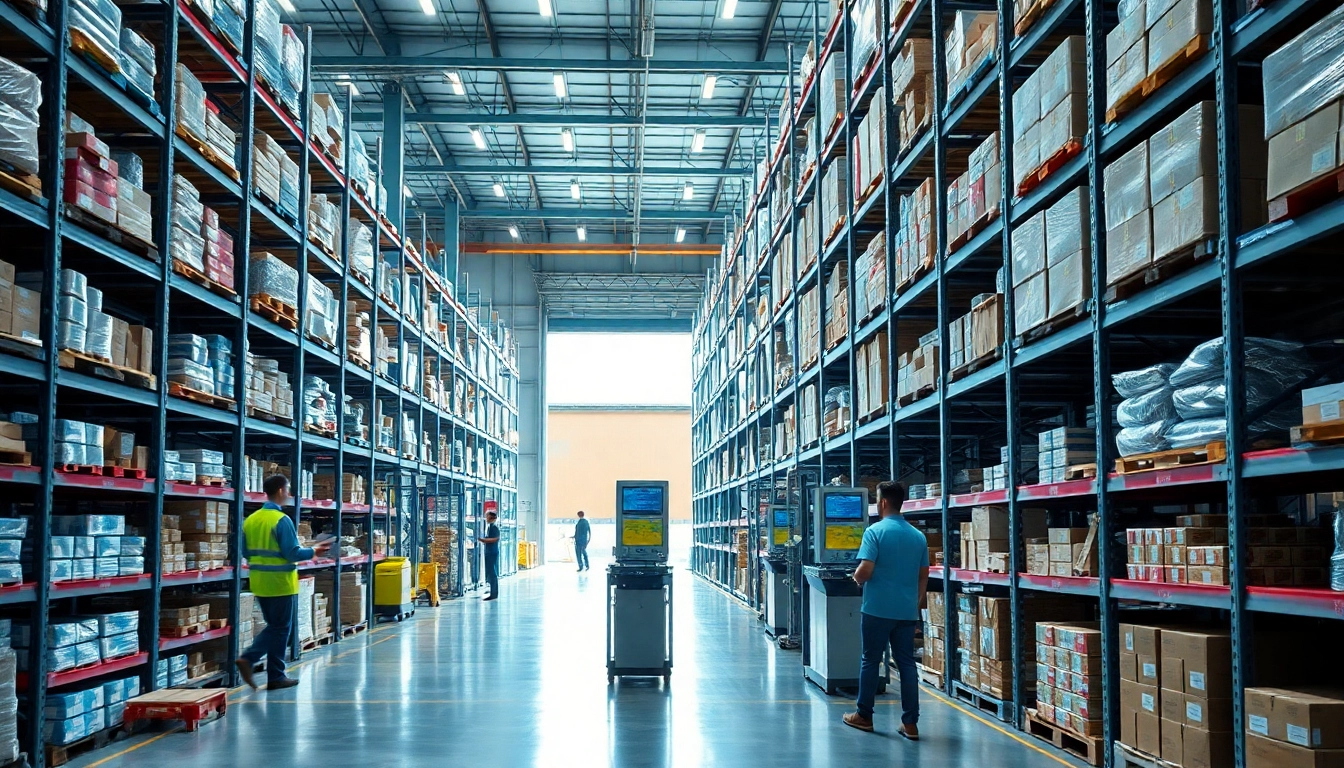
Warehousing plays a pivotal role in the logistics and supply chain management landscape, primarily defined as the process of storing goods and materials in a dedicated facility until they are ready for distribution, sale, or further processing. This systematic storage allows businesses to manage inventory levels effectively and ensure that products are readily available to meet customer demands. A good understanding of warehousing not only helps in optimizing operational efficiency but also enables companies to reduce costs and enhance customer satisfaction.
Importance of Warehousing in Supply Chains
In the intricate web of supply chains, warehousing is integral to operational efficiency and overall business success. It serves several critical functions:
- Inventory Management: Warehousing facilitates efficient management of inventory, allowing businesses to maintain optimal stock levels while minimizing costs associated with overstocking or stockouts.
- Order Fulfillment: By storing products close to major markets, companies can ensure quicker order fulfillment, resulting in improved customer service and satisfaction.
- Seasonal Demand Management: Warehouses enable businesses to store additional inventory in anticipation of peak demand periods, ensuring they can meet customer needs without interruption.
- Protection and Security: Warehousing provides a secure environment for valuable goods, protecting them from theft, damage, and environmental factors.
- Transportation Efficiency: Centralized storage helps streamline the transportation process, reducing shipping costs and improving delivery times through better planning and routing of vehicles.
Types of Warehousing Models
There are various models of warehousing, each tailored to meet different needs of businesses:
- Public Warehousing: This type of warehousing is rented out to businesses on a short-term basis. It’s flexible and allows companies to scale up or down easily in response to changing demand.
- Private Warehousing: Owned by a company, private warehouses are used for its own storage needs. This model is beneficial for businesses that require consistent storage facilities for their products.
- Contract Warehousing: In this case, companies enter into contracts with third-party providers for specific warehousing services, often beneficial for businesses without the capital to invest in their own facilities.
- Distribution Centers: These facilities are designed to move products rather than stock them long-term. They play a crucial role in supply chains, facilitating fast and efficient distribution.
- Automated Warehouses: Utilizing advanced technology and robotics, automated warehousing improves efficiency and accuracy in storage and retrieval processes.
Core Functions of Warehousing
Receiving and Inspection Processes
The first step in the warehousing cycle is the receiving and inspection of goods. This process ensures that the quantities and conditions of products match the accompanying documentation:
- Receipt of Goods: When goods arrive at the warehouse, they are logged into the inventory management system, ensuring accurate tracking from the moment they enter.
- Quality Control Inspection: Each shipment undergoes inspection to check for damages and conformity to order specifications, which helps prevent issues further down the supply chain.
- Labeling and Guiding: Proper labeling ensures that products can be easily located within the warehouse, facilitating a smooth transition to storage.
Storage Strategies and Techniques
Once received, the next vital function is storing products efficiently. There are various strategies to consider:
- Layout Optimization: Designing the warehouse layout for optimal flow of goods, such as placing frequently picked items closer to the dispatch area, can significantly enhance efficiency.
- Stock Rotation: Implementing systems like FIFO (First In, First Out) or LIFO (Last In, First Out) helps in reducing waste, particularly for perishable goods.
- Use of Technology: Advanced storage solutions like pallet racking, shelving, and automated storage systems can maximize space usage and improve access.
Order Fulfillment and Distribution
The order fulfillment process is crucial in ensuring customer satisfaction. Effective storage leads to faster distribution:
- Picking Processes: Various picking methods, such as wave picking or batch picking, are used to gather items efficiently based on order types.
- Packaging: Proper packaging is imperative to protect goods during transportation and reduce damage.
- Shipping: Once packed, orders are prepared for shipment, utilizing the most cost-effective and timely transportation methods.
Technological Innovations in Warehousing
Automation and Robotics in Warehousing
Technology is rapidly transforming warehousing, with automation and robotics at the forefront. These innovations include:
- Automated Guided Vehicles (AGVs): AGVs are used for transporting goods across the warehouse, reducing labor costs and increasing accuracy.
- Robotic Pickers: Robotics are now able to assist in picking tasks, which dramatically speeds up the order fulfillment process.
- Conveyor Systems: Conveyor belts facilitate the movement of products between different areas of the warehouse, enhancing the workflow.
Warehouse Management Systems (WMS)
Warehouse Management Systems are software platforms that facilitate the management and control of warehouse operations. Key features include:
- Inventory Tracking: WMS allows for real-time tracking of stock levels, ensuring accurate inventory management.
- Order Management: Automation of order processing from initiation to shipping enhances efficiency and minimizes errors.
- Reporting and Analytics: Detailed reports generated by WMS can provide insights into operational efficiency, helping to inform decision-making processes.
Data Analytics and Optimization
Data analytics is also transforming warehousing operations by providing insights that drive optimization:
- Predictive Analytics: Utilizing historical data to describe trending patterns aids businesses in forecasting inventory needs and improving stock management.
- Performance Metrics: Key Performance Indicators (KPIs) can be monitored through data analytics to assess operational efficiency, such as order cycle time and inventory turnover rates.
- Customization of Operations: Analytics help tailor operations to meet specific customer demands, enhancing satisfaction and retention.
Challenges in Warehousing Operations
Inventory Management Difficulties
While warehousing offers numerous benefits, there are also challenges that organizations may face:
- Overstocking and Stockouts: Balancing inventory levels is crucial; overstocking can increase costs while stockouts can lead to lost sales and reduced customer satisfaction.
- Product Obsolescence: Slow-moving or outdated inventory can become a significant cost to businesses, emphasizing the need for regular stock audits and inventory rotation.
Space Utilization and Design Constraints
Maximizing space utilization in warehouses is often a complex challenge:
- Layout Inefficiencies: An inefficient layout can hinder the movement of goods and lead to wasted time and resources.
- Capacity Constraints: As businesses grow, the demand for more storage capacity can strain existing facilities, necessitating expansion or redesign.
Labor Management and Skill Gaps
An effective workforce is critical to warehousing operations, yet businesses often experience challenges related to labor:
- Skill Shortages: As technology advances, there is a growing need for workers with specialized skills in automation and robotics.
- Employee Retention: Warehousing often involves physically demanding tasks, which can lead to higher turnover rates if not managed with employee satisfaction in mind.
Future Trends in Warehousing
Sustainable Practices and Green Warehousing
The future of warehousing is leaning towards sustainability, with practices designed to minimize environmental impact:
- Energy Efficiency: Facilities are investing in energy-efficient technologies, such as LED lighting and improved insulation, to reduce operational costs and reliance on fossil fuels.
- Waste Reduction: Implementing practices such as recycling and using biodegradable packaging materials contribute to greener operations.
Impact of E-commerce on Warehousing
The rise of e-commerce has profoundly shifted warehousing demands:
- Increased Demand for Fast Fulfillment: Consumers expect rapid delivery, and warehouses must adapt to meet these expectations, often requiring advanced order processing and shipping solutions.
- Flexible Warehousing Solutions: The ability to scale operations quickly to match fluctuating demand is critical, leading to innovation in short-term and contract warehousing options.
Future Innovations to Watch
Innovation continues to drive the warehousing industry forward:
- AI and Machine Learning: The introduction of AI can help in predictive analytics, optimizing stock levels, and automating various processes within the warehouse.
- Blockchain for Transparency: Enhanced traceability in the supply chain through blockchain technology can increase trust among stakeholders and improve compliance.