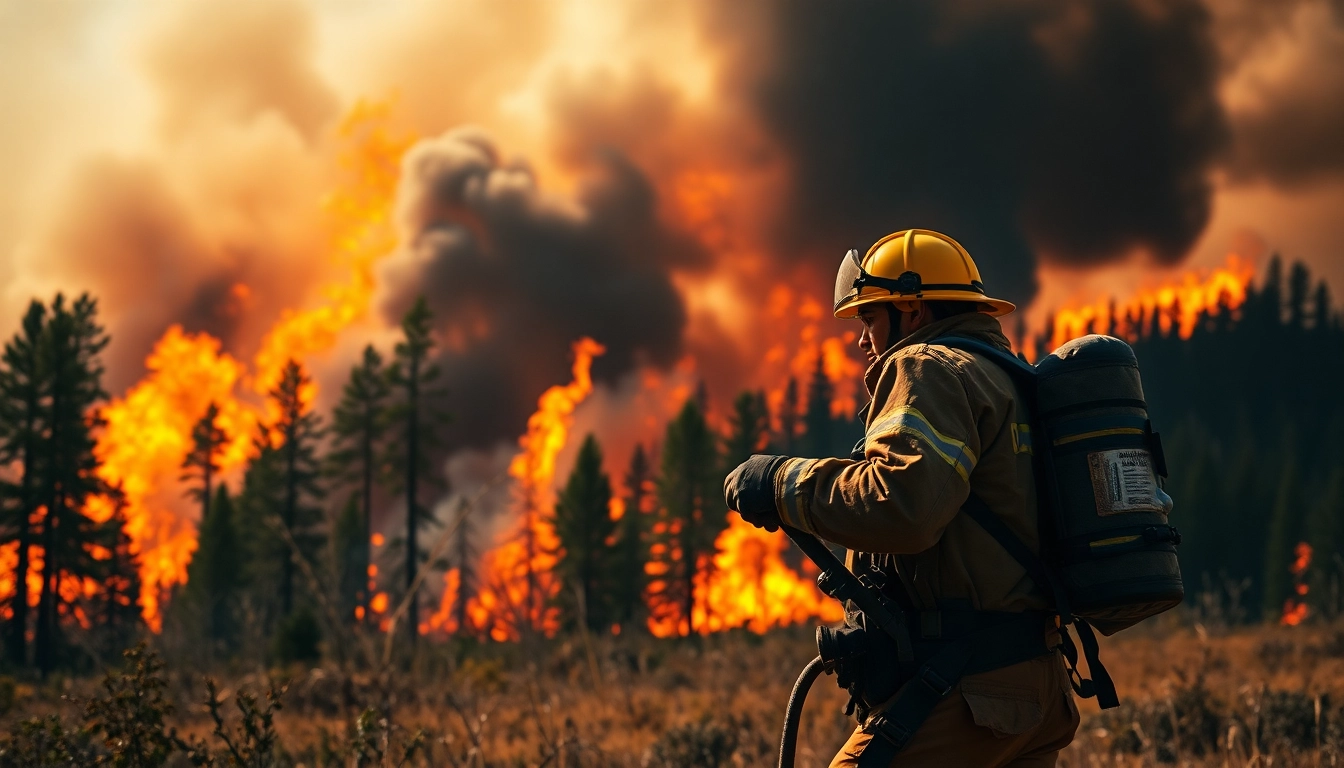
What Are Wildfire Events?
Wildfire events encompass uncontrolled fires that occur in forested or grassland areas, primarily fueled by dry vegetation and influenced by environmental conditions. These incidents can vary in scale, severity, and implications, fundamentally altering ecosystems and impacting local communities. Understanding Wildfire events entails recognizing their drivers, effects, and the multifaceted nature of wildfire management.
The Nature of Wildfire Events
Wildfires can be categorized into different types based on their origin and severity. Generally, they can be classified as:
- Natural Wildfires: These fires are initiated by natural phenomena such as lightning strikes, volcanic eruptions, or spontaneous combustion due to dry conditions.
- Human-Induced Wildfires: Human activities, including campfires, discarded cigarettes, arson, or spark from equipment, often cause wildfires.
- Managed Wildfires: Some fires are intentionally set by agencies to reduce combustible materials and rejuvenate ecosystems.
Wildfire events are dynamic and can shift rapidly due to changes in weather and topography, making them unpredictable and challenging to control.
Common Causes of Wildfire Events
Understanding the causes of wildfire events is crucial for prevention and management. The most prevalent causes include:
- Weather Conditions: Hot, dry weather with low humidity can increase fire risk significantly. Wind conditions also play a vital role, enabling wildfires to spread rapidly.
- Vegetation Type: The type of vegetation present influences fire vulnerability. Areas with dense, dry underbrush are more susceptible to wildfire.
- Human Activities: Activities such as land clearing, agricultural burning, and outdoor recreational activities can ignite wildfires if proper safety measures are not followed.
The Importance of Understanding Wildfire Events
Comprehending the complexity of wildfire events is essential for effective management and mitigation. Increased understanding can lead to improved fire prevention strategies, community preparedness, and enhanced firefighting resources. Furthermore, awareness promotes better policies that can mitigate the impact of wildfires on communities and ecosystems.
Impact of Wildfire Events on Ecosystems
Wildfire events wield considerable influence on both flora and fauna, resulting in short-term and long-term repercussions that can reshape entire ecosystems.
Effects on Flora and Fauna
Wildfires have a dual effect on plant and animal life. On one hand, they can devastate habitats, causing immediate harm to wildlife and plants. Conversely, some species have adapted to rely on fire for regeneration. For instance, certain tree species, like the ponderosa pine, have cones that only open to release seeds after being exposed to the heat of a fire.
Animal species might suffer from habitat destruction and loss of food sources, but they can also benefit from the rejuvenation of habitats that post-fire environments often provide. Insects and small mammals may thrive in the newly sprouted vegetation that follows a fire.
Long-term Environmental Changes
Wildfires can induce profound long-term changes in ecosystems, including soil degradation, alterations in water cycles, and shifts in plant communities. Frequent wildfires may lead to a cycle of vegetative changes that can transform forested areas into grasslands or shrublands, thereby impacting biodiversity and ecosystem services.
Economic Consequences of Wildfire Events
The economic impact of wildfire events extends beyond the immediate destruction of property and landscapes. Long-standing effects include increased insurance premiums, reduced tourism, and costs associated with firefighting and recovery efforts. Communities often face the economic burden of restoring infrastructure and lost business revenues due to evacuation and damage.
Preparation for Wildfire Events
Preparing for the inevitability of wildfire events involves community cooperation, planning, and resource allocation.
Creating a Wildfire Emergency Plan
A robust emergency plan tailored to local risks and scenarios is crucial. This plan should include evacuation routes, communication channels, and designated meeting points for families. Regularly updated information about local dry conditions and fire danger levels must also be part of this preparation.
Community Involvement in Preparation
Engaging local communities in wildfire preparedness fosters resilience. Community workshops and training sessions can provide education on fire safety, creating defensible spaces around homes, and sharing responsibilities for managing local natural areas.
Utilizing Technology for Monitoring Wildfire Events
Modern technology plays a significant role in wildfire management. Satellite imagery, drone technology, and mobile applications can assist in monitoring fire conditions and predicting fire spread. Real-time data sharing can help emergency services respond promptly, reducing the impact of wildfires.
Response Strategies During Wildfire Events
Effective responses during wildfire events hinge on preparedness and cooperation between various agencies and the public.
Effective Firefighting Techniques
Firefighting strategies can be broadly categorized into direct and indirect attack methods. Direct methods involve attacking the flames from the fire's edge, typically requiring ground crews and water sources. Indirect tactics may include creating firebreaks by removing fuel sources in the fire's path. The choice of method depends on fire behavior, terrain, and available resources.
Role of Emergency Services
Emergency services are at the forefront of wildfire response, coordinating firefighting efforts and evacuations. Their capabilities can significantly influence the effectiveness and speed of a response. Public education efforts by these agencies can help communities prepare better and respond more proactively during an event.
Community Support During Wildfire Events
Community action is invaluable during wildfire events. Active involvement can include volunteering for firefighting resources, arranging community shelters, and supporting displaced families. Building strong networks fosters a sense of shared responsibility and resilience.
Long-term Recovery from Wildfire Events
The aftermath of wildfire events poses substantial challenges, necessitating a structured approach to recovery.
Rebuilding: Environmental and Economic Recovery
Post-wildfire rebuilding must address both environmental and economic dimensions. Rehabilitation efforts might include reforestation and soil recovery techniques to restore landscapes, while economic recovery can involve financial support mechanisms for affected businesses and incentives for sustainable practices that reduce future risks.
Policy Changes Post-Wildfire Events
Regulatory frameworks can be updated in response to wildfire events to enhance land-use planning, promote fire-resistant construction practices, and fund community resilience initiatives. Robust policies anchored in local needs can mitigate future risks and improve overall community preparedness.
Education and Awareness to Prevent Future Wildfire Events
Long-term recovery strategies should include education programs that promote awareness of wildfire risks. Community members can be trained on fire safety, proper disposal of flammable materials, and the importance of maintaining defensible space around homes. Such initiatives cultivate a culture of preparedness that can significantly impact future wildfire outcomes.
Frequently Asked Questions
What causes wildfires?
Wildfires are typically caused by natural events like lightning or human activities such as discarded cigarettes, campfires, and arson, which ignite dry vegetation under favorable wind and weather conditions.
How can I prepare my home for a wildfire?
To prepare your home for a wildfire, clear flammable materials away from your home, use fire-resistant building materials, and create a defensible space of at least 30 feet around your property.
What are the long-term effects of wildfires on ecosystems?
Long-term effects include changes in soil composition, water cycles, and vegetation types, potentially leading to altered habitats and loss of biodiversity while enabling some species to thrive post-fire.
How do firefighters combat wildfires?
Firefighters combat wildfires using various techniques, including creating firebreaks, direct attacks on the fire's edge, and aerial firefighting techniques using water or fire-retardant chemicals from aircraft.
What should I do if a wildfire is near my home?
If a wildfire is near your home, follow evacuation orders immediately, gather essential items, and stay informed through credible news sources for updates on fire conditions and safety measures.