Understanding the Thrift Vintage Phenomenon
The world of thrift shopping has steadily gained recognition not only as a cost-effective solution for fashion enthusiasts but also as a sustainable option that promotes environmental consciousness. At the heart of this movement lies https://thrift-vintage.com, which serves as a gateway to an array of vintage fashion treasures. As we delve into this phenomenon, we will explore what defines vintage fashion, the myriad benefits of thrift shopping, and the ever-evolving trends in sustainable fashion.
What Defines Vintage Fashion?
Vintage fashion is universally recognized as clothing that dates back at least 20 years, representing distinct styles, materials, and cultural sentiments of its time. Often sourced from estates, consignment shops, or dedicated vintage stores, vintage pieces vary widely in aesthetic—from the flamboyant styles of the 1960s to the minimalist designs of the 1990s. This type of fashion provides a fascinating lens into the past, allowing individuals to express their identities through garments that hold stories and historical significance.
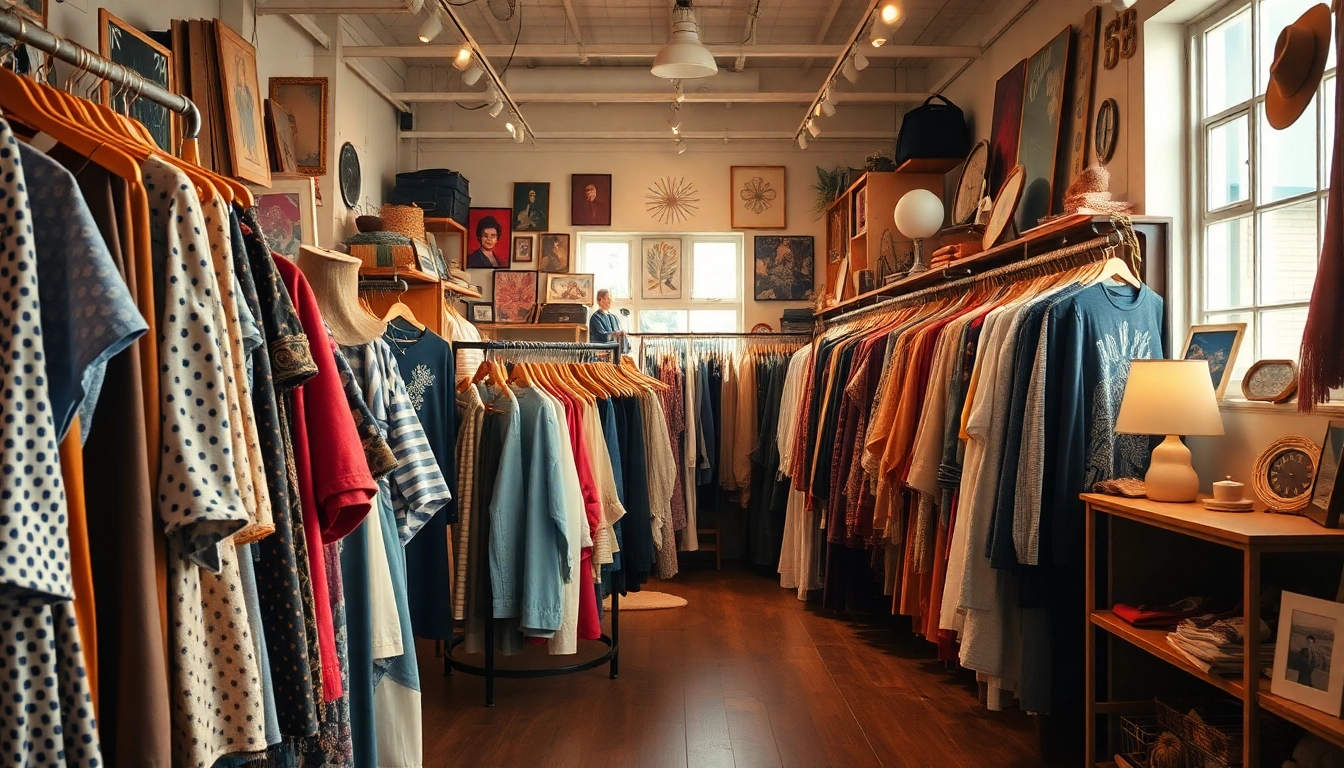
Moreover, vintage fashion contrasts sharply with fast fashion due to its quality craftsmanship and unique artistry. Unlike mass-produced items, vintage clothing was often made with attention to detail, using high-quality materials that stand the test of time. As consumers increasingly seek individuality in their wardrobes, vintage clothing has become a way to stand apart from uniformity. Thrift stores are primary sources for discovering these gems, and each visit holds the promise of finding something truly distinct.
The Benefits of Thrift Shopping
Thrift shopping extends beyond merely saving money—it's a lifestyle choice characterized by various benefits:
- Economic Savings: Thrift stores offer garments at significantly reduced prices compared to retail, making it accessible for consumers of all budgets.
- Environmental Impact: By purchasing secondhand clothing, shoppers contribute to reducing waste and minimizing the demand for new garment production, which is often linked to environmental degradation.
- Unique Finds: Thrift stores curate an ever-changing collection, making it likely for shoppers to find one-of-a-kind pieces that speak to their personal style.
- Supporting Local Communities: Many thrift stores operate as charities or non-profits, meaning that purchases support local social causes and initiatives.
The combination of economic advantages and ethical considerations makes thrift shopping an appealing choice for conscientious consumers. Additionally, the thrill of the hunt—finding a beautiful vintage piece tucked away among lesser items—adds an exhilarating factor that traditional retail shopping lacks.
Exploring Sustainable Fashion Trends
The sustainability movement significantly influences consumer behavior, particularly among millennials and Gen Z, who prioritize eco-friendly practices in their purchasing habits. Thrift shopping aligns perfectly with this ethos, allowing individuals to partake in a fashion-forward lifestyle without contributing to the environmental crises associated with fast fashion. The rise of circular fashion—whereby clothing is reused, upcycled, or recycled—redefines how society views garment life cycles.
Popular trends such as renting clothing or swapping garments further demonstrate the shift towards a more sustainable approach in the fashion industry. Thrift stores play a critical role in these trends by facilitating the reallocation of clothing that still has life left in it, reinforcing the idea that fashion doesn’t have to come at the expense of the planet.
How to Successfully Shop at Thrift Vintage Stores
Successful thrift shopping requires a blend of strategy, patience, and a keen eye for quality. The unique environment of thrift stores can be overwhelming, but with the right approach, it can also be a rewarding experience filled with unexpected treasures.
Essential Tips for Thrift Shopping at https://thrift-vintage.com
When thrift shopping, especially at platforms like https://thrift-vintage.com, consider the following essential tips to make the most of your experience:
- Set a Budget: Before shopping, establish a budget to avoid overspending. Thrift stores can tempt you to purchase far more than you initially planned.
- Visit Frequently: Inventory in thrift stores changes regularly. Frequent visits will increase your chances of discovering new items that fit your style.
- Be Patient: Thrift shopping requires sifting through a lot of items. Patience is essential to find the perfect piece that resonates with you.
- Inspect Closely: Check garments for any signs of wear or damage. Look for stains, tears, and general condition to ensure your buy is worth it.
- Try It On: Whenever possible, try on items. Sizing can vary significantly across eras and brands, and trying on ensures a better fit.
Identifying Quality Vintage Pieces
Beyond just price points, discerning quality vintage pieces involves a deeper understanding of fabrics, stitching, and garment construction. Here’s how to identify quality:
- Material Selection: Vintage clothing often utilizes premium fabrics like silk, wool, or durable cotton. Avoid synthetic materials unless they are part of a notable design.
- Stitching and Construction: Examine seams and hems; quality vintage pieces often have neat stitching and are well-constructed.
- Labels and Tags: Familiarize yourself with vintage labels that signify authenticity. Research brands known for quality production.
- Style and Cut: Recognize styles that are flattering to your body type. Understanding your personal style will help in choosing pieces that you can wear confidently.
Decoding Thrift Shop Pricing
Pricing in thrift shops can be a puzzle due to various factors affecting the valuation of items. Generally, prices may vary based on brand, rarity, condition, and demand. Understanding these dynamics helps in recognizing a good deal:
- Brand Reputation: Well-known brands often fetch higher prices even in thrift stores due to demand and desirability.
- Material Costs: Higher quality materials lead to higher price tags. Assess if the price reflects the quality of the item.
- Condition Assessment: Items in mint condition will be priced higher than those with imperfections, so weigh the cost against possible repairs.
- Market Trends: Keep up with fashion trends that might increase the value of certain styles or colors, allowing you to negotiate better.
Maintaining Your Vintage Wardrobe
Once you’ve curated a selection of quality vintage pieces, maintaining and styling them becomes essential to ensure they last. Here we provide practical guidance on caring for your vintage wardrobe, styling outfits, and creatively upcycling thrifted finds.
Care Techniques for Vintage Clothing
Caring for vintage clothes requires extra attention to preserve their integrity and appearance. Here are some essential care tips:
- Washing: Always read labels and wash vintage pieces as recommended. Hand washing is often gentler and helps maintain fabric quality.
- Storage: Store clothing in a cool, dry place away from sunlight to prevent fading. Use padded hangers or acid-free tissue paper to prevent stretching.
- Repairs: Learn basic sewing skills for minor repairs. Fixing small tears or loose buttons can extend the life of cherished pieces.
Creative Ways to Style Thrifted Outfits
Styling vintage outfits can be fun and expressive. Here are ways to incorporate thrifted finds into your daily wardrobe effectively:
- Mix and Match: Blend vintage pieces with modern items to create a balanced look. A vintage skirt paired with a contemporary top can produce a stylish contrast.
- Accessorizing: Use accessories like jewelry, belts, and bags to elevate vintage pieces. These can add a fresh touch to older garments.
- Layering: Experiment with layers to compose unique looks. Layers can conceal any imperfections in clothing while allowing for creativity in style.
Upcycling Thrifted Finds
Upcycling vintage clothing is a sustainable and creative way to give new life to thrifted finds. Consider these techniques:
- Resizing: Tailor garments to fit your shape better. A skilled tailor can turn a loose dress into a fitted piece.
- DIY Modifications: Engage in DIY projects like adding embroidery or patches to enhance the visual appeal of a piece.
- Reinventing: Turn old dresses into skirts, or t-shirts into trendy crop tops. Experimenting with transformations opens up new styling possibilities.
The Community Impact of Thrift Shopping
Thrift shopping significantly influences local communities and broader societal trends. In this section, we discuss how thrift shops support local economies, their environmental benefits, and the creation of thrift communities.
Supporting Local Economies through Thrift Shops
Purchasing from thrift stores often benefits local charities or community organizations. These establishments frequently reinvest profits to address community needs such as housing, healthcare, and education. By thrift shopping, consumers become part of a larger mission that provides tangible benefits to those around them. Moreover, employment opportunities generated through thrift stores also contribute positively to local economies.
The Environmental Benefits of Buying Vintage
The environmental advantages of thrift shopping are greatly amplified when we reflect on the ecological footprint of fast fashion. By choosing to buy vintage or secondhand, shoppers actively participate in reducing textile waste—a significant issue considering that millions of tons of clothing end up in landfills each year.
Moreover, the production of new clothing is resource-intensive, consuming water, energy, and raw materials that deplete natural resources. Thrift shopping minimizes the need for new production, thus conserving resources and reducing carbon emissions associated with manufacturing processes.
Creating a Thrift Community: Sharing Tips and Experiences
Communication and community-building amongst thrift shoppers enhance the overall experience and provide opportunities for sharing knowledge and strategies. Create or join local thrift groups on social media platforms where community members can swap tips, share finds, and organize thrift store visits together. This engagement not only enriches individual experiences but also strengthens community ties.
Participating in community events like clothing swaps can amplify this sense of togetherness while promoting sustainable practices within the community.
Future Trends in Thrift Shopping
As the thrift shopping landscape evolves, emerging trends and technologies will shape the future of how consumers engage with vintage fashion. In this section, we explore how technology is influencing thrift shopping and what future changes to anticipate.
How Technology is Shaping Thrift Shopping
The integration of technology in thrift shopping is transforming traditional models. Online platforms offering thrift items are surging in popularity, allowing shoppers access to a wider range of choices from the comfort of their homes.
Augmented reality (AR) and virtual fitting rooms are expected to revolutionize the online shopping experience, making it easier for customers to assess the fit and style of vintage pieces without physically trying them on. The convenience offered by mobile apps and platforms also offers insights into trending items and enables shoppers to stay abreast of new arrivals.
The Rise of Online Thrift Stores like https://thrift-vintage.com
As consumer preferences shift towards online shopping, platforms such as https://thrift-vintage.com are at the forefront of this movement, providing curated vintage selections to an ever-growing audience. Online thrift stores not only broaden access but also cater to consumers who may have limited access to local shops.
Integration of review systems and customer feedback fosters trust and transparency. This shift enhances the consumer's confidence in purchasing thrifted items online.
Anticipating Future Changes in Vintage Fashion
The future of vintage fashion will likely see a fusion of sustainability and cutting-edge design. As industries evolve toward circular fashion, we will likely witness innovations that prioritize eco-friendly materials and practices in vintage clothing production.
Ultimately, as demands shift, the notion of vintage fashion will continue to evolve, embracing versatility and community-driven approaches that resonate with conscientious consumers.