What to Expect at a Vintage Shop Copenhagen
Unique Collections and Styles
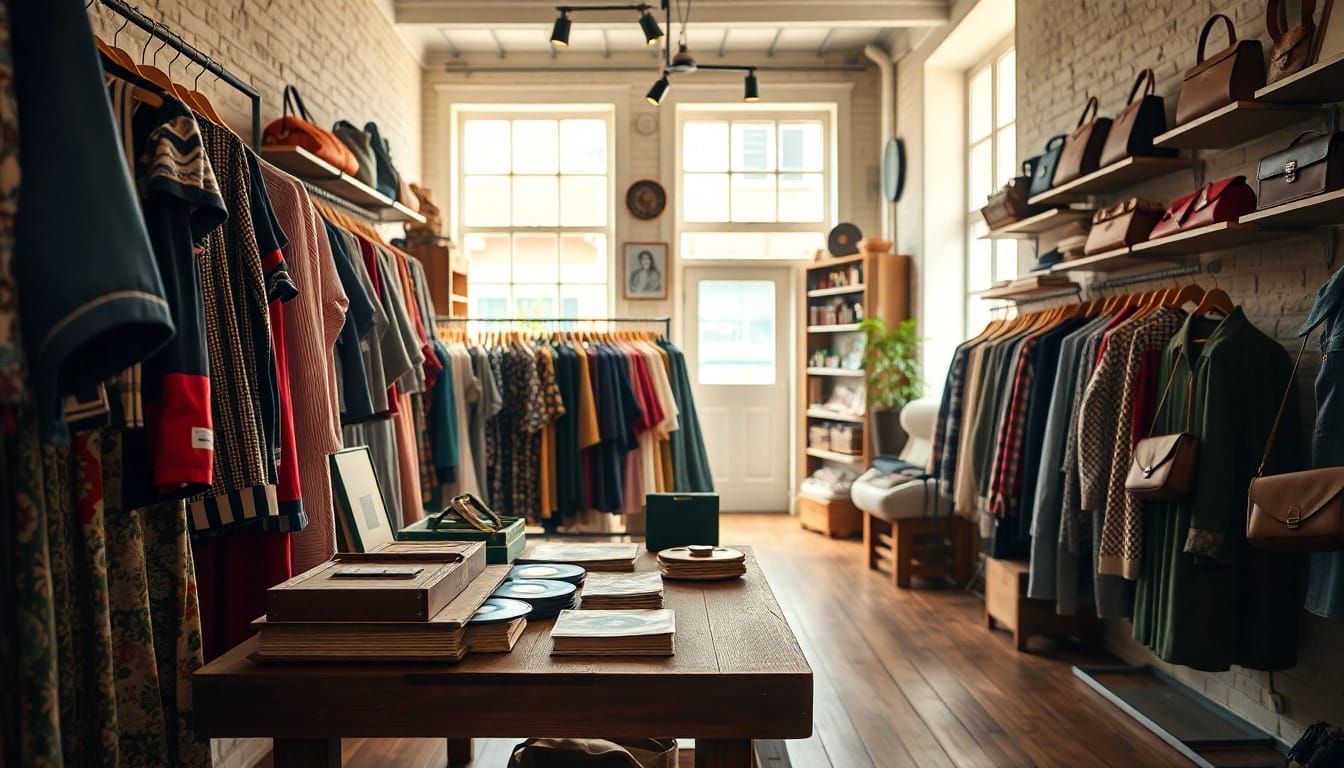
An exploration of a vintage shop Copenhagen often reveals a treasure trove of collections that span decades, each reflecting its unique era. The allure of vintage shops lies not just in their eclectic offerings but also in the stories woven into each piece. From flamboyant 80s prom dresses to retro 60s denim jackets, the assortment caters to various tastes and styles. Vintage shops frequently curate collections based on themes or eras, ensuring that every visit is an opportunity for discovery. Authentic vintage items offer a distinct character that mass-produced clothing lacks, providing shoppers with an unparalleled experience in selecting pieces that express individuality.
Quality and Sustainability
In today's fast-paced world, quality and sustainability take precedence more than ever. Vintage shops champion these values by offering apparel made with durable materials and craftsmanship that often surpasses contemporary fast fashion. Shoppers can feel reassured that their purchases contribute to sustainable practices, as buying vintage reduces waste and promotes recycling. Many vintage shop owners emphasize the importance of choosing quality over quantity, showcasing garments that not only stand the test of time in style but also in durability.
The Vintage Shopping Experience
The experience of shopping in vintage stores is distinctly different from conventional retail environments. Shoppers are often greeted by an ambiance steeped in nostalgia, complete with vintage decor, music from past decades, and knowledgeable staff eager to share tales about the items on sale. Encountering friendly sellers who can provide background on the pieces adds an extra layer of charm and engagement. Moreover, the unpredictable nature of vintage shopping—never knowing what unique find awaits—heightens the thrill, making each visit memorable.
Navigating the Vintage Shop Scene in Copenhagen
Choosing the Right Neighborhood
Copenhagen offers a rich variety of neighborhoods, each with its unique vintage scene. Areas like Vesterbro and Nørrebro are known for their trendy boutiques, fun atmospheres, and hip communities, making them ideal spots for vintage shopping. These neighborhoods preserve their historical charm while integrating modern elements, attracting both locals and tourists. Conducting area-specific research can help vintage enthusiasts pinpoint stores that align with their style—a curated list or blog could be useful for first-time visitors seeking the best vintage finds.
Shopping Tips for Vintage Enthusiasts
To maximize the experience at vintage shops, enthusiasts should adopt a few strategies. Firstly, patience is key; finding the perfect piece may take time. Secondly, shoppers should inspect items thoroughly for any damage, and don’t shy away from negotiating prices—many vintage store owners are open to haggling. Thirdly, know your body measurements and try things on as sizes can differ from modern standards. Finally, frequenting shops during off-peak hours can enhance the experience by allowing for uninterrupted browsing.
Engaging with Local Sellers
Interacting with local sellers can significantly enrich the vintage shopping experience. Sellers often possess extensive knowledge about the items they curate and can share fascinating stories related to each piece's history. Building a relationship with sellers can also lead to personalized recommendations and insider access to upcoming sales or events. For those passionate about vintage fashion, engaging with the local community and participating in events like flea markets or vintage fairs can foster connections that enhance their shopping adventures.
Understanding the Appeal of Vintage Fashion
Historical Context of Vintage Trends
The aesthetics of vintage fashion can be traced back to distinct cultural and historical contexts. Each decade reflects the societal norms, technological advancements, and artistic movements of its time. For instance, the roaring twenties brought about flapper dresses and Art Deco influences, while the hippie movement of the sixties introduced fabrics and styles that embraced free expression. Understanding these contexts not only adds depth to one’s vintage shopping experience but also serves as a nod to the fashion sensibilities of the past.
How Vintage Clothing Defines Personal Style
Incorporating vintage pieces into an everyday wardrobe allows individuals to express their unique style while diverging from mainstream fashion trends. Vintage clothing offers countless possibilities for creative outfits that stand out in a crowd. Integrating retro items encourages personal storytelling through fashion, showcasing one's values and identity. Mixing modern pieces with vintage finds can also create a distinctive look that highlights the best of both worlds.
Cultural Significance of Vintage in Modern Fashion
Vintage fashion has undergone a resurgence, playing a significant role in shaping contemporary styles. Designers frequently draw inspiration from past trends, often remaking classic silhouettes with a modern twist. This cyclical nature of fashion fosters a deep appreciation for historical styles, emphasizing that good design transcends time. Vintage fashion embodies a sense of authenticity and individuality, countering the uniformity often found in fast fashion.
Embracing Sustainability Through Vintage Shopping
Environmental Benefits of Buying Vintage
Buying vintage significantly contributes to environmental sustainability. Each piece purchased redirects it from landfills, substantially reducing waste. Additionally, vintage shopping minimizes the carbon footprint associated with producing new clothing. The fashion industry is notorious for its negative environmental impact, and by choosing vintage items, consumers actively participate in reducing this harm. This sustainable choice encourages a mindset shift towards valuing quality and longevity in fashion.
Supporting Local Brands and Artisans
Many vintage shops partner with local artisans, offering handmade or refurbished items that further reinforce the commitment to sustainability. Purchasing from these shops supports the local economy and fosters community growth. Shoppers become part of a larger movement that values craftsmanship and individuality over mass-produced goods. This local engagement creates a more vibrant shopping experience while contributing to the preservation of artisan skills.
Contributing to a Circular Economy
The vintage fashion industry embodies the principles of a circular economy, where items are reused and repurposed rather than discarded. This model promotes resource efficiency and aims to extend the lifecycle of garments. By opting for second-hand outfits, consumers help create a sustainable loop where clothing continues to have value long after its initial owner. Engaging with vintage shops not only enhances personal style but also promotes systemic change in how fashion is consumed.
Frequently Asked Questions about Vintage Shops
What types of items can I find in a vintage shop?
Expect to find unique clothing items, accessories, and sometimes homeware that reflect past trends and styles.
How do I know if a vintage item is authentic?
Look for labels, styles, and materials that indicate age. Knowledgeable staff can often offer insights.
Are vintage items expensive?
Prices vary greatly; some items may be affordable while rare pieces can be pricier depending on their history.
How should I care for vintage clothing?
Always follow care labels, opt for gentle cleaning methods, and store items properly to maintain their integrity.
Can I find vintage shops online?
Yes, many vintage shops have online stores or social media pages showcasing their latest inventory and promotions.