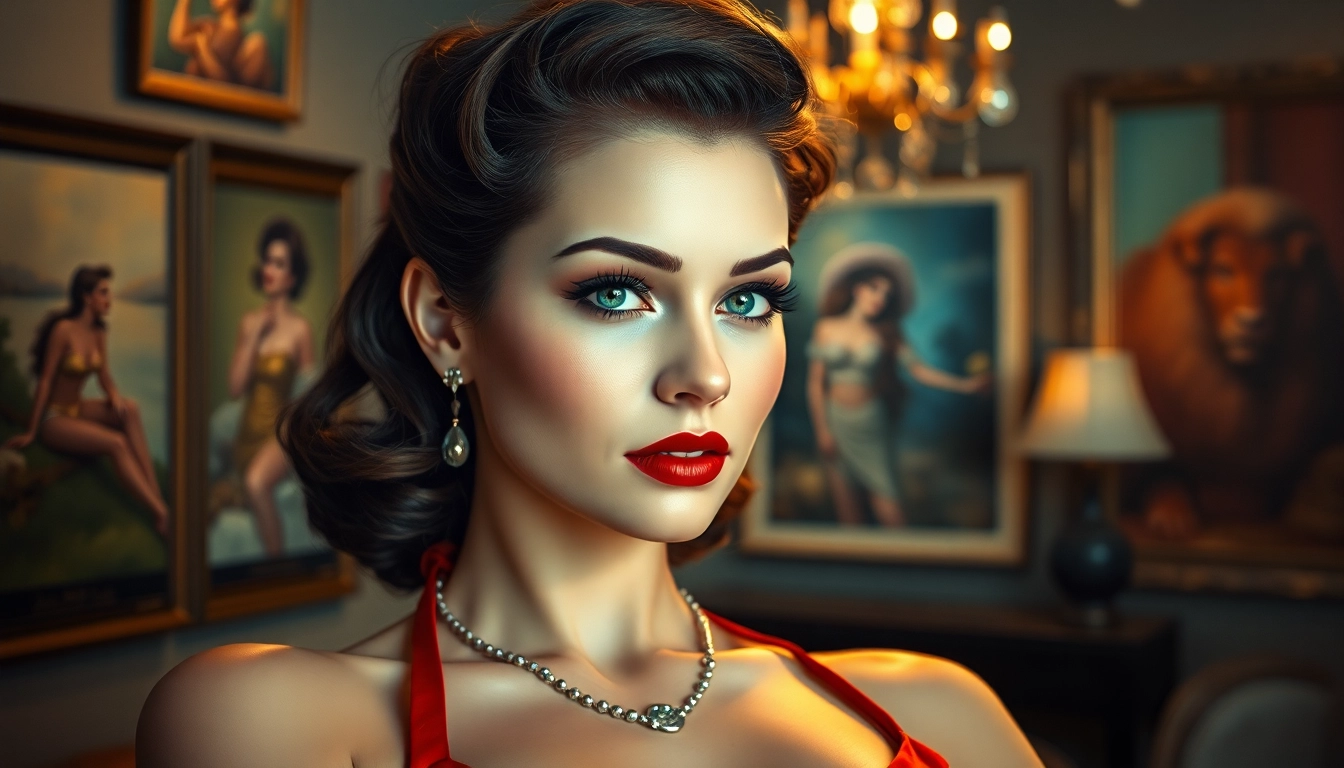
Understanding the Legacy of Varga Girls
The Varga Girls represent a classic ideal of feminine beauty and charm, intertwined with the golden age of illustration and popular culture. Famed for their role in https://www.esquirevargas.com, these alluring depictions are more than just beautiful pin-up illustrations; they symbolize a significant cultural moment that shaped the aesthetic sensibilities of a generation.
Defining the Varga Girl Phenomenon
The term "Varga Girl" is synonymous with the remarkable works of Alberto Vargas, a Peruvian-American artist whose pin-up paintings graced the pages of Esquire magazine during the 1940s. Characterized by their glamorous yet tasteful depictions of women, Varga's creations blend fantasy with a sense of accessible allure. These illustrations not only represented ideals of beauty but also resonated with the socio-political climate of the time, especially during World War II, where they provided a much-needed escape for soldiers and civilians alike.
Initially appearing in Esquire magazine, the Varga Girls quickly became cultural icons. Vargas's ability to fuse sensuality with elegance has led many to view his works as timeless representations of feminine grace. The Varga Girl phenomenon also marks an important departure from previous representations of women in art, encapsulating both empowerment and idealization.
The Artistic Elements Behind Varga's Work
Vargas's artistic style is distinctive and highly recognizable, characterized by several key elements that elevate his work beyond simple pin-ups. One of the most salient features of Varga's paintings is their use of color. Vargas skillfully utilized airbrush techniques to create smooth transitions and luminous skin tones, imbuing his subjects with a lifelike quality that captures the viewer's attention.
Moreover, the poses and expressions of the Varga Girls are carefully constructed to evoke a sense of intimacy and connection. Vargas embraced the human form in a way that celebrated curves and contours while maintaining an air of sophistication. This balance is a testament to Vargas's artistic prowess, setting him apart from his contemporaries.
Impact on Popular Culture and Art History
The impact of Varga Girls on popular culture and art history cannot be overstated. Vargas's illustrations influenced not only other artists but also advertising, fashion, and photography. His unique representations of beauty contributed to the formation of the modern pin-up girl archetype. In addition, Varga's work appeared in various media, paving the way for future generations of artists to explore themes of sexuality and femininity with greater authenticity.
In today’s lexicon, the term "Varga Girl" has transcended its original context to represent a broader spectrum of female representation in art and media. Varga’s blending of sex appeal with artistry continues to inspire, demonstrating the power of visual culture in shaping societal norms around beauty.
Exploring the Techniques Used in Varga's Illustrations
Vargas's execution of technique played a pivotal role in the success of his works. His methods have become subjects of study in art schools and workshops, highlighting their relevance even decades after their creation. Understanding these techniques can provide insights for both aspiring artists and enthusiasts alike.
Color Theory and Its Significance
Color theory is foundational in Vargas's artwork, playing an essential role in the mood and emotion conveyed through his pin-up illustrations. Vargas used a diverse palette to evoke different atmospheres, often choosing colors that complemented his subjects’ skin tones and featured backgrounds. The careful selection of hues creates a harmonious interaction between the subject and her surroundings, enhancing the overall aesthetic appeal of his work.
Moreover, Vargas often contrasted light and shadow to create depth, heightening the three-dimensionality of his illustrations. His strategic placement of colors generated a dynamic interaction, inviting viewers to engage more deeply with the subjects depicted.
Airbrushing: A Revolutionary Approach
The airbrush technique revolutionized the art of illustration, and Vargas was one of its early adopters. This method allowed him to create soft gradients and intricate details that traditional brushes could not replicate. The smooth finish achieved through airbrushing gave his works a polished and sophisticated look, an essential requirement for the glamorous personas represented in his illustrations.
This technique not only highlighted Vargas's skill but also contributed to the establishing of a unique identity within pin-up art. The ethereal quality of airbrushed paint enhanced the fantasy aspect of the Varga Girls, reinforcing their role as dream-like figures that captivated audience imaginations.
The Role of Composition and Perspective
Composition and perspective are critical elements in Vargas's illustrations, commanding attention and directing the viewer's eye throughout the artwork. Vargas expertly utilized various compositional formulas—such as the rule of thirds and leading lines—to construct visually pleasing layouts. His careful framing and positioning of subjects ensured that the viewer's gaze was drawn naturally to the focal points in each illustration.
Additionally, Vargas employed perspective to enhance intimacy, inviting viewers into the scenes he created. Whether the Varga Girls are portrayed lounging seductively or engaging in everyday activities, the careful manipulation of composition provides a connection, allowing viewers to immerse themselves in the fantasy of the artwork.
Where to Find Authentic Varga Art Today
As the demand for authentic Varga art continues to rise, enthusiasts are constantly searching for original pieces to add to their collections. Understanding where to find these artworks can be crucial for collectors and art lovers alike.
Online Marketplaces Featuring Vintage Pieces
The internet has transformed how collectors acquire artwork, and several online platforms specifically cater to vintage art enthusiasts. Websites like eBay and Etsy are known for listing original Varga pieces, including prints, calendars, and even original airbrush works. Each listing often contains a wealth of information, providing buyers with context regarding the piece's provenance, condition, and pricing.
Additionally, specialized auction houses frequently feature collections of pin-up art, including works by Alberto Vargas. These auctions offer an opportunity to acquire rare pieces that are otherwise difficult to find, and they often come with verified authentication, lending additional value to the purchase.
Art Galleries Showcasing Varga's Work
Several art galleries across the country host exhibits dedicated to pin-up art, featuring Vargas's iconic illustrations. These exhibitions allow visitors to appreciate the artistic nuances and depth of Varga's work up close, often accompanied by background information pertaining to his life and influence in art history.
Engaging with these exhibits can provide valuable insights that enhance one's understanding of Varga's artistry and its context within broader cultural movements. Art galleries also frequently host discussions and events that allow enthusiasts to connect with fellow collectors and experts, fostering a community around Varga's legacy.
Collecting Tips for Enthusiasts
For collectors, navigating the world of Varga memorabilia can be exhilarating yet overwhelming. Here are some essential tips for building an authentic collection:
- Research Thoroughly: Understand the history and significance of Varga's work. Familiarize yourself with the various pieces he created and the styles he employed.
- Check Provenance: Always verify the provenance of any piece you consider purchasing. Authentic items often come with documentation or third-party verification.
- Network with Other Collectors: Join online forums, attend exhibitions, and participate in discussions to grow your network in the collecting community.
- Be Cautious of Reproductions: With the popularity of Varga's work, reproductions are commonplace. Always ask for verification if purchasing from an unknown source.
The Varga Girl in Modern Media
The influence of the Varga Girl transcends the realm of art, permeating various aspects of modern media, including fashion, advertising, film, and digital platforms. Understanding this pervasive impact is vital for appreciating the legacy of Varga's work.
Influence on Fashion and Advertising
Vargas’s aesthetic continues to inspire fashion designers and advertisers who seek to encapsulate the alluring yet elegant characteristics of the Varga Girls. Fashion shows frequently feature collections that nod to mid-century glamor, reminiscent of Vargas's illustrations. Designers often incorporate flowing fabrics, bold colors, and feminine silhouettes that evoke the spirit of the Varga Girls.
In advertising, the idealized imagery pioneered by Vargas has become a powerful tool for branding campaigns that seek to convey ideas of beauty, desirability, and aspiration. Modern advertisements frequently draw upon the playful and flirtatious essence present in Varga’s art, solidifying his influence on contemporary marketing.
Representations in Film and Television
The allure of Varga Girls has also been adapted for screen, with multiple films and television series referencing the iconic imagery. These representations often evoke nostalgia, drawing on the pin-up culture of the 1940s and 1950s to illustrate stories set in those eras or to celebrate themes of femininity and empowerment.
Moreover, costume designers in film frequently reference Varga's illustrations when creating outfits for characters, using his color palettes and motifs to imbue scenes with a sense of historical authenticity and glamorous escapism.
Digital Interpretations in Contemporary Art
In the digital age, artists continue to reinterpret the Varga Girl motif, merging traditional techniques with modern technology. Many contemporary digital artists pay homage to Vargas by creating works that echo his style while incorporating contemporary themes and messages. This evolution demonstrates how Varga's influence remains relevant and adaptable to current artistic movements.
Social media platforms serve as a virtual gallery where these reinterpretations can gain exposure and appreciation, allowing new generations to engage with the timeless allure of Varga Girls in innovative ways.
Future of Varga Legacy and Modern Interpretations
As discussions surrounding gender, representation, and artistic integrity evolve, so too does the legacy of Varga Girls. The future of this iconic imagery lies in its ability to resonate with contemporary audiences while maintaining its historical context.
Reviving Vintage Aesthetics in New Artworks
The resurgence of vintage aesthetics in recent years has contributed to a revival of interest in Varga’s work. Modern artists are embracing elements of the past, including Vargas’s stylistic choices, to create contemporary pieces that reflect both nostalgia and modern sensibilities. This blending of old and new speaks to the enduring nature of Varga’s influence and the universal appeal of his artistry.
Art shows and fairs increasingly feature young talent inspired by Vargas, showcasing works that reinterpret the Varga Girl through fresh lenses while respecting the core elements that make these icons timeless.
Cross-Generational Appeal of Varga Girls
The cross-generational appeal of Varga Girls continues to draw in admirers from diverse backgrounds. Younger generations are discovering the charm of Vargas through various media, including social platforms, art publications, and community events. This renewed interest is fostering vibrant discussions surrounding femininity, beauty standards, and artistic expression.
Community workshops and outreach programs often include sessions on vintage pin-up art, allowing participants to explore the nuances of Vargas's techniques while embracing themes of empowerment and body positivity, helping cultivate a deeper appreciation for his legacy.
Engaging with Varga’s Legacy through Community Projects
Communities are increasingly recognizing the significance of Varga's contributions to art and culture. Collaborative projects that highlight his work encourage engagement with local artists and art enthusiasts, often leading to exhibitions, mural installations, or public art initiatives that celebrate pin-up art.
These community-based efforts not only promote dialogue about the implications of beauty standards and representation but also support local talent, creating opportunities for artists to connect with historical influences and incorporate them into their practice.
As long as artists and audiences remain curious and collaborative, the legacy of Varga Girls will continue to flourish, adapting to the needs and aesthetics of each new generation.