The Enigmatic Legacy of Egypt
Egypt, a land of timeless wonders and rich history, has captivated travelers and scholars for centuries. With its stunning pyramids, bustling markets, and vibrant culture, Egypt offers an unparalleled experience for those willing to explore its depths. For those intrigued by what Egypt has to offer, a great starting point is https://emegypt.net, which provides insights into this remarkable country.
The Historical Context of Egypt's Civilization
The history of Egypt is one of the most fascinating and multifaceted narratives in human civilization. It dates back to around 3100 B.C. when King Narmer unified Upper and Lower Egypt, marking the beginning of the dynastic period. The ancient Egyptians were pioneers in various fields such as mathematics, architecture, and medicine. Their profound understanding of astronomy and the annual flooding of the Nile River allowed them to devise an agricultural calendar, creating a civilization that thrived for millennia.
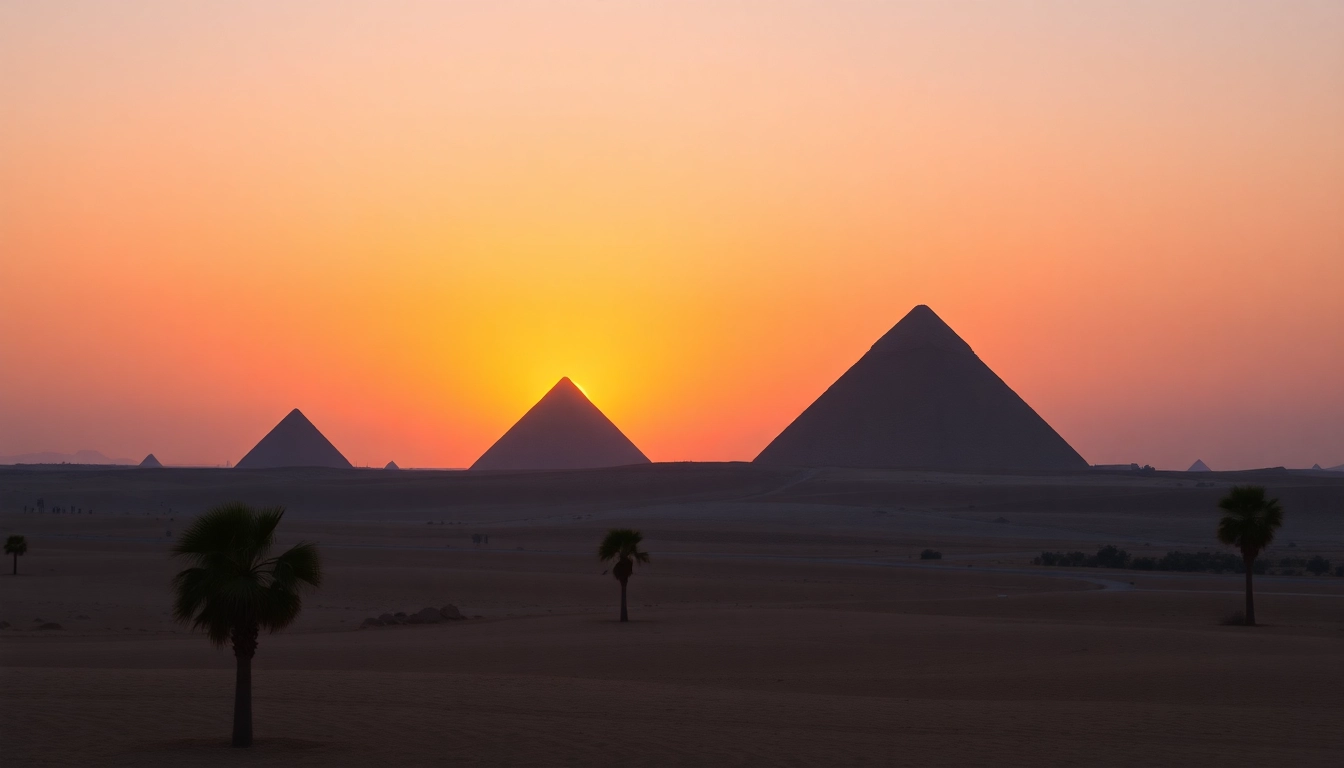
The construction of the pyramids, notably the Great Pyramid of Giza, stands as a monument to their architectural genius and social organization. Built as tombs for pharaohs, these impressive structures demonstrated the Egyptians' significant religious beliefs surrounding the afterlife. The Old Kingdom (circa 2686–2181 B.C.) was particularly marked by peace and prosperity, enabling this monumental building effort. Over the centuries, Egypt faced numerous challenges, including invasions, internal strife, and regime changes, yet it consistently rebounded, maintaining its cultural legacy.
Renowned Landmarks and Their Stories
Egypt is dotted with iconic landmarks, each steeped in history and mystery. Here are several renowned sites worth exploring:
- The Great Pyramids of Giza: The most iconic of Egypt's landmarks, the Great Pyramids were built during the Fourth Dynasty and serve as tombs for Pharaoh Khufu and his successors. The engineering prowess utilized in shaping these structures continues to astound modern architects.
- The Sphinx: This grand limestone statue with a lion’s body and a human head is believed to represent Pharaoh Khafre. The Sphinx guards the Giza plateau, telling stories of bravery and mystery as it gazes across the desert.
- Karnak Temple: Situated in Luxor, Karnak is the largest temple complex in the world, showcasing the architectural achievements of various pharaohs. Its grand halls and towering columns are a testament to ancient Egyptian religious devotion.
- Valley of the Kings: This royal burial site of pharaohs is famous for the tomb of Tutankhamun, which was discovered virtually intact. The Valley is adorned with intricate wall paintings that narrate religious texts and the journey to the afterlife.
- The Temples of Abu Simbel: These temples carved into a mountainside were commissioned by Ramses II and represent an awe-inspiring example of rock-cut architecture. The relocating of the temples in the 1960s to avoid floodwaters from the Aswan Dam is a remarkable engineering feat in its own right.
Understanding the Cultural Dimensions of Egypt
Egypt's culture is a tapestry woven from influences of different civilizations over millennia. The fusion of ancient traditions with contemporary practices enriches everyday life in Egypt.
The predominant religion in Egypt is Islam, which shapes customs, festivals, and community dynamics. The month of Ramadan, marked by fasting from sunrise to sunset, is celebrated with great fervor, emphasizing compassion, charity, and community bonding.
Additionally, traditional music and dance play an essential role in Egyptian culture. The rhythmic beats of folk music echo through local communities, while belly dancing showcases the skills of performers during festive occasions.
Family ties are strong in Egyptian society, where gatherings often center around mealtime and storytelling. Languages spoken include Arabic and various dialects, with rich literary traditions that date back to the Pharaohs. Egyptian literature, from hieroglyphics to contemporary works, reflects the country’s complex identity.
Traveling to Egypt: Essential Insights
Planning Your Journey to https://emegypt.net
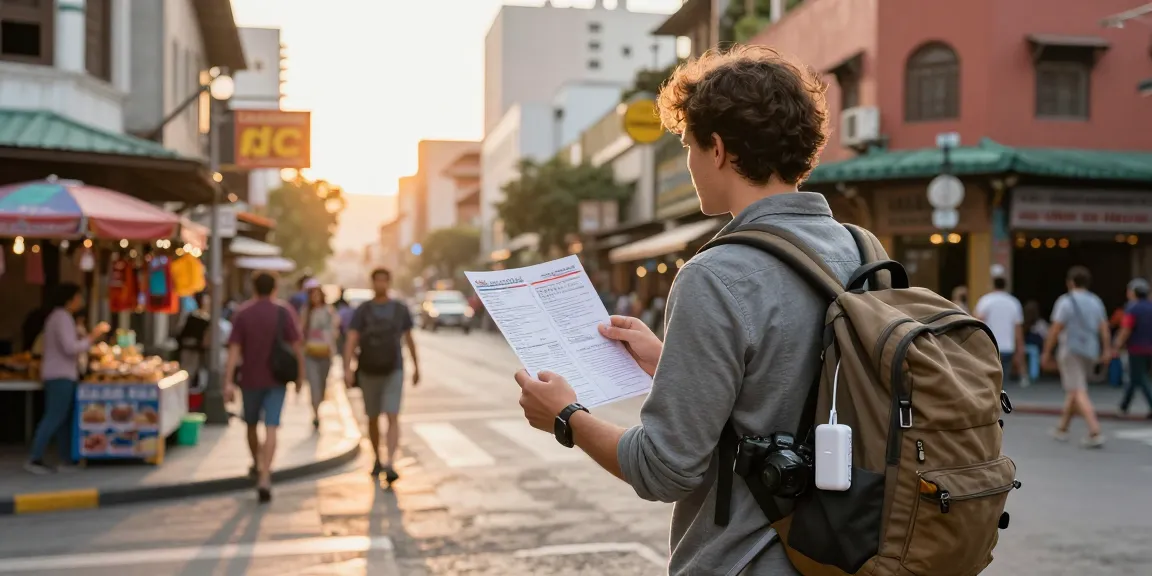
Traveling to Egypt can be an incredibly rewarding experience, but it requires careful planning. Whether you are drawn to the historical sites, the culture, or the natural beauty, there are essential factors to consider:
- Documentation and Visas: Most travelers will require a visa to enter Egypt. It’s crucial to check your country's entry requirements and secure the appropriate documentation before traveling.
- Best Time to Visit: While Egypt can be visited year-round, the best months are typically from October to April when the weather is cooler and more pleasant for sightseeing.
- Budgeting: Egypt is generally an affordable destination, but costs can vary significantly based on the type of accommodation, transportation, and activities planned. It is wise to budget for local guides to enhance your experience of key sites.
- Cultural Etiquette: Being aware of local customs, particularly regarding dress and interactions, can contribute to a more enjoyable experience. It is respectful to dress modestly when visiting religious sites.
Must-See Destinations Across the Country
While the iconic pyramids and Sphinx are often the main draws, Egypt offers numerous other fascinating destinations:
- Aswan: Explore the beautiful Nubian culture along the Nile River, visit the Aswan High Dam, and take a boat trip to Philae Temple.
- Luxor: Often referred to as the world’s greatest open-air museum, Luxor boasts incredible temples, tombs, and monuments, including Karnak and Luxor Temple.
- Cairo: The bustling capital city offers a variety of experiences from the Egyptian Museum, rich in artifacts, to vibrant bazaars and local cuisine.
- Siwa Oasis: Located in the Western Desert, Siwa is known for its stunning landscape, ancient ruins, and salt lakes. Engage with the unique Berber culture during your visit.
- Red Sea Resorts: The coastal towns of Sharm El Sheikh and Hurghada offer stunning beaches, vibrant coral reefs, and a variety of water sports for those looking to unwind or explore underwater ecosystems.
Tips for a Safe and Enjoyable Visit
Visiting Egypt can be a memorable experience with the right approach to safety and enjoyment. Here are some tips:
- Stay Updated: Keep informed about local conditions and travel advisories from your home country's government.
- Local Transportation: While taxis are plentiful, consider hiring a reputable driver for long-distance travel or guided tours to ensure safety.
- Travel Insurance: It is advisable to invest in good travel insurance that covers health and other emergencies to provide peace of mind during your trip.
- Hydration and Health: Stay hydrated, especially in warmer months. Being cautious with food choices can also help you avoid any stomach ailments.
Experiencing Egyptian Cuisine
Traditional Dishes You Must Try
Egyptian cuisine is a delightful amalgamation of flavors and ingredients shaped by history, geography, and culture. When in Egypt, be sure to taste:
- Koshari: A beloved street food, Koshari is a mix of pasta, lentils, rice, and topped with a spicy tomato sauce and chickpeas.
- Ful Medames: This hearty dish of stewed fava beans is often eaten for breakfast and topped with olive oil, garlic, and lemon juice.
- Mahshi: Stuffed vegetables, especially bell peppers and zucchinis, are filled with a savory rice and herb mixture, and then baked.
- Molokhia: A green soup made from the leaves of the jute plant, it’s often served with rice and chicken or rabbit and is a cultural staple.
- Baklava: A sweet dessert made from layers of paper-thin pastry, filled with nuts and honey syrup, showcasing the rich sweet tooth of Egyptians.
The Best Places to Eat in Egypt
When seeking to experience authentic Egyptian cuisine, consider dining at some of these well-regarded establishments:
- Abd El-Wahab (Cairo): Known for its delicious Lebanese and Egyptian dishes, it offers a breathtaking view of the Nile.
- Fish Market (Cairo): A renowned seafood restaurant famous for its fresh catches and delightful flavors.
- El-Wahy (Alexandria): Offers a beautiful waterfront view along with traditional Egyptian fare.
- Al-Azhar Park Cafés (Cairo): A picturesque spot where you can enjoy local food with stunning views of the city’s historic mosques.
- Sequoia (Cairo): A beautiful place on the Nile known for its upscale dining experience with a wide range of Egyptian and Mediterranean dishes.
Understanding Culinary Influences and Ingredients
The flavors of Egyptian cuisine have been influenced by the various cultures that have settled in the region over the centuries, including the Greeks, Romans, and Ottomans. Common ingredients include:
- Legumes: Beans, chickpeas, and lentils are staples in various dishes and provide essential protein.
- Herbs and Spices: Parsley, coriander, cumin, and garlic are commonly used to amplify the flavors of dishes.
- Cereals: Rice and wheat are foundational components throughout the culinary landscape, featuring in many traditional meals.
- Fruits: Dates, figs, and pomegranates hold prominence, providing natural sweetness to desserts.
Engaging with Egyptian Arts and Culture
Exploring Egypt's Rich Artistic Heritage
Egypt's artistic legacy is remarkably rich, encompassing a wide range of expressions from ancient monuments to contemporary art. Here’s a closer look at its artistic heritage:
Ancient Egyptian art was characterized by its symbolism and adherence to strict stylistic conventions. Temples and tombs were adorned with hieroglyphics, depicting not only the everyday life of the Egyptians but also their beliefs in the afterlife.
Contemporary artists have emerged over the years, drawing inspiration from their cultural roots while exploring modern themes. Exhibitions in galleries across Cairo, Alexandria, and Luxor showcase the work of local artists, where traditional and modern art coalesce.
Popular Festivals and Events Throughout the Year
Egypt hosts numerous festivals that celebrate its rich culture, heritage, and religious traditions:
- Sham El-Nessim: Celebrated on the Monday following Coptic Easter, this holiday marks spring and involves picnics and colorful decorations.
- Ramadan: The Islamic holy month involves fasting from dawn to dusk, culminating in Eid al-Fitr, a festive celebration filled with communal prayers, feasting, and giving.
- Phoenix International Festival: This annual festival focuses on various forms of art—music, dance, and theater—drawing performers from around the world.
- Cairo International Film Festival: Celebrating global cinema, this prestigious event showcases the best films from Arab and international filmmakers and offers a platform for budding talent.
Visiting Museums and Cultural Institutions
To appreciate Egypt's artistic and historical wealth, visiting its renowned museums is a must:
- The Egyptian Museum (Cairo): Home to an extensive collection of ancient Egyptian antiquities, including artifacts from King Tutankhamun’s tomb.
- The Coptic Museum (Cairo): Dedicated to Coptic art, this museum showcases pieces that reflect Egypt's Christian heritage.
- The Museum of Islamic Art (Cairo): Hosting the world's largest collection of Islamic art, it preserves and celebrates Islamic history.
- The Nubian Museum (Aswan): Focused on Nubian culture and heritage, featuring artifacts and exhibits reflecting the rich history of the Nubian people.
- The Alexandria National Museum: Housed in a restored Italian villa, the museum presents a phase of Egyptian history through artifacts from various eras.
Contributing to Sustainable Tourism in Egypt
The Importance of Responsible Travel
As tourism plays a crucial role in Egypt's economy, sustainable practices are essential. Responsible travel focuses on minimizing the negative impact on the local environment and benefiting communities. Tourists are encouraged to be culturally sensitive and respect local customs.
Supporting Local Communities and Economies
When visiting Egypt, choosing to engage with local businesses, artisans, and community-based projects can provide a direct benefit to the Egyptian economy. Purchasing handmade goods from local markets and participating in community tours can enhance your experience and support livelihoods.
How to Minimize Your Environmental Impact
Minimizing your environmental footprint while traveling is increasingly vital. Here are practical ways to do it:
- Use Reusable Water Bottles: Bringing your own weather-appropriate, reusable bottle can significantly reduce plastic waste.
- Respect Natural Areas: Stick to marked trails when exploring nature and avoid disturbing wildlife.
- Opt for Eco-Friendly Transportation: Consider using public transport or walking when possible to reduce carbon emissions.
By being mindful of our travel choices, we contribute to the preservation of Egypt's cultural and natural heritage for future generations.