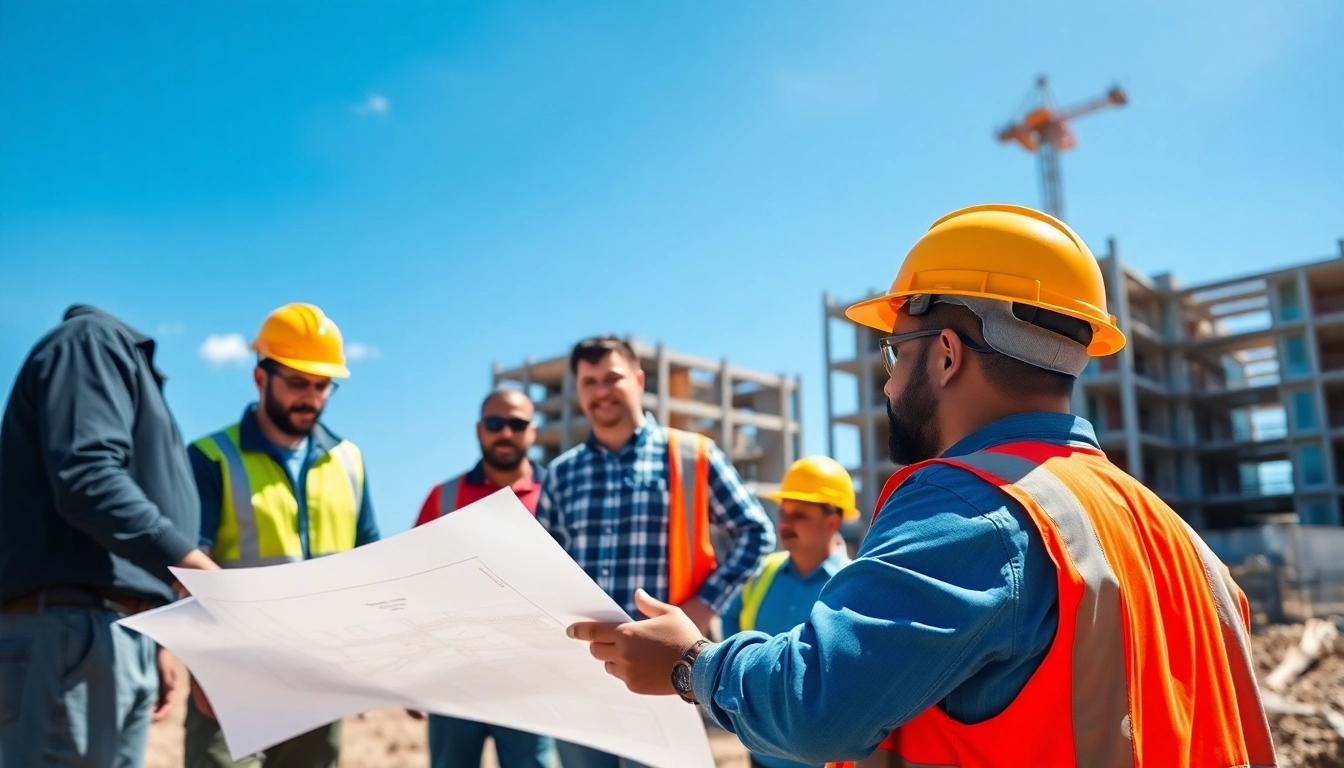
The Role of a New Jersey Commercial General Contractor
When embarking on any commercial construction project in New Jersey, the role of a New Jersey Commercial General Contractor becomes paramount. These professionals not only oversee the construction process but also play a critical role in ensuring that projects are completed on time, within budget, and to the necessary specifications. Understanding their responsibilities and the value they bring can significantly enhance business outcomes for organizations embarking on new construction or renovation projects.
Understanding Responsibilities and Services
A New Jersey Commercial General Contractor is responsible for multiple facets of a construction project. Their primary responsibilities include project management, budgeting, scheduling, and ensuring regulatory compliance. They act as the main point of contact between the client and all parties involved in the project, including subcontractors, suppliers, and architects.
Specific services often provided by these contractors encompass:
- Project Planning: Developing a comprehensive plan that includes timelines, budget forecasts, and resource allocation.
- Subcontractor Coordination: Managing subcontractors and ensuring they adhere to safety and quality standards.
- Quality Control: Implementing systems to check the quality of materials and workmanship throughout the construction process.
- Compliance Management: Ensuring all construction meets local building codes and regulations, thus preventing legal hassles.
- Client Communication: Keeping stakeholders informed on progress, setbacks, and changes in project scope.
Key Benefits of Hiring a Professional
Engaging a qualified New Jersey Commercial General Contractor offers numerous advantages. First, their expertise ensures projects are managed more effectively, ultimately leading to higher quality outcomes. Secondly, these professionals have established relationships with reliable subcontractors and suppliers, which can result in better pricing and service.
Additionally, a general contractor’s experience in navigating potential project pitfalls can save significant time and money. They bring a wealth of knowledge, learned from previous projects, which helps organizations avoid common mistakes that can derail progress. Furthermore, hiring a contractor can provide peace of mind, as they assume liability for the project, allowing companies to focus on their core operations.
How They Manage Project Timelines
Effective timeline management is crucial for any successful construction project. A skilled New Jersey Commercial General Contractor utilizes project management software to create detailed schedules. They allocate time frames for each phase of the project, from the initial groundwork to the finishing touches. Regular progress meetings with stakeholders help to ensure everyone is on the same page, and adjustments can be made when unforeseen delays occur.
Additionally, contingency planning is a core component of successful timeline management. By anticipating potential delays—such as adverse weather or supply chain disruptions—contractors can create buffer periods within the schedule to mitigate impacts on project completion dates.
Finding the Best New Jersey Commercial General Contractor
Locating the right New Jersey Commercial General Contractor for a project requires careful research and evaluation. The ideal contractor should possess a blend of experience, customer service skills, and a demonstrated ability to deliver projects on time and within budget. Here are key steps in the evaluation process.
Researching Local Options
Start by compiling a list of potential contractors in the New Jersey area. Online directories, industry associations, and local business reviews can be valuable resources for identifying qualified candidates. Consider utilizing networking opportunities, such as local business events and construction trade shows, to meet potential contractors and gauge their expertise firsthand.
Evaluating Experience and Expertise
Evaluate each contractor’s experience by reviewing their portfolio of completed projects. It’s essential to consider their specialization, as certain contractors may excel in specific types of commercial construction, such as healthcare, retail, or educational facilities. Look for evidence of adaptability in their projects, as this demonstrates their capability to handle diverse challenges.
Additional factors to consider include the contractor's communication effectiveness and problem-solving approach, as these qualities can significantly influence project success. Checking their licenses, insurance coverage, and bonding capabilities will also validate their professional standing.
Reading Client Reviews and Testimonials
Client feedback is crucial in assessing potential contractors. Reviews and testimonials illuminate a contractor's reliability and quality of work. Seek out client references and, whenever possible, visit completed projects to inspect the quality of the workmanship firsthand. Understanding a contractor's ability to manage relationships and resolve issues can be a deciding factor when making your selection.
Cost Considerations with New Jersey Commercial General Contractors
Cost plays a central role in the selection of a New Jersey Commercial General Contractor. Understanding cost structures, budgeting accurately, and knowing how to negotiate effectively are vital skills any business must develop before undertaking a construction project.
Estimating Project Budgets
Estimating a project budget begins with a detailed understanding of project scope, required materials, and labor costs. A reliable contractor will assist in preparing an itemized budget that includes all potential expenses, ensuring no unexpected costs arise during the project.
Components included in the project budget should cover:
- Labor Costs
- Materials and Supplies
- Permitting and Inspection Fees
- Contingency Funds
- Overhead Costs
Understanding Price Breakdown
Understanding the breakdown of costs can aid businesses in identifying competitive quotes and ensuring they’re getting value for their expenditures. It's advisable to request detailed estimates from potential contractors, breaking down costs by labor, materials, and other expenses. This allows for more informed comparisons and helps identify any hidden costs typically associated with construction projects.
Negotiating Contracts and Changes
When engaging a contractor, the negotiation of contract terms is critical. Contracts should outline responsibilities, timelines, payment schedules, and clauses for additional costs or project changes. An effective contractor will be transparent about potential cost fluctuations and will encourage open discussions about any adjustments to the project scope.
As changes arise during construction—a common occurrence in projects—it's important to have a clear process in place to manage these changes and related costs. Contracts should specify how these adjustments will be documented and how they will affect the overall project budget and timeline.
Common Challenges When Working with a New Jersey Commercial General Contractor
While hiring a New Jersey Commercial General Contractor can enhance the construction experience, challenges can still arise. Being aware of these potential pitfalls—and having strategies to address them—can lead to smoother project delivery.
Communication Gaps and How to Bridge Them
Effective communication is the linchpin of successful project management. Yet, misunderstandings can easily occur among team members, subcontractors, and clients. Establishing regular check-ins and updates ensures that everyone is aligned with ongoing progress and changes.
Employing project management tools that allow for shared access to schedules, documents, and progress reports can also bridge these communication gaps. Clear lines of communication should be established at the project's outset, detailing how often updates will be shared and what methods will be used—be it email, phone calls, or project management platforms.
Handling Unexpected Issues
No construction project is without its hurdles. Issues such as delays in material shipments, labor shortages, or unexpected site conditions can significantly impact timelines and budgets. Having an experienced contractor who knows how to pivot and solve problems swiftly is invaluable.
Developing a contingency plan that outlines steps to take when issues arise can alleviate some of the pressure. This could include identifying alternative suppliers, adjusting project schedules, or reallocating resources as necessary.
Ensuring Compliance with Local Regulations
Compliance with local regulations is another critical area where challenges can occur. Construction projects must adhere to numerous codes, zoning laws, and safety regulations. A seasoned New Jersey Commercial General Contractor will be familiar with these legal requirements and ensure that all documentation is in order.
To further minimize compliance risks, organizers should engage contractors who have established relationships with local officials and authorities. This can facilitate smoother inspections and accelerate the project approval processes, ultimately reducing delays.
Future Trends in New Jersey Commercial Contracting
The construction industry is evolving rapidly, influenced by new technologies, customer needs, and environmental considerations. Understanding these trends can help businesses remain competitive and future-focused in their approach to construction projects.
Embracing Sustainable Construction Practices
There is a growing emphasis on sustainability within the construction industry. Clients are increasingly looking for contractors who can provide environmentally friendly solutions and materials. Techniques such as using renewable resources, implementing energy-efficient systems, and prioritizing waste reduction during construction are becoming the norm.
Contractors who understand these principles can offer clients green building certifications, which not only appeal to environmentally conscious consumers but also can lead to long-term savings through reduced operational costs.
Impact of Technology on Project Management
Advancements in technology are transforming project management in construction. Tools such as Building Information Modeling (BIM), drones for surveying, and advanced project management software are optimizing the planning and execution of projects. These technologies enhance accuracy, improve communication, and increase efficiency throughout the construction process.
General contractors who integrate technology into their practices can significantly reduce errors and improve overall productivity, leading to better project outcomes.
Shifts in Customer Expectations
With a global shift towards customer-centric services, clients now have higher expectations regarding transparency, communication, and quality. Businesses must prioritize client engagement throughout the project lifecycle, ensuring that their needs and feedback are continually acknowledged and acted upon.
Regular updates, responsiveness to inquiries, and a commitment to client satisfaction can differentiate a contractor in a competitive market, ensuring long-term relationships and repeat business.