
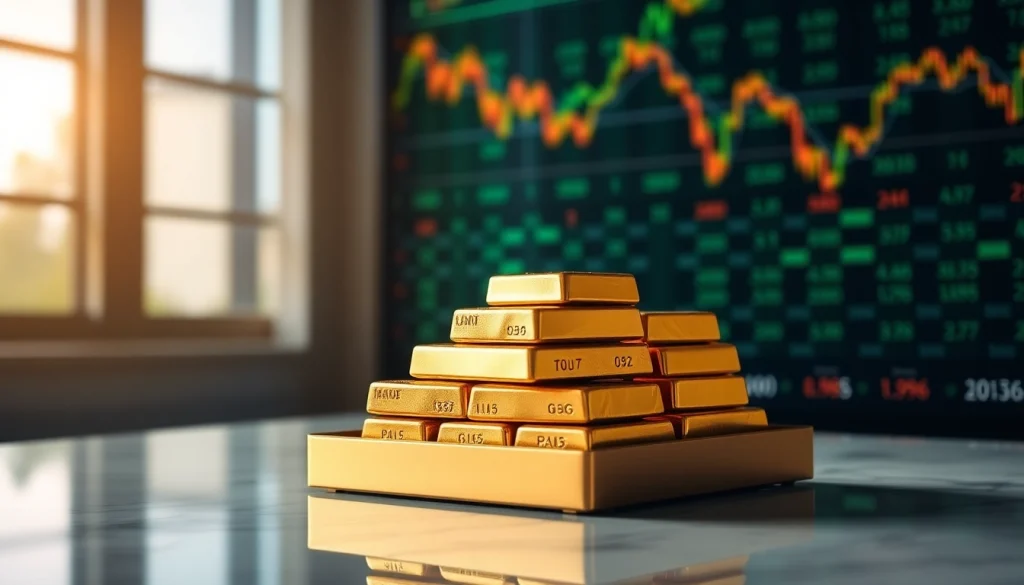
Gold has long been a symbol of wealth and a staple in investment portfolios. As a precious metal, its resonance goes beyond mere aesthetics; it serves as a hedge against inflation and a safe haven during economic uncertainty. Understanding the current gold price is crucial for investors looking to navigate this dynamic market. This article explores the myriad factors influencing gold prices, current trends, investing strategies, forecasting techniques, and answers to frequently asked questions about investing in gold.
What Influences the Current Gold Price?
Global Economic Indicators
The current gold price is significantly influenced by various global economic indicators. Elements such as GDP growth rates, employment figures, and trade balances provide insights into the overall health of major economies. For instance, a slowdown in economic growth typically raises the allure of gold as investors seek stability. Global events, such as geopolitical tensions or instability, can further amplify this effect as uncertainties drive investors toward safe-haven assets.
Inflation and Currency Fluctuations
Inflation is one of the primary drivers of gold prices. Generally, rising inflation erodes the purchasing power of currencies, making gold an attractive investment. When inflation expectations rise, so does the demand for gold, leading to higher prices. Additionally, fluctuations in currency values—especially the US dollar—have a crucial role. A weaker dollar usually results in higher gold prices, as gold becomes cheaper for investors holding other currencies.
Supply and Demand Dynamics
The fundamentals of supply and demand also govern the current gold price. Demand for gold is drawn from various sectors, including jewelry, dental applications, technology, and, most significantly, investment. On the supply side, gold extraction costs, mining output, and recycling rates all influence availability. If demand spikes while supply remains stable, prices may surge, demonstrating the delicate balance of these forces.
Current Gold Price Trends
Historical Perspectives
A historical perspective provides insight into the current trends in gold prices. Over decades, gold has undergone significant price shifts driven by various economic crises, such as the 2008 financial meltdown, which saw gold prices soar as investors flocked to safe-haven assets. By analyzing these historical trends, investors can identify patterns and potentially predict future movements. In recent years, the price of gold has been influenced by the COVID-19 pandemic, further solidifying its place within investors’ strategies.
Technical Analysis Methods
Technical analysis plays a vital role in understanding price trends. Investors typically use tools like moving averages, Relative Strength Index (RSI), and Bollinger Bands to gauge market momentum and potential reversal patterns. For instance, bullish signals, such as breakout patterns above resistance levels, can indicate where prices may head next. Familiarity with these technical analysis methods can help investors make informed decisions.
Market Sentiment and Speculation
Market sentiment heavily influences the current gold price, as fear and optimism can cause price swings. Traders often base their decisions on the prevailing market mood, reflecting broader investor psychology. Speculative trading in futures and options markets can exacerbate price volatility, particularly during uncertain economic times. Understanding market sentiment helps investors position their strategies effectively, whether to buy or sell.
Investing in Gold: Strategies and Considerations
Physical Gold vs. ETFs
Investors must choose between investing in physical gold—such as coins and bars—and gold exchange-traded funds (ETFs). Physical gold provides tangible ownership, but storing and insuring it can incur additional costs. ETFs, on the other hand, offer liquidity and lower fees, allowing investors to trade gold without handling physical assets. Each option has its advantages and disadvantages, and understanding these can guide investors in deciding the best fit for their investment strategy.
Long-Term vs. Short-Term Investments
Deciding whether to take a long-term or short-term investment approach is crucial. Long-term investors generally view gold as a hedge against inflation and currency risk, holding it during economic cycles. Short-term traders seek profit from price fluctuations, executing transactions based on market trends and indicators. Each strategy requires different skills, risk tolerance, and market knowledge, leading to distinct outcomes.
Understanding Gold Futures Market
The gold futures market allows traders to buy and sell contracts for gold at a set price for delivery in the future. This market can offer significant leverage, allowing investors to control larger positions with a smaller capital commitment. However, with leverage comes increased risk; thus, understanding market dynamics and pricing factors is essential for succeeding in gold futures trading.
Gold Price Forecasting Techniques
Fundamental Analysis
Fundamental analysis involves evaluating economic data, geopolitical threats, and market forces that impact gold prices. Analysts study trends in demand, supply chain disruptions, and inflationary pressures to predict where prices may move. By assimilating various economic indicators, investors can build a comprehensive picture of potential future gold price shifts, leading to more informed investment decisions.
Technical Chart Patterns
Technical chart patterns provide visual insights into potential future price movements. Patterns such as head and shoulders, double tops, and flags can indicate buying or selling opportunities. By recognizing these patterns, traders can anticipate potential deal-breakers or opportunities, adjusting their strategies to align with market forecast indicators.
Expert Predictions and Insights
Listening to insights from industry experts and analysts can enhance investment strategies. Many professionals offer forecasts based on comprehensive market analysis, providing different perspectives on price movements. While these predictions aren’t foolproof, incorporating expert insights can add value to your research and investment approach.
FAQs About Current Gold Price
What is the current gold price as of today?
The current gold price changes frequently according to market conditions and can be viewed online for the latest updates.
How does inflation impact the gold price?
Inflation typically drives up gold prices, as investors turn to gold as a hedge against declining currency values and purchasing power.
What are the different ways to invest in gold?
Investing in gold can be done through physical gold, gold ETFs, gold mining stocks, and gold futures contracts, each offering different risks and returns.
Why does demand fluctuate significantly?
Demand for gold fluctuates due to seasonal jewelry purchases, changes in global economic conditions, and investment demand influenced by market sentiment.
How can I safely store physical gold?
Physical gold can be stored safely in bank safety deposit boxes, home safes, or specialized storage facilities that ensure security and insurance options.