
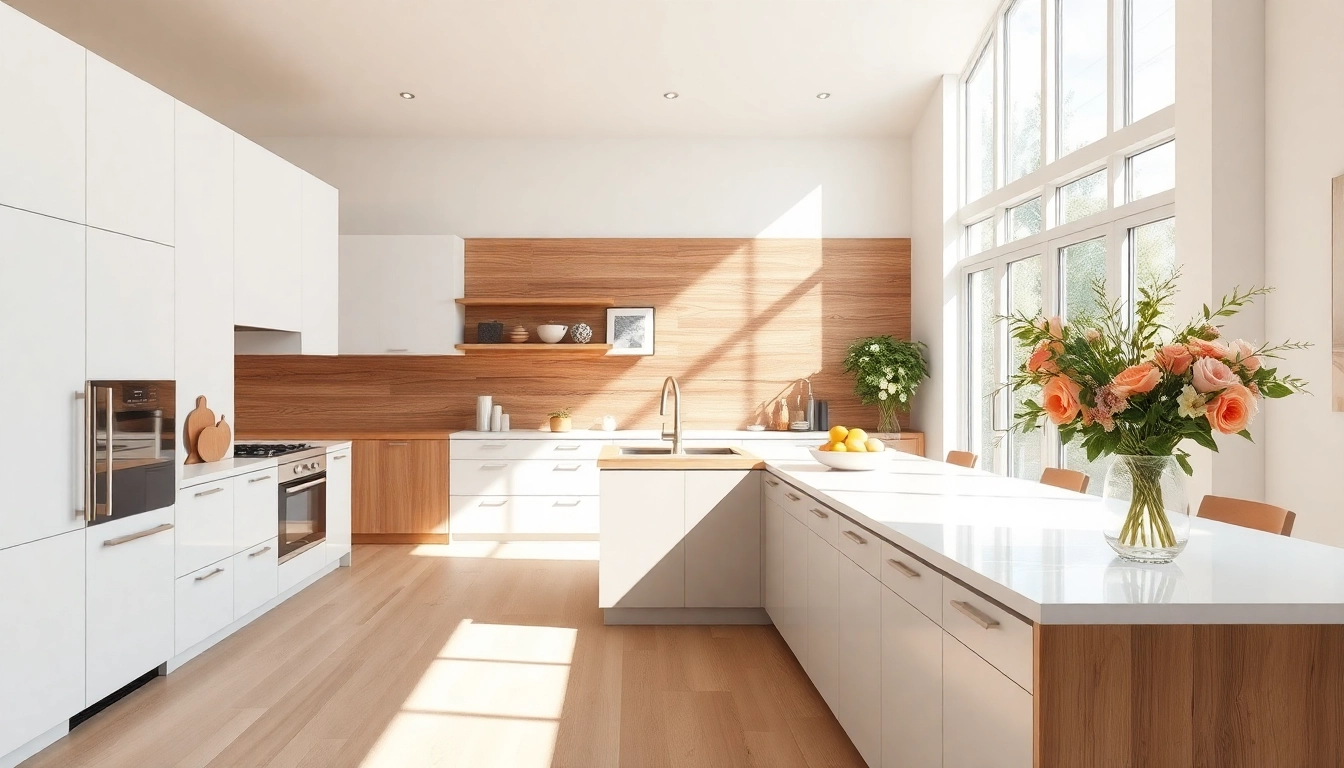

Understanding the Home Renovation Process
What is Home renovation?
Home renovation refers to the process of improving or altering an existing residential structure. This can involve anything from minor updates to major structural changes. The renovation process can enhance the aesthetics, functionality, and value of a home. Homeowners may choose to renovate their property for various reasons, including the desire for improved living space, updated aesthetics, or increased market value. Home renovation can encompass specific projects like kitchen remodels, bathroom upgrades, and additions, creating a personalized living environment that suits the family’s needs.
Benefits of Home renovation
There are numerous benefits associated with home renovation. Firstly, it enhances the comfort and functionality of the living space. An updated kitchen or bathroom can significantly improve the day-to-day experience of residents. Secondly, renovations contribute to increased property value. Homebuyers are often drawn to updated and well-designed spaces, which can lead to a higher selling price down the road.
Moreover, home renovation allows homeowners to create spaces tailored to their lifestyle. This can involve open floor plans, modern appliances, or energy-efficient fixtures and layouts. Eco-friendly renovations not only contribute to sustainability but also often result in lower utility bills. Furthermore, renovations can help maintain the structural integrity of a home, addressing essential maintenance issues like plumbing and electrical upgrades.
Common Mistakes to Avoid in Home renovation
While undertaking home renovations, it is crucial to navigate potential pitfalls effectively. One common mistake is failing to establish a realistic budget, leading to overspending and incomplete projects. Homeowners should ensure to account for all costs, including materials, labor, permits, and unexpected expenses.
Another frequent error is neglecting to plan for the renovation timeline. Underestimating the time required for various tasks can lead to delays and frustration. Additionally, skipping the research phase regarding contractors and materials can result in hiring unqualified help or purchasing low-quality supplies. It is advisable to thoroughly vet contractors and to seek multiple estimates before making decisions.
Planning Your Home Renovation Project
Setting a Realistic Budget for Home renovation
Creating a detailed budget is one of the most critical steps in the home renovation process. Begin by listing all aspects of the project, including materials, labor costs, permits, and design fees. It’s also essential to include a buffer for unforeseen issues that commonly arise during renovations, such as structural repairs or changes in project scope.
Engaging with a financial advisor or utilizing online budgeting tools can help homeowners stay on track. As the market fluctuates, being informed about labor and material costs helps in understanding market trends and making educated decisions on expenditures.
Creating a Design Plan for Home renovation
A carefully crafted design plan is vital for a successful renovation. This plan should align with the homeowner’s vision and be practical for the space involved. Start with concept sketches or inspiration boards, reflecting desired styles, themes, and functionalities. It’s advisable to prioritize essential renovations, assessing how each choice meets the homeowner’s long-term objectives.
Engaging a professional designer can add value to this phase, offering expertise in creating functional layouts and selecting materials. These specialists can also navigate local building codes and zoning regulations, ensuring compliance throughout the renovation process. Be sure to remain flexible, as changes may be necessary when the project begins, based on budget, structural concerns, or design developments.
Choosing the Right Contractors for Home renovation
Selecting the right contractors can significantly impact the success of the renovation project. Start by seeking recommendations from friends or colleagues who have undergone similar projects. Additionally, online platforms can provide reviews and ratings for local contractors.
Once a shortlist of potential contractors is created, it’s crucial to conduct interviews, request portfolios, and check references. Ask for written estimates and compare these documents not only on price but on what’s included in the service. Communication skills and professionalism during initial meetings often hint at the contractor’s reliability during the project.
Popular Home Renovation Trends
Eco-Friendly Home renovation Ideas
Eco-conscious renovation ideas have gained popularity among homeowners aiming to reduce their carbon footprints. Utilizing sustainable materials like reclaimed wood, bamboo, or recycled metals can diminish environmental impact. Moreover, energy-efficient appliances and fixtures are not only eco-friendly but save money on utility bills in the long term.
Implementing improved insulation and energy-efficient windows contributes to maintaining indoor temperatures without excessive energy use. Homeowners can also explore renewable energy options, such as solar panels, which can provide energy independence and further reduce reliance on non-renewable resources.
Modern Designs for Home renovation
Modern design trends often emphasize simplicity, clean lines, and open spaces. Minimalist and contemporary styles tend to create a sense of tranquility while maximizing functionality. In kitchens, open shelving, muted colors, and integrated technology are popular choices. Bathrooms that prioritize wellness, featuring spacious layouts and luxurious materials, have also seen an uptick in demand.
Homeowners are increasingly interested in incorporating smart home technology into their renovations. Systems that control lighting, temperature, and security contribute to energy efficiency and enhanced comfort. Design elements can be further enriched with local artwork or custom pieces that donate personality to the space.
Maximizing Space in Home renovation
Maximizing space is a key goal for many home renovations, especially in urban settings where square footage is at a premium. Techniques such as open-concept layouts can help create the illusion of space while enhancing aesthetic flow. Utilizing multi-functional furniture, such as foldable tables or storage ottomans, is an effective strategy for smaller spaces.
In addition to reconfiguring layouts, homeowners can benefit from vertical design solutions—like shelving or cabinets that extend to the ceiling. Expanding windows and incorporating natural light can also create a more open atmosphere, making both small and large spaces feel more inviting.
Implementing Your Home Renovation
Step-by-Step Guide to Home renovation
The implementation of a home renovation involves several essential steps to ensure the project flows smoothly. Initially, establishing a clear timeline is critical. Once contracts are signed, work can begin by preparing the site, which includes obtaining necessary permits, securing the area for safety, and arranging for demolition if applicable.
Once the initial demolition phase is complete, the contractor can commence the actual construction process—this could involve framing, plumbing, electrical work, and drywall installation. It is beneficial for homeowners to maintain regular communication with their contractor during this phase, seeking updates and addressing any concerns early. Preparing for disruptions to daily life is also vital, particularly if the renovation impacts key living spaces.
Important Permits Required for Home renovation
Many renovations require specific permits that ensure compliance with local building codes and regulations. Essential permit types may include building permits for structural changes, electrical permits for wiring, and plumbing permits for water-related modifications. Researching local regulations early on is critical to avoid delays. Homeowners should consult their contractors regarding what permits are necessary before commencing work.
Permits often involve submitting detailed plans for approval, which can add time to the renovation schedule. Understanding that these requirements differ by location will help homeowners stay organized and compliant with local expectations.
Finishing Touches in Home renovation
Once the main renovation work is complete, it’s time to add the finishing touches that turn a house into a home. This phase includes paint, flooring, hardware, trim, and decorative elements. Choosing paint colors that align with the desired aesthetic can significantly affect the overall feel of the space.
Additionally, incorporating personal touches and decorative items curated thoughtfully can complete the home’s new look. This includes selecting custom or unique furniture pieces to enhance the theme of the renovation. Homeowners should also consider landscaping and outdoor spaces, paying attention to curb appeal when the project concludes.
Measuring Success After Home Renovation
Evaluating Your Home renovation Results
After completing a renovation project, it’s essential to evaluate the results against the initial goals and objectives. Checklist evaluations can help homeowners identify if the renovations met expectations in terms of aesthetics and functionality. Gathering feedback from family members can further provide insights into use and satisfaction levels.
Additionally, seeking a post-project review with the contractor can help clarify any unresolved issues, allowing for possible adjustments or corrections. Documenting the process and final results can also be beneficial for future reference when planning any further renovations.
Increasing Home Value through Home renovation
One of the significant advantages of undertaking a successful home renovation is the potential to increase property value significantly. Trends show that key areas such as kitchens, bathrooms, and outdoor spaces yield the most substantial returns on investment. Homeowners should consider their local real estate market when deciding which projects to prioritize for value increase.
Moreover, renovations that incorporate modern technologies and eco-friendly features appeal to a growing demographic of buyers who prioritize sustainability and convenience. Investing in an updated and well-maintained home can boost a property’s appeal, attract potential buyers, and enhance bargaining power during negotiations.
Customer Feedback and Testimonials Post Home renovation
Post-renovation feedback plays a crucial role in understanding the renovation’s impact. Homeowners should take the time to solicit testimonials from everyone involved – contractors, family, and friends who have experienced the changes. Honesty in this feedback can assist in further refinements or improvements for future projects. Documenting positive testimonials can also assist in building a portfolio should homeowners consider future renovations.
Sharing experiences can contribute to a community knowledge base. Homeowners may choose to engage in online forums or local interest groups, sharing their successes and challenges during the renovation journey, creating a network of support and learning.