
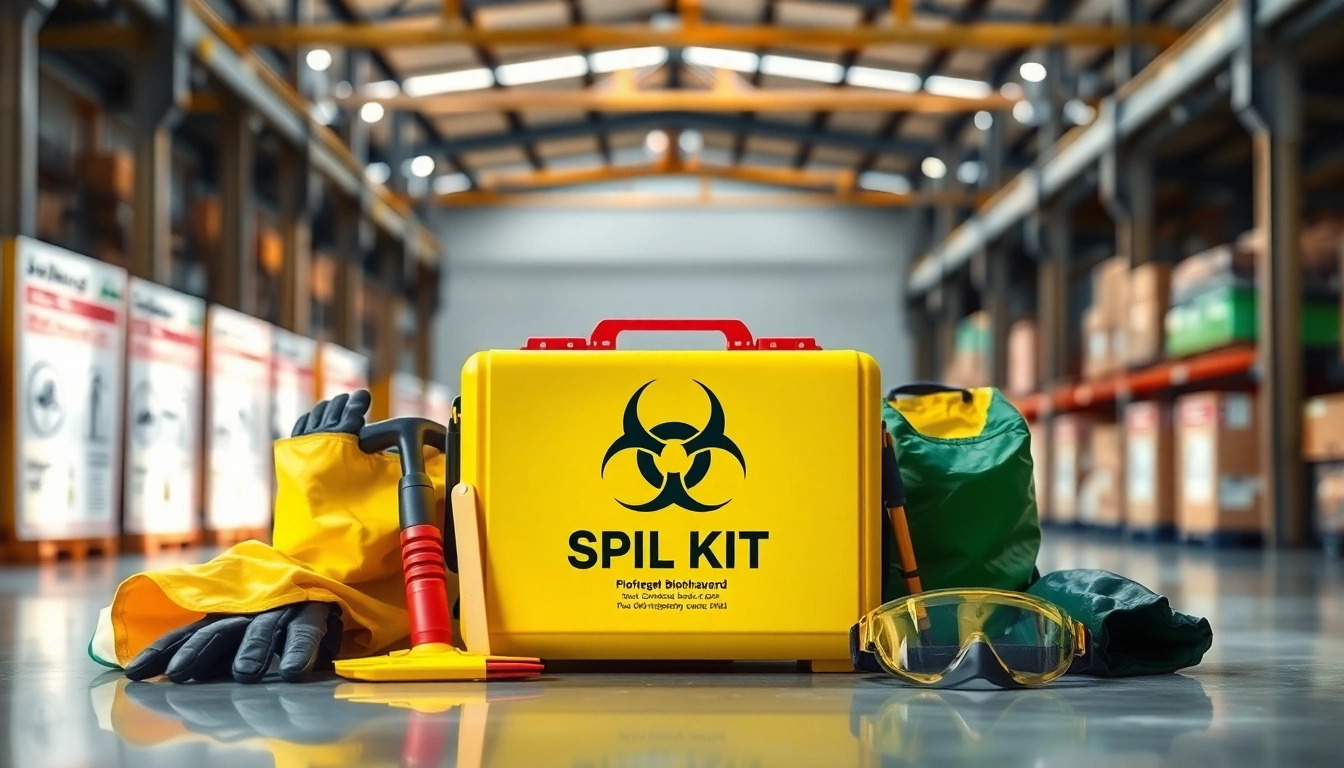

Understanding Biohazard Spill Kits
What is a Biohazard Spill Kit?
A biohazard spill kit is a specially designed collection of items and tools used to manage spills and accidents involving hazardous biological materials. These kits are essential for maintaining safety in environments where exposure to pathogens, chemicals, or bodily fluids can occur, such as hospitals, laboratories, and industrial settings. They typically come equipped with absorbent materials, personal protective equipment (PPE), and cleaning supplies tailored to neutralize and dispose of hazardous substances safely.
Why Every Workplace Needs One
Biohazard spills can pose severe risks to health and safety, making it imperative for every workplace to have a comprehensive response plan. These kits not only protect employees but also help mitigate legal and financial risks associated with accidents. Implementing a biohazard spill kit is a proactive measure that reinforces a company’s commitment to workplace safety. With the increasing focus on maintaining health standards, workplaces in Kenya need to be prepared by utilizing a biohazard spill kit Kenya.
Types of Hazards Addressed
Biohazard spill kits are designed to address various types of hazards, including:
- Bloodborne Pathogens: These spills require immediate attention due to the risk of transmitting diseases such as HIV and Hepatitis.
- Chemical Spills: Hazardous materials may include cleaning solutions and other chemicals that could cause harm.
- Biological Waste: This includes human tissues, fluids, and other biological materials that require secure handling and disposal.
- Environmental Contamination: Spills that can harm the surrounding environment must be contained and cleaned immediately.
Components of a Biohazard Spill Kit Kenya
Key Items in the Kit
Understanding the essential items included in a biohazard spill kit is critical for effective spill management. Typical components include:
- Absorbent Materials: Such as pads, booms, and granular absorbents designed to quickly soak up spills.
- PPE: Gloves, masks, and gowns to protect responders from exposure.
- Waste Disposal Bags: Biohazard bags marked for safe disposal of contaminated materials.
- Disinfectants: Chemical agents that aid in decontaminating the spill area
- Spill Response Manual: Instructions on how to use the contents of the kit and handle spills.
Importance of Quality Materials
Using high-quality materials in a biohazard spill kit improves safety and effectiveness during emergency responses. Quality absorbents ensure that spills are contained swiftly, while robust PPE minimizes the risk of contamination to the user. Investing in a reliable biohazard spill kit can save time and resources in the long run by preventing accidents from escalating.
Customizable Kits for Different Industries
Different industries face unique spill challenges, leading to the need for customizable kits. Healthcare facilities may focus on bloodborne pathogen management, while research laboratories might require kits specifically equipped for chemical spills. Tailoring the contents of a biohazard spill kit to specific industry needs enhances usability and efficiency during emergencies.
How to Use a Biohazard Spill Kit Effectively
Step-by-Step Guide to Spill Response
Effectively using a biohazard spill kit involves following a series of steps to ensure safety and thorough clean-up:
- Assess the situation: Quickly evaluate the spill and determine if it poses a risk to health or safety.
- Alert others: Notify colleagues and secure the area to prevent exposure.
- Don PPE: Put on gloves, masks, and other protective gear to safeguard against harmful substances.
- Contain the spill: Use the absorbent materials to surround and absorb the spill.
- Clean and disinfect: After the majority of the spill is removed, disinfect the area to eliminate any remaining contaminants.
- Dispose of waste: Safely dispose of all contaminated materials in biohazard bags.
- Report the incident: Document the spill and the response measures taken for future reference.
Safety Precautions During Use
When utilizing a biohazard spill kit, several safety precautions should be adhered to, including:
- Always wear appropriate PPE to minimize the risk of exposure.
- Ensure that the area is well-ventilated if working with chemical spills.
- Follow the instructions provided in the spill response manual.
- Evacuate the area if the spill is severe and poses a risk to health.
Post-Spill Clean-Up Processes
After a spill has been managed, it is crucial to conduct post-clean-up procedures, which involve:
- Cleaning and disinfecting the equipment used in the clean-up process.
- Restocking used items from the biohazard spill kit to ensure readiness for future incidents.
- Reviewing the spill response process and addressing any gaps or challenges encountered during the response.
Best Practices for Maintaining Your Kit
Regular Inspection Schedules
Establishing a regular inspection schedule for biohazard spill kits is essential. This should include checking for:
- Expiration dates on chemical agents and PPE.
- Completeness of items in the kit.
- Condition of absorbents and other materials.
Restocking Inventory After Use
After using items from your biohazard spill kit, it’s crucial to restock them immediately. Keeping an updated inventory ensures that the kit is always ready for emergency use. Develop a system for tracking which items are used and when restocks are needed.
Training Staff on Kit Usage
Training plays a pivotal role in effective spill management. Companies should conduct regular training sessions to familiarize staff with the location, contents, and proper usage of the biohazard spill kit. This ensures everyone knows their roles and responsibilities in an emergency.
Conclusion and Key Takeaways
Recap of Importance
Biohazard spill kits are critical tools in maintaining safety within the workplace. Their prompt and proper usage can mitigate severe health risks and ensure regulatory compliance. Understanding their components and the effective use is vital for any organization.
Future Trends in Spill Management
The future of spill management may see innovations such as biodegradable absorbents and smart kits that monitor inventory levels automatically. Digital solutions and enhanced training methods may also arise, ensuring workers are better prepared than ever.
Resources for Further Learning
For those seeking additional knowledge on biohazard management, numerous resources are available, including industry guidelines, safety organization publications, and certification courses designed to enhance workplace safety protocols.
Frequently Asked Questions
What should I include in a biohazard spill kit?
A biohazard spill kit should include absorbents, PPE, disposal bags, disinfectants, and a response manual.
How often should I inspect my spill kit?
Spill kits should be inspected regularly, ideally on a monthly basis, to ensure that contents are complete and materials are not expired.
Can I customize my biohazard spill kit?
Yes, biohazard spill kits can be customized based on the specific hazards present in your workplace.
What is the first step after a biohazard spill?
The first step is to assess the situation and notify others in the vicinity to secure the area and avoid exposure.
How do I dispose of used materials from a spill kit?
Used materials should be placed in designated biohazard disposal bags and handled in accordance with local regulations for hazardous waste.