
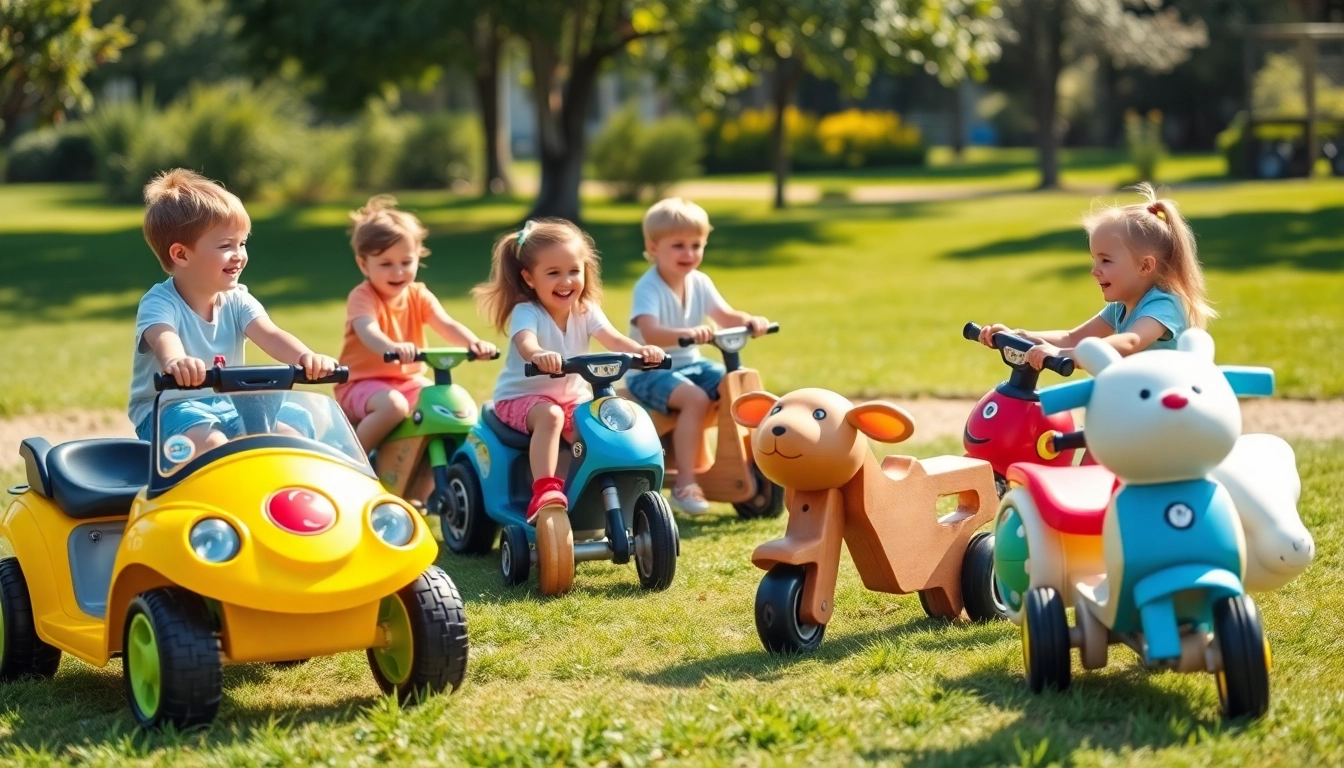

Understanding the Appeal of Ride On Toys
Ride on toys have become increasingly popular among children and parents alike. The thrill of riding, the independence it brings, and the chance to explore their surroundings foster a sense of adventure in kids. These ride on toys not only provide entertainment but also encourage active play, making them a favorite choice for outdoor fun and learning. In this comprehensive guide, we delve into the advantages of ride on toys, age appropriateness, safety considerations, and more to help you make informed decisions for your child’s playtime.
The Benefits of Playing with Ride On Toys
Ride on toys offer numerous benefits that cater to children’s physical and cognitive development. Here are some advantages:
- Physical Development: These toys promote balance and coordination, crucial skills for young children. As they push, pull, or sit on their ride on toys, they develop muscle strength in their legs and core.
- Encouraging Independence: Kids enjoy the freedom to navigate their environment. This independence fosters confidence and decision-making skills.
- Imagination and Creativity: Many ride on toys come with themes, such as cars or animals, allowing children to engage in imaginative play. They create scenarios and stories that enhance cognitive flexibility.
- Social Skills: When children play together on ride on toys, they learn valuable social skills, such as sharing, cooperation, and communication.
Age Appropriateness of Ride On Toys
Different models of ride on toys cater to various age groups, ensuring safety and enjoyment tailored to children’s developmental levels. Here’s a breakdown:
- 1-2 Years: For toddlers, ride on toys that are low to the ground with wide bases are ideal. These promote balance as children learn to walk and navigate.
- 3-5 Years: Preschoolers benefit from toys that can accommodate their fast-growing coordination skills. Options like small electric cars or larger push toys are suitable.
- 6 Years and Older: Older kids can handle more complex ride on toys, like go-karts or larger electric ride-ons that may have added features like remote controls.
Safety Considerations for Ride On Toys
Safety should always be a priority when selecting ride on toys. Here are some important safety considerations:
- Age Recommendations: Always adhere to the manufacturer’s age recommendations to ensure the toy is suitable for your child’s size and skill level.
- Proper Supervision: Particularly for younger children, adult supervision is crucial to prevent accidents and ensure safe play.
- Safety Gear: Encourage the use of helmets and knee pads, especially for toys that travel at higher speeds or have the potential for falls.
- Check for Stability: Ensure the ride on toy has a sturdy build and is designed to prevent tipping during use.
Types of Ride On Toys Available
The category of ride on toys is expansive, ranging from simple push toys to sophisticated electric vehicles. Understanding the different types can help parents make the right choice:
Electric Ride On Toys
Electric ride on toys are battery-operated vehicles that offer a mix of speed and fun, perfect for slightly older children. They typically come with features like:
- Speed Settings: Many electric toys allow users to choose from various speed options, catering to different skill levels.
- Remote Control: Some models come with parental remote controls that offer an added layer of security for younger children.
- Durability: Built for outdoor play, these toys are designed to withstand rough use.
- Realistic Features: Many electric ride ons come with additional features like lights, honking sounds, and even music, enhancing the play experience.
Traditional Manual Ride On Toys
Manual ride on toys require physical effort to operate, promoting active play among children. They include:
- Push Toys: Ideal for toddlers starting to walk, these toys encourage mobility and balance.
- Wheeled Toys: Options like scooters or tricycles challenge children’s coordination while engaging in physical activity.
- Animal-Shape Ride-Ons: These whimsical models encourage imaginative play as children pretend they’re riding different animals.
The Latest Trends in Ride On Toys
Technology has introduced innovative trends within the ride on toy category, making them more exciting and interactive:
- Smart Features: Some modern ride on toys feature Bluetooth connectivity, allowing kids to connect their devices to play music while riding.
- Eco-Friendly Options: As sustainability becomes a focus, more manufacturers are producing ride on toys made from recycled materials or that use electric power efficiently.
- Customizable Designs: Several brands now offer customizable ride on toys, letting kids choose colors, decals, or themes based on their preferences.
- Interactive Apps: Certain electric ride on toys come with apps that provide educational games or additional play features linked to the toy.
Choosing the Right Ride On Toys
Choosing the right ride on toys involves considering various factors to ensure safety, fun, and developmentally appropriate options for your child. Here’s how:
Key Features to Look For
When selecting ride on toys, consider the following key features:
- Size and Weight Limit: Ensure the toy fits your child’s size while also accommodating their weight to enhance safety.
- Material Quality: Look for durable materials that can withstand wear and tear, as well as exposure to the elements if used outdoors.
- Battery Life: For electric toys, check the battery’s capacity to ensure it meets your child’s playtime expectations.
- Safety Features: Features like seat belts, sturdy handles, and wide bases contribute to safer use.
Assessing Quality and Durability of Ride On Toys
Purchasing a high-quality ride on toy can have long-term benefits. Here are aspects to evaluate:
- Brand Reputation: Research brands known for their quality and durability to find reliably built options.
- User Reviews: Reviews provide insights on performance, safety, and longevity from other parents’ experiences.
- Return Policy: Check if the retailer offers a customer-friendly return policy in case of defects or poor fit.
Price Ranges for Ride On Toys
Prices for ride on toys can vary significantly based on features, size, and brand. Here are general price ranges:
- Budget Models: Basic manual ride on toys can be found for as low as $30 to $50, ideal for toddlers.
- Mid-Range Options: Electric ride on toys or higher-end manual options generally range between $100 to $300.
- Premium Models: High-quality, feature-rich electric ride on toys can start from $400 and go up significantly, depending on the brand and features.
How to Maintain Your Ride On Toys
Proper maintenance of ride on toys can extend their lifespan and ensure they remain safe and fun. Here are essential maintenance tips:
Cleaning and Care Tips for Ride On Toys
Keeping the ride on toys clean is vital for their longevity. Follow these steps:
- Regular Wipe Down: Use a damp cloth to remove dirt or spills, avoiding harsh chemicals that could damage the material.
- Check Wheels and Battery: Regularly inspect the wheels for any wear and tear. Ensure electric models’ batteries are charged and functioning.
- Store Properly: When not in use, keep the toys indoors or covered to protect them from elements and prolong their life.
Common Repairs for Ride On Toys
Repairs might be necessary as toys endure regular wear. Common repairs include:
- Wheel Replacement: If wheels become damaged, replacement parts are often available from manufacturers.
- Battery Issues: If the toy isn’t charging or running as expected, check if the battery needs replacement.
- Loose Screws: Regularly checking and tightening screws can prevent accidents and ensure safety.
Ensuring Longevity of Ride On Toys
To prolong the life of ride on toys, consider these tips:
- Limit Outdoor Use: While enjoyable, frequent outdoor use can lead to wear. Alternating between indoors and outdoors can help.
- Annual Inspections: Conduct a yearly check of the toy to assess any damage or necessary repairs that can be addressed early.
- Teach Proper Use: Educate children on appropriate play and handling to prevent accidents and damage.
Frequently Asked Questions about Ride On Toys
What age are ride on toys appropriate for?
Ride on toys are typically suitable for children aged 1 to 10 years, but always check manufacturer guidelines for specific age recommendations.
How fast do electric ride on toys go?
Speed varies by model; most electric ride on toys can reach speeds between 2 to 6 mph, making them safe for young riders.
Are ride on toys safe for toddlers?
Yes, as long as they are age-appropriate and designed with safety features like wide bases and low centers of gravity.
How can I charge electric ride on toys?
Charging usually involves connecting the included charger to the toy’s battery. Follow manufacturer instructions for proper charging procedures.
What are the best ride on toys for outdoor play?
Durable electric cars, pedal cars, and sturdy tricycles are excellent choices for outdoor play due to their resilience and engaging features.