
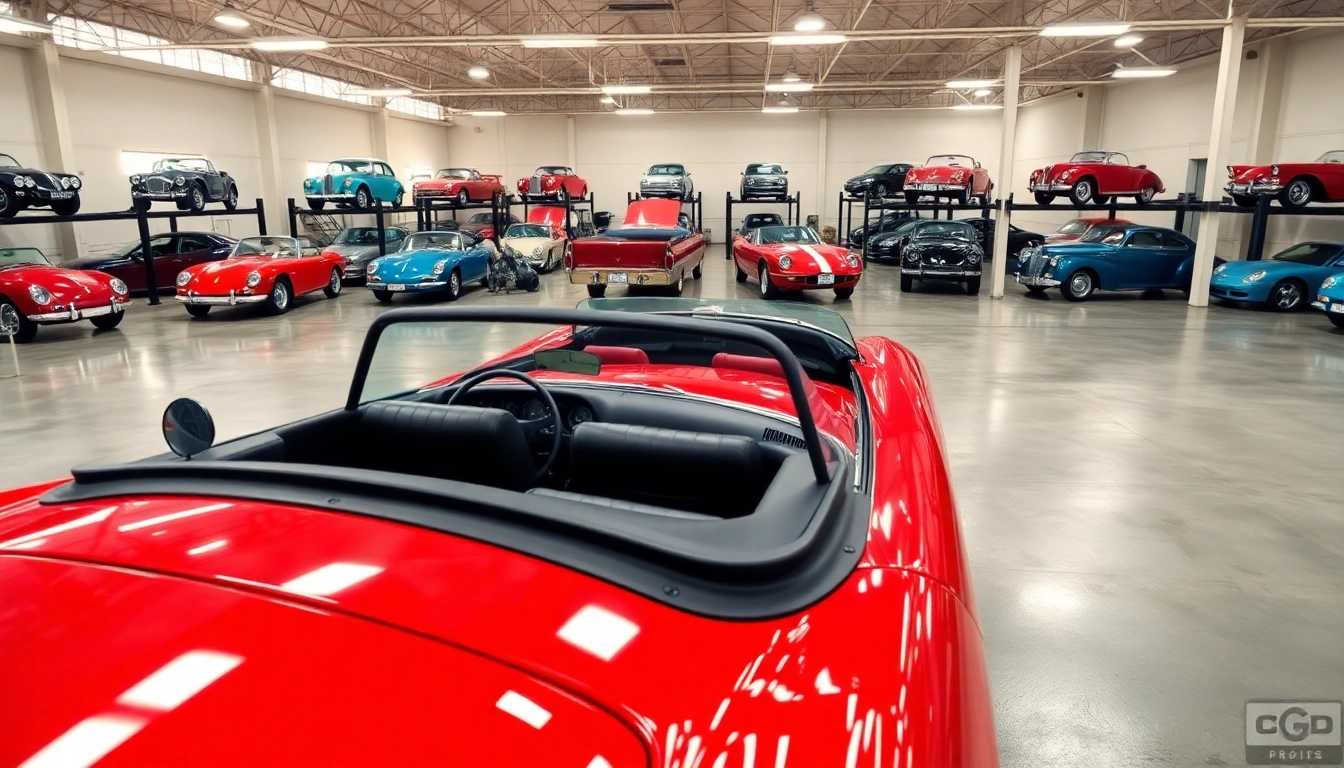

Understanding Classic Car Storage Options
Owning a classic car is a source of pride for many enthusiasts, but preserving its condition can be a challenge, particularly when it comes to classic car storage. Whether you are looking to store your vehicle for a season or several years, understanding the best options available is essential. In this article, we will explore various storage solutions, their benefits, and important considerations to ensure your classic car remains in pristine condition.
Benefits of Classic Car Storage
Storing your classic car properly is crucial for safeguarding its value. Classic car storage offers several benefits, including:
- Protection from the Elements: Consistent exposure to weather conditions can lead to rust, fading paint, and overall deterioration. Storage mitigates these risks.
- Enhanced Security: Utilizing a dedicated storage facility can provide enhanced security features, reducing the risk of theft or vandalism.
- Insurance Premium Considerations: Some insurance providers offer reduced premiums for vehicles that are stored properly, thus managing costs effectively.
- Peace of Mind: Knowing your classic car is housed safely can provide emotional comfort and support the enjoyment of the vehicle during usage times.
Types of Classic Car Storage Solutions
There are several types of storage solutions available for classic car owners, each with its own advantages and disadvantages:
- Private Garages: If you have a personal garage, this can serve as an effective storage spot. However, ensure that it is climate controlled and secure.
- Self-Storage Units: These can be cost-effective but choose units that offer climate control, which is necessary for maintaining optimal conditions.
- Specialized Classic Car Storage Facilities: These facilities provide tailored services, including climate control, security, and maintenance options.
- Outdoor Storage: While economical, storing cars outdoors is not recommended for classic vehicles due to exposure to weather and potential theft.
Choosing the Right Storage for Your Vehicle
When selecting a storage solution, consider factors such as climate control, cost, security features, and the accessibility of your classic car. Conduct thorough research and potentially schedule visits to facilities to assess their suitability.
What to Consider Before Storing Your Classic Car
Space and Environmental Factors
The storage environment can significantly affect the longevity of your classic car. Key considerations include:
- Temperature Regulation: Ideal storage temperatures range between 60-70°F. Extreme temperatures can harm your vehicle’s materials.
- Humidity Control: Aim for humidity levels around 40-50% to mitigate rust and mold growth.
- Space: Ensure there is adequate space for easy vehicle access and prevent accidental damage when moving other items around.
Security Features to Look For
Security is a top concern when storing a classic car. Essential features to consider include:
- CCTV Surveillance: A facility with a comprehensive camera system can deter theft and damage.
- Individual Alarms: Personal alarms linked to your vehicle can provide an additional layer of security.
- Gated Access: Facilities with controlled entry points limit access to authorized individuals only.
- Insurance Options: Look for facilities that offer insurance policies to cover your vehicle during storage.
Insurance Considerations for Classic Cars
It’s crucial to secure appropriate insurance for your classic car even while in storage. Insurers often provide specific policies tailored for classic vehicles, which cover unique risks. Be proactive in reviewing your coverage options to ensure comprehensive protection.
Best Practices for Preparing Your Car for Storage
Cleaning and Maintenance Before Storage
Before putting your vehicle into storage, thorough cleaning and maintenance should be conducted:
- Wash and Wax: A complete wash prevents dirt and contaminants from damaging the paint. Wax provides an additional protective layer.
- Interior Cleaning: Vacuum and clean the interior to avoid mold and odor. Using moisture absorbers can also help.
- Check Tire Pressure: Ensure tires are adequately inflated to avoid flat spots during storage.
Proper Fuel and Fluid Management
Addressing fuel and fluid levels is vital before storage:
- Fuel Stabilizer: Add a fuel stabilizer to your gas tank to prevent the fuel from deteriorating.
- Fluid Levels: Ensure all fluids (oil, coolant, brake fluid) are topped off to prevent moisture buildup.
- Battery Maintenance: Disconnect your battery or use a battery maintainer to keep it charged during storage.
Protective Measures Against Dust and Moisture
Implement protective measures to shield your classic car from dust and moisture while in storage:
- Covers: Invest in a breathable car cover to protect against dust while allowing moisture to escape.
- Dehumidifiers: Utilize dehumidifiers in your storage space to control humidity levels effectively.
- Ventilation: Ensure your storage area has good airflow to reduce moisture build-up.
Monitoring Your Classic Car During Storage
Periodically Checking Your Vehicle
Regular check-ups on your classic car while it’s in storage are essential:
- Visual Inspections: Conduct visual checks for signs of moisture, rust, or any critter activity.
- Battery and Tire Check: Inspect the battery and tire pressure every 4-6 weeks to ensure they remain in optimal condition.
- Start the Engine: If possible, start the engine occasionally to keep the components lubricated.
Signs of Potential Issues to Watch Out For
Monitoring for signs of potential issues can prevent more significant problems:
- Moisture Accumulation: Condensation can accumulate, leading to rust. Address moisture concerns promptly.
- Unusual Odors: Foul smells may indicate fuel or fluid leaks, which need immediate attention.
- Exterior Damage: Look for signs of scratches or dents caused by improper storage conditions.
Ensuring Optimal Climate Control
Ensure that your classic car storage location maintains a constant, cool and dry environment. Climate-controlled spaces help protect against temperature and humidity fluctuations that can lead to degradation.
Frequently Asked Questions about Classic Car Storage
What is the best environment for classic car storage?
Ideal classic car storage is dry, climate-controlled, and free from direct sunlight to prevent damage.
How often should I check on my stored classic car?
It’s recommended to inspect your vehicle every 4-6 weeks to check for issues like moisture and battery health.
What are must-have features in a classic car storage facility?
Look for security measures like cameras and alarms, climate control for temperature and humidity, and insurance options.
Should I keep my classic car insured while in storage?
Yes, maintaining insurance protects your vehicle from unforeseen events while it’s being stored.
Can I store my classic car in a self-storage unit?
Yes, but ensure the unit meets climate control and security standards suitable for classic car storage.