
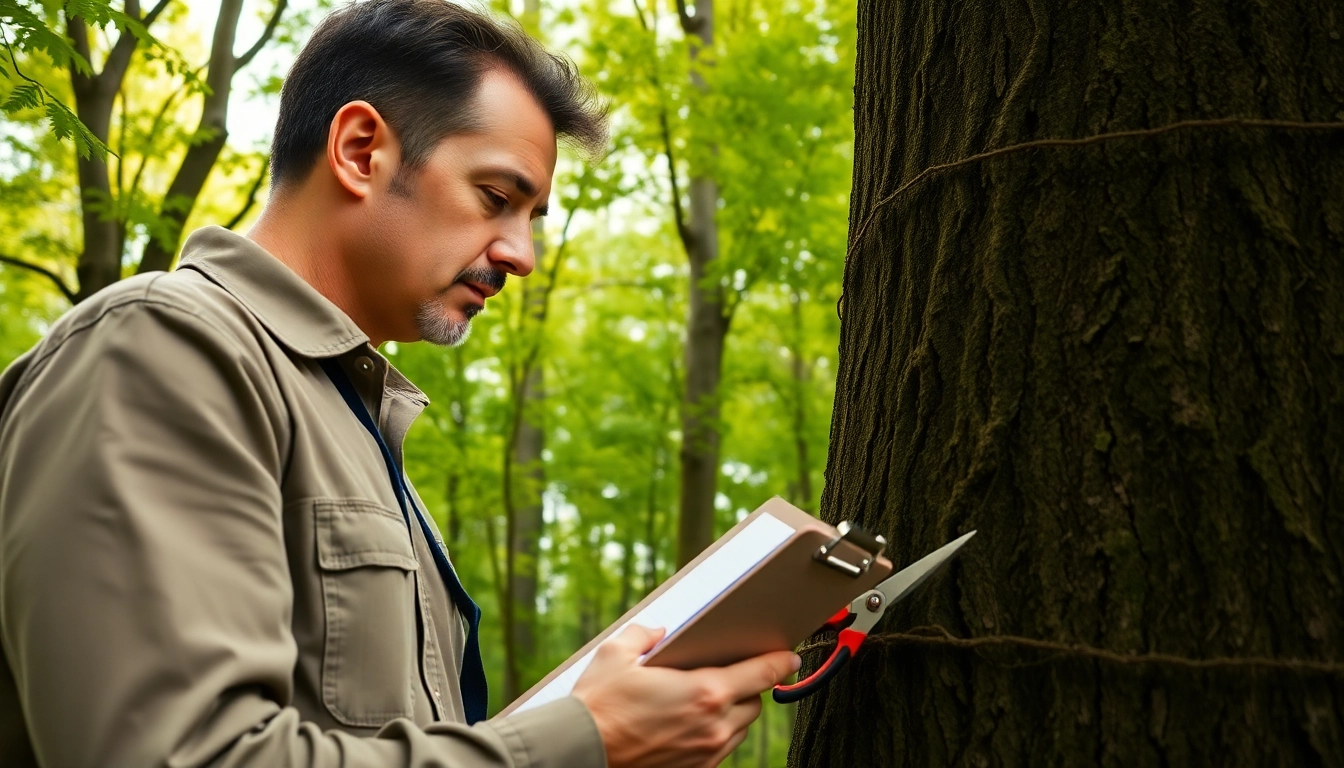

Understanding the Importance of Tree Consultancy
Trees are vital to our ecosystem, offering numerous benefits, from providing oxygen to enhancing property aesthetics. With their intrinsic value, understanding how to maintain and care for them becomes paramount. This is where the expertise of Tree Consultancy comes into play. Through professional insights and tailored maintenance plans, tree consultants help ensure the well-being of your trees and enhance their overall health.
What is Tree Consultancy?
Tree consultancy encompasses a range of services provided by qualified professionals who specialize in arboriculture. These experts often hold relevant certifications and are well-versed in tree biology, pest management, disease identification, and structural integrity. Their goal is to offer comprehensive assessments and actionable recommendations for maintaining tree health, managing risks, and taking preventive measures against future problems. Whether it’s performing a thorough health inspection or creating a long-term maintenance plan, tree consultancy plays a significant role in the sustainable management of green spaces.
Key Benefits of Professional Insight
Engaging a tree consultancy service offers numerous advantages:
- Expert Diagnosis: Tree consultants can accurately diagnose diseases and assess tree health, ensuring that you tackle issues promptly.
- Risk Management: Identifying hazardous trees helps prevent accidents and liabilities associated with falling branches or uprooted trees.
- Enhancing Biodiversity: Professionals help in maintaining biodiversity by advising on proper species selection and tree placement, which can support local wildlife.
- Informed Decision-Making: With comprehensive evaluations, property owners can make informed decisions regarding tree removal, preservation, or planting new trees.
- Compliance with Regulations: Tree consultants can guide you through local regulations regarding tree preservation and management.
When to Seek Tree Consultancy Services
There are several situations in which consulting a tree expert is beneficial. Homeowners should consider seeking professional help when:
- There are visible signs of disease or decay.
- Tree limbs are threatening structures or power lines.
- Planning for landscaping or tree planting.
- New construction plans require tree relocation or preservation evaluation.
- After severe storms, to assess damage and necessary interventions.
Common Tree Issues and Their Solutions
Identifying Tree Diseases
Tree diseases can be caused by various factors, including fungi, bacteria, viruses, or environmental stressors. Symptoms such as wilting, leaf discoloration, or visible growths can indicate underlying issues. Regular health assessments are crucial, allowing consultants to recognize disease patterns early. Some common tree diseases include:
- Anthracnose: A fungal disease leading to leaf spots, which can be managed through proper care and fungicide applications.
- Oak Wilt: A deadly disease affecting oak trees, necessitating immediate tree removal and preventative treatment of neighboring trees.
- Powdery Mildew: This fungal infection results in a white powdery coating on leaves and may require fungicides for treatment.
Pest Management Strategies
Various pests can threaten tree health, including insects such as aphids, beetles, and caterpillars. A tree consultancy can assist in developing integrated pest management strategies. Effective techniques include:
- Regular Inspections: Regular checking of trees for early signs of infestation helps in prompt action.
- Biological Control: Introducing beneficial insects that prey on harmful pests can reduce populations naturally.
- Pesticide Application: Targeted pesticide application by professionals can effectively manage severe infestations.
Addressing Structural Weaknesses
Trees with structural weaknesses may pose risks, including falling branches. Common indicators include cracks in the trunk, poor branch angles, or decay. A tree consultant can recommend:
- Bracing and Cabling: Supports can alleviate stress on damaged trees, preventing further injury.
- Selective Pruning: Removing specific limbs to reduce weight and improve balance can enhance tree stability.
- Root Assessment: Evaluating root systems to detect diseases or conditions that may compromise stability.
Best Practices for Tree Maintenance
Regular Health Assessments
Consistent health assessments are vital in nurturing trees. Engaging a consultancy service for annual inspections ensures early detection of problems. An assessment typically involves:
- Visual inspection of tree canopies and trunks.
- Soil tests to gauge nutrient levels.
- Assessment of surrounding landscapes for factors affecting growth.
Seasonal Care Tips
Each season offers unique challenges and opportunities for tree care. Here are critical seasonal tips to enhance tree health:
- Spring: Fertilize trees as they begin to bud, ensuring nutrient-rich growth.
- Summer: Monitor for pests and diseases, and ensure adequate watering, especially in drought conditions.
- Autumn: Clear fallen leaves and debris to prevent diverse diseases and pests.
- Winter: Protect young trees from harsh temperatures and heavy snow by wrapping trunks and branches.
Pruning Techniques to Enhance Growth
Proper pruning is essential for promoting healthy growth and maintaining aesthetic appearance. Essential techniques include:
- Thinning: Removing selected branches to increase light penetration and air circulation.
- Deadwooding: Removing dead or diseased branches helps prevent pest infestation and disease spread.
- Shaping: Ensuring trees maintain their natural form while enhancing structural integrity.
Choosing the Right Tree Consultancy
Criteria for Selecting an Expert
Selecting a knowledgeable tree consultant is pivotal for ensuring effective tree management. When choosing a consultancy, consider the following criteria:
- Certifications: Look for credentials from recognized arboricultural organizations.
- Experience: A consultant’s years of experience and area of specialization will greatly influence their effectiveness.
- References: Request testimonials or case studies from previous clients to gauge satisfaction and results.
Questions to Ask Your Consultant
Having a set of questions can guide your interactions with potential consultants, aiding in making an informed decision:
- What is your approach to tree health assessments and diagnostics?
- Can you provide a detailed plan of action for tree care?
- How do you stay updated with the latest industry practices and technologies?
- What technologies do you use for diagnostics and monitoring?
- What are your fees, and how do you structure your services?
Understanding Service Costs
The costs associated with tree consultancy services can vary significantly based on the scope of work and location. Generally, fees may be determined by:
- The complexity of the assessment required.
- Travel time and distance to your location.
- Follow-up services needed, such as maintenance or treatment plans.
It’s advisable to get detailed quotes and ensure clear communication regarding services rendered.
Future Trends in Tree Consultancy
The Role of Technology in Tree Health
The integration of technology into tree consultancy is revolutionizing evaluations and maintenance. Innovations include:
- Drones: Allow for high-resolution aerial surveys to assess tree health from unique perspectives.
- Remote Sensing: Utilizes satellite images for large-scale assessments of forest health.
- Mobile Apps: Facilitate communication between homeowners and consultants for real-time updates on tree care.
Sustainability Practices in Consultancy
A growing emphasis on sustainability influences tree consultancy practices. Experts are increasingly focused on:
- Promoting Native Species: Advising homeowners on the local flora strengthens ecosystems and boosts biodiversity.
- Carbon Sequestration: Implementing practices that enhance a tree’s carbon-absorbing capabilities.
- Community Engagement: Encouraging urban residents to participate in tree planting and care initiatives fosters a sense of stewardship.
Protecting Urban Trees: A Growing Concern
Urbanization poses significant challenges for tree survival. Key areas of concern include:
- Soil Compaction: Limiting root growth and nutrient absorption necessitates adaptive management techniques.
- Pollution: Managing stress from air and soil pollutants through targeted care methods.
- Spacing and Placement: Ensuring that trees are planted with adequate distance to prevent competition for resources.
FAQs
What services do tree consultants provide?
Tree consultants offer assessments of tree health, disease management, and maintenance recommendations tailored to specific needs.
How often should I consult a tree expert?
Consulting a tree expert annually or during noticeable health concerns helps ensure proactive management and maintenance of trees.
Can a tree consultancy help with landscaping?
Yes, tree consultancies specialize in advising on tree placement, selection, and ongoing care to enhance the landscape’s design and health.
Are there certifications for tree consultants?
Many qualified tree consultants hold recognized certifications, such as those from the International Society of Arboriculture (ISA).
How can technology improve tree consultancy?
Technology, including drones and advanced software, provides sophisticated assessments of tree health and growth patterns for better management.