
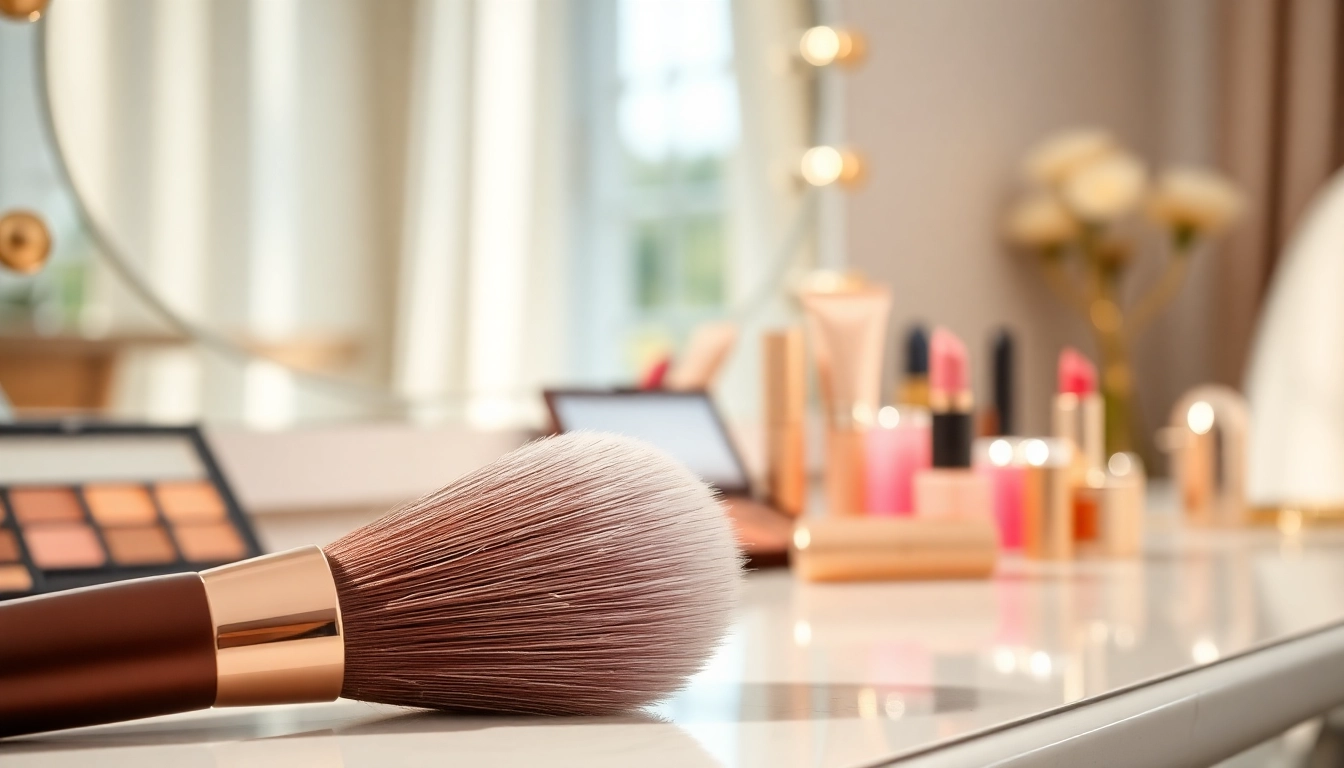

Understanding the Angled Makeup Brush
What is an Angled Makeup Brush?
The angled makeup brush is a specialized tool in the beauty toolkit, distinguished by its slanted bristles that allow for precise application and blending. This design is tailored for contouring, highlighting, and applying eyeshadow with precision that flat and rounded brushes may not provide. The versatile nature of the angled makeup brush makes it a staple for both professional makeup artists and everyday users seeking flawless application.
Benefits of Using an Angled Makeup Brush
One of the primary benefits of using an angled makeup brush is its ability to reach and blend makeup in hard-to-reach areas with ease. The slanted bristles can fit into the hollows of the cheeks, the crease of the eyelids, and along the jawline, ensuring that application is seamless and well-defined. Additionally, the angled design allows for precision when applying products, leading to a more polished and professional look. For those interested in enhancing their makeup techniques, investing in a high-quality angled makeup brush can elevate your makeup game significantly.
Types of Angled Makeup Brushes
Angled makeup brushes come in various types, each serving unique purposes:
- Angled Foundation Brush: Typically used for applying liquid or cream foundations. The angled brush head helps achieve an even application without streaks.
- Angled Contour Brush: Designed for contouring the cheeks and jawline. This brush adds depth and definition to the face with cream or powder products.
- Angled Blush Brush: Ideal for applying blush precisely, shaping the cheekbones while also allowing for blending.
- Angled Eyeshadow Brush: Perfect for applying eyeshadow in the crease and outer corners of the eye, aiding in detailed eye makeup looks.
- Angled Liner Brush: Useful for applying eyeliner or brow products, allowing for straight and defined lines.
How to Choose the Right Angled Makeup Brush
Material Considerations
When selecting an angled makeup brush, consider the materials used in the bristles. Brushes can be made from natural or synthetic fibers:
- Natural Bristles: These are usually softer and more suited for powder products. They blend seamlessly but may not perform well with cream formulas.
- Synthetic Bristles: Typically firmer and better for cream and liquid products. They are also easier to clean and more suitable for sensitive skin.
Brush Size and Shape
The size and shape of your angled makeup brush can greatly impact your makeup application. A larger brush is better for quickly covering broad areas, such as the cheeks, while a smaller brush is ideal for finer details, such as contouring the nose or applying eyeshadow in the crease. Choosing the correct size helps ensure that you achieve the desired makeup look efficiently.
Choosing for Specific Applications
Choose an angled makeup brush based on the product types you’ll be using. For instance, if you mainly use liquid foundations, opt for a dense angled foundation brush. For cream contouring, a medium-density, soft-bristled brush would work best. Assess your needs and select brushes that best align with the makeup products you utilize most frequently.
Best Practices for Using an Angled Makeup Brush
Techniques for Contouring
To effectively contour with an angled makeup brush, start by applying a contour product in the hollows of your cheeks, along your jawline, and sides of the nose. Use the brush to blend the product in a circular motion to avoid harsh lines. Remember to use a light hand; less product allows for more natural-looking results.
Applying Eyeshadow with Precision
For eyeshadow application, pick up a small amount of product with the angled eyeshadow brush. Tap off any excess, then use the brush to apply eyeshadow along your crease by positioning the brush’s angle towards the outer corner. The slant allows for precise application without straying out of the desired area.
Blending Techniques to Master
Mastering blending techniques is crucial for achieving a flawless makeup look. When using an angled brush, hold it at different angles to blend different areas of the face. Use short, light strokes and alternate between gliding and circular motions. Blending should be gradual, allowing the colors to meld together seamlessly without losing definition.
Caring for Your Angled Makeup Brush
Cleaning Your Brush Properly
To maintain the integrity and performance of your angled makeup brush, regular cleaning is essential. Use a gentle brush cleanser or mild soap mixed with water. Swirl the brush in the mixture while avoiding soaking the ferrule, then rinse thoroughly until water runs clear. Lay the brush flat to dry to prevent damage to the bristles.
Storing Tips for Longevity
Proper storage of your angled makeup brush can extend its life. Keep it in a clean, dry space away from direct sunlight. Investing in a brush holder or case can also protect your brushes from dust and damage. Avoid storing brushes in tight spaces to maintain the shape of the bristles.
When to Replace Your Brush
Knowing when to replace your angled makeup brush is crucial for effective makeup application. Signs of wear include excessive shedding, frayed bristles, or an inability to hold product. If your brush no longer applies makeup evenly or smoothly, it may be time for an upgrade.
Frequently Asked Questions
What Is the Purpose of an Angled Makeup Brush?
An angled makeup brush is designed for precise application and blending, particularly for contouring, highlighting, and detailed eyeshadow work.
Can I Use an Angled Makeup Brush for Different Products?
Yes, angled makeup brushes are versatile. They can be used for foundation, contour, blush, eyeshadow, and even eyeliner, depending on the brush type.
How Often Should I Clean My Angled Makeup Brush?
Ideally, you should clean your angled makeup brush after every use with liquid products and weekly for powder products to maintain hygiene.
What Makes Synthetic Bristles Better for Angled Brushes?
Synthetic bristles are often more durable, easier to clean, and better suited for cream and liquid products, providing versatility and less shedding.
How Do I Choose the Right Size for My Angled Makeup Brush?
Select a brush size based on the area you plan to apply makeup. Larger brushes are great for larger surfaces, while smaller or medium brushes are better for details.