
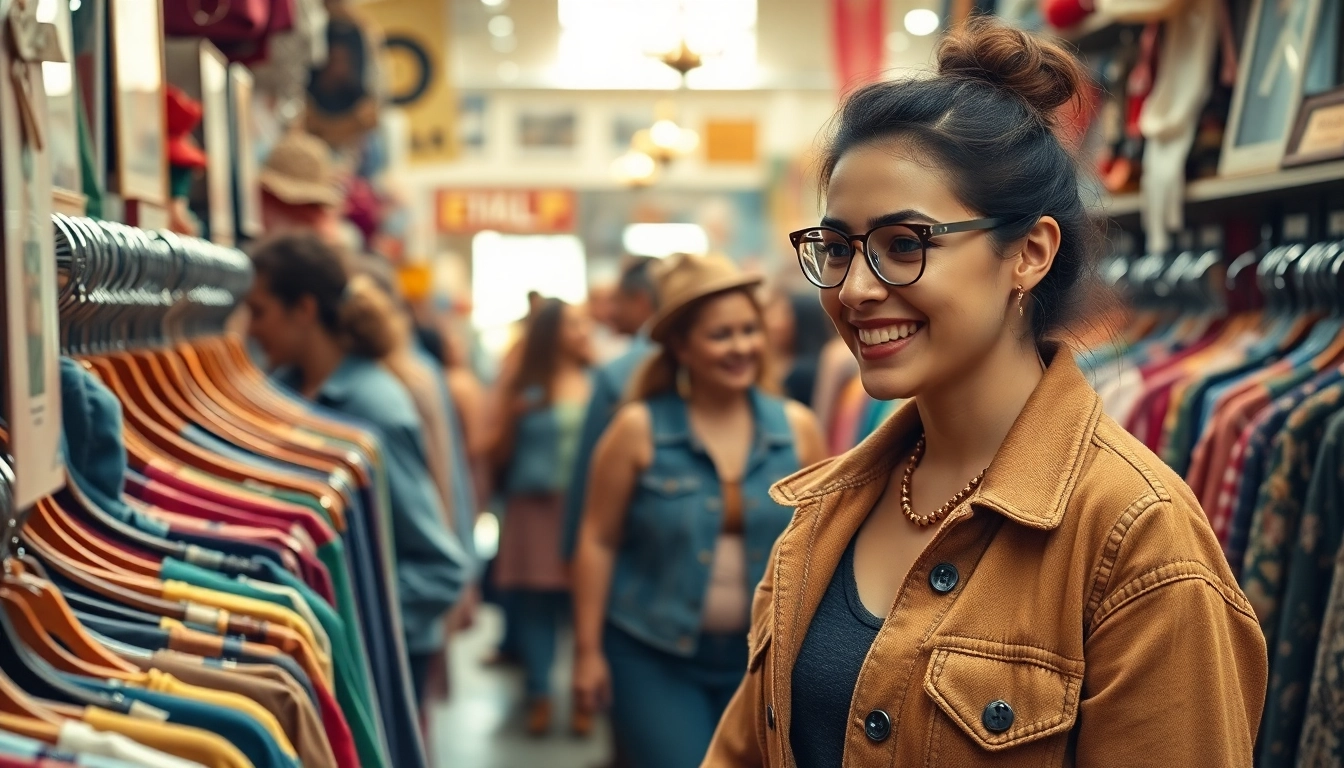

Understanding the Allure of Vintage Fashion
Vintage fashion transcends mere clothing; it’s a tapestry woven with history, nostalgia, and individuality. Whether it’s a pair of classic bell-bottom jeans or a floral print dress, each vintage piece carries a story that connects us with the past. At https://thrift-vintage.com/, we delve into the enchanting world of second-hand treasures, exploring the factors that make vintage clothing a unique and favored choice among consumers today.
What Defines Vintage Clothing?
Vintage clothing typically refers to garments that are at least 20 years old, and many fashion enthusiasts consider anything from the late 20th century as truly vintage. These pieces often embody the style, craftsmanship, and social norms of their respective eras, allowing wearers to express their individuality through a timeless aesthetic.
The Rise of Thrift Culture
Thrifting has exploded in popularity over the past few decades, driven by a growing awareness of sustainability, affordability, and the desire for unique fashion statements. Thrift culture is not merely about seeking deals; it’s a movement that champions the value of pre-loved items and the stories they tell. This shift is reflected in the rise of thrift stores, online marketplaces, and community events dedicated to vintage fashion.
Why Consumers Prefer Vintage Over Fast Fashion
With the fast fashion industry facing critique for its environmental impact, many consumers are turning to vintage clothing for the following reasons:
- Sustainability: Vintage shopping promotes recycling and reduces waste, making it an eco-friendly choice.
- Unique Finds: Each vintage piece is one-of-a-kind, allowing individuals to cultivate a personal style that stands out from mass-produced clothing.
- Quality Craftsmanship: Older garments were often made with better materials and construction techniques compared to many fast fashion items.
Shopping Smart: Tips for Thrift Store Success
While the thrill of finding vintage treasures is exhilarating, a strategic approach enhances the experience. Here are essential tips to maximize success while thrifting:
Identifying Quality Vintage Pieces
Not all vintage items are created equal. Here are some characteristics to consider:
- Fabric Quality: Natural fibers such as cotton, silk, and wool generally indicate better quality compared to synthetic materials.
- Stitching and Construction: Examine seams and closures; hand-stitched details often indicate better craftsmanship.
- Designer Labels: Familiarize yourself with vintage designer brands; a recognized label can significantly increase an item’s value.
Negotiation Tactics When Shopping
Don’t hesitate to negotiate prices, especially in thrift stores. Here are some effective strategies:
- Polite Engagement: Start a friendly conversation with the seller; building rapport may encourage them to offer you a discount.
- Pointing Out Flaws: If you identify minor defects, gently mention them to justify a lower price.
- Buy in Bulk: Purchasing multiple items can sometimes lead to a bulk discount.
Using Online Resources Effectively
The digital age has transformed how we shop for vintage items. Utilize these resources:
- Apps and Websites: Use platforms like social media marketplaces or dedicated vintage sites to search for specific items.
- Online Communities: Join forums and groups focused on vintage fashion; these can provide valuable tips on where to find desirable pieces.
- Research Prices: Before making a purchase, research comparable items online to ensure you’re getting a fair deal.
Caring for Your Vintage Finds
Proper care extends the life of your vintage clothing. Follow these tips to maintain your treasures:
Cleaning and Maintenance Tips
Different vintage fabrics require specific care. Here are general guidelines:
- Read Labels: Always check the care label for specific cleaning instructions.
- Spot Clean: For delicate items, spot cleaning with mild soap and water is often safer than machine washing.
- Professional Cleaning: Consider using a professional dry cleaner for valuable pieces to prevent damage.
Storing Vintage Clothing Properly
Storage is crucial for maintaining the integrity of your vintage finds:
- Climate Control: Store in a cool, dry place to prevent mold and deterioration.
- Appropriate Hangers: Use padded or wide-shouldered hangers to maintain the shape of your garments.
- Protective Covers: Consider storing garments in breathable cotton bags to keep dust at bay without suffocating the fabric.
Repairing Minor Damages
Minor repairs can restore vintage clothing to its former glory:
- Sewing Techniques: Learn basic sewing skills to mend small tears, loose buttons, or unraveling hems.
- Patch Techniques: Use fun patches or fabric to creatively cover larger holes, preserving the garment’s character.
- Professional Help: For complex repairs or alterations, consider consulting a tailor who specializes in vintage clothing.
Creating Your Vintage Style
Integrating vintage pieces into your wardrobe invites creativity and personal expression. Here are methods to cultivate your unique vintage style:
Mixing Vintage with Modern Fashion
Combining vintage and contemporary elements creates a balanced and stylish look:
- Layering: Pair a classic vintage blouse with modern jeans for a chic ensemble.
- Contrast: Mix various eras to create a juxtaposition that highlights both styles.
- Finish with Accessories: Use modern accessories to update the overall vibe of your vintage outfit.
Color Coordination Techniques
A thoughtful color palette can enhance the overall look:
- Complementary Colors: Use colors from opposite sides of the color wheel to create visually appealing outfits.
- Neutral Base: Pair vibrant vintage pieces with neutral tones for a balanced appearance.
- Patterns & Prints: Don’t be afraid to mix prints, but keep a consistent color story to maintain harmony.
Accessories That Elevate Vintage Looks
The right accessories transform a vintage outfit:
- Jewelry: Incorporate vintage jewelry, such as brooches or statement necklaces, to add flair.
- Bags and Shoes: Choose bags and shoes that complement or contrast your vintage attire, enhancing the overall aesthetic.
- Enhance with Scarves: A vintage scarf can add a pop of color or print while providing a polished finish.
Engaging with the Thrift Community
Becoming a part of the thrift and vintage community enriches your shopping experience and builds connections:
Finding Local Vintage Groups and Events
Local events offer a great way to immerse yourself in the thrift culture:
- Thrift Events: Attend thrift fairs and vintage markets to discover unique finds and connect with like-minded individuals.
- Online Meetups: Explore virtual thrift communities where you can swap tips and share experiences.
- Community Workshops: Participate in workshops focused on upcycling or styling vintage pieces for hands-on learning.
Sharing Your Thrift Finds on Social Media
Utilizing social media to share your discoveries can inspire others:
- Document Your Journey: Post your casual thrifting trips, showcasing unique finds and the stories behind them.
- Create Style Lookbooks: Share how you style vintage pieces, offering ideas and inspiration to your followers.
- Engage with Hashtags: Use relevant hashtags to connect with the larger thrifting community and find new accounts to follow.
Participating in Thrift Challenges
Getting involved in thrift challenges adds fun and excitement to the shopping experience:
- Style Challenges: Engage in challenges that require integrating thrifted items into everyday outfits.
- Budget Challenges: See how much original “vintage chic” looks you can create within a certain budget.
- Community Engagement: Many communities hold seasonal thrift challenges with prizes, promoting camaraderie and excitement.
FAQs
What should I look for when thrifting?
Focus on quality fabrics, stitching, and unique designs. Familiarize yourself with vintage labels and check for condition defects.
How can I identify genuine vintage clothing?
Genuine vintage clothing is typically dated 20 years or older, has distinctive styles or cuts of its time, and may feature labels indicating its origin or era.
Can I thrift clothes online with confidence?
Yes, but research sellers, read reviews, and check return policies before making a purchase. Look for clear images and detailed descriptions.
How do I prevent vintage clothing from deteriorating?
Store your vintage pieces in a cool, dry place and avoid direct sunlight. Regular cleaning and gentle handling also help preserve their condition.
What is the best way to negotiate thrifting prices?
Start a polite conversation, highlight any flaws you may have found, and consider bulk purchases to encourage the seller to offer a discount.