
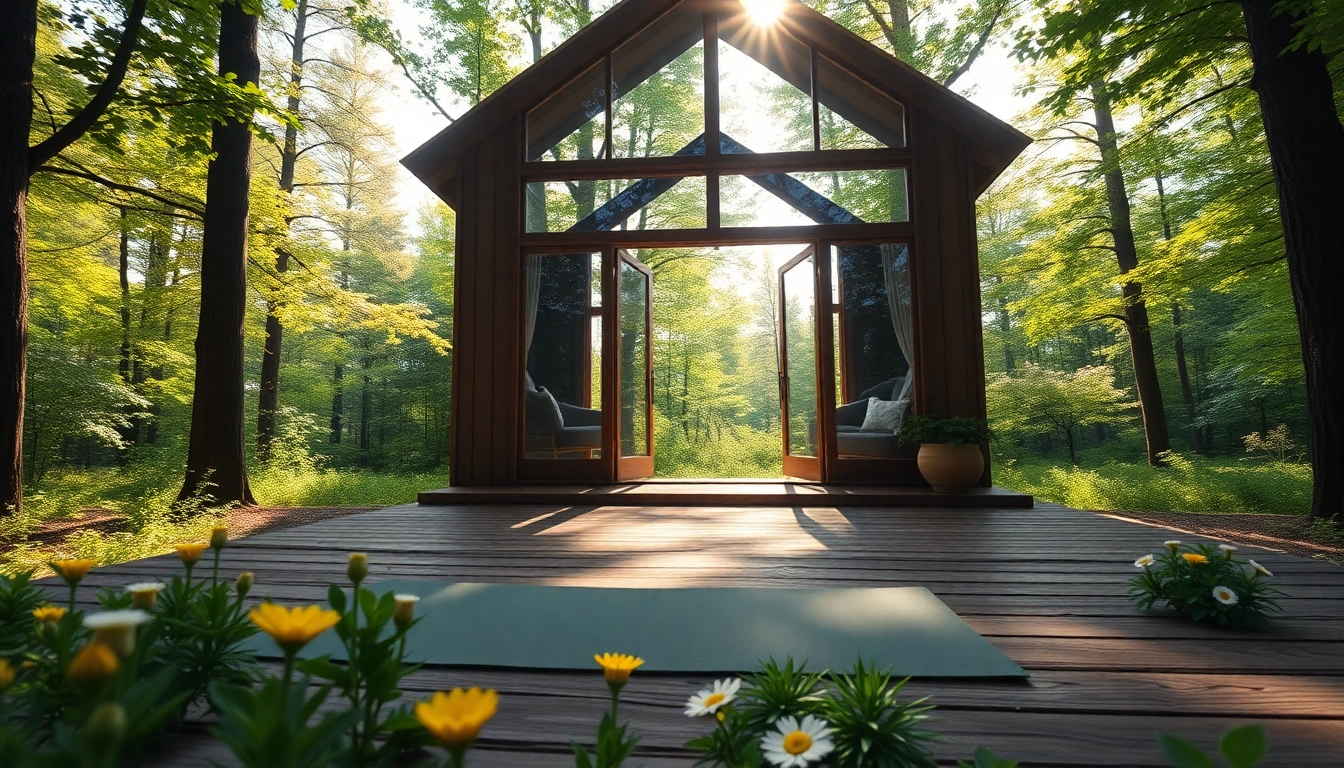

In today’s fast-paced world, finding time for relaxation, rejuvenation, and self-discovery can often feel impossible. A wellness retreat serves as a perfect escape, providing an oasis for individuals seeking to enhance their physical, mental, and spiritual health. This comprehensive guide explores the nuances of wellness retreats, their benefits, how to choose the right one, what to expect, and addresses frequently asked questions, ensuring readers have all the information they need to embark on their transformative journey.
What is a Wellness Retreat?
Definition and Purpose of Wellness Retreat
A wellness retreat is a dedicated period, usually ranging from a weekend to several weeks, where individuals immerse themselves in holistic practices designed to improve their overall wellness. The primary purpose is to provide a supportive environment free from daily distractions, allowing participants to focus on their health and wellbeing. Activities may focus on mental health, physical fitness, nutrition, spirituality, or emotional healing.
Common Features of Wellness Retreats
Most wellness retreats share a set of common features, including:
- Guided activities: Yoga, meditation sessions, hiking, and workshops led by professionals.
- Healthy dining: Meals focused on nutrition, often featuring organic and locally sourced ingredients.
- Relaxation spaces: Quiet environments designed for mindfulness, reflection, and recovery.
- Community and connection: Opportunities for bonding with facilitators and other participants, fostering a sense of community.
Types of Wellness Retreats
Wellness retreats can vary widely in focus, catering to different needs and preferences. Some common types include:
- Yoga retreats: Combining physical postures, meditation, and breathing exercises.
- Spa retreats: Focusing on relaxation through massages, treatments, and wellness therapies.
- Digital detox retreats: Encouraging participants to disconnect from technology to reconnect with themselves.
- Nature retreats: Utilizing natural settings to enhance mental and physical health.
- Holistic retreats: Incorporating a mix of various wellness practices, including nutrition, meditation, and healing therapies.
Benefits of Attending a Wellness Retreat
Physical Health Benefits
Attending a wellness retreat can significantly impact physical health. Many retreats focus on fitness activities like yoga and hiking, fostering a more active lifestyle. Participants may experience weight loss, improved cardiovascular health, increased flexibility, and better overall physical fitness. Moments in nature can also lower blood pressure and improve immune function.
Mental Wellbeing and Stress Relief
Wellness retreats often emphasize mental health, offering activities designed to reduce stress and anxiety. Through mindfulness practices, participants learn to manage their thoughts and feelings, leading to improved mood and mental clarity. Many find that these retreats help to break the cycle of overthinking, allowing them to feel more present and engaged in their lives.
Spiritual Growth Opportunities
For individuals seeking deeper meaning in their lives, wellness retreats often provide opportunities for spiritual exploration. This may include guided meditation, spiritual discussions, or practices aimed at connecting with one’s inner self. Participants often report feelings of empowerment, purpose, and newfound clarity regarding life paths and goals.
Choosing the Right Wellness Retreat for You
Identifying Your Wellness Goals
Before selecting a retreat, it’s essential to identify your personal wellness goals. Are you seeking physical rejuvenation, mental clarity, stress relief, or spiritual growth? Understanding your motivations helps narrow down your options to find a retreat that aligns with your intentions.
Factors to Consider in Location and Amenities
The location of a wellness retreat can greatly influence your experience. Consider whether you prefer a serene coastal environment, a tranquil forest, or a serene mountain backdrop. Additionally, examine the amenities offered, such as wellness facilities, types of accommodations, and available activities. An effective retreat should cater to your needs while providing a conducive environment for relaxation and growth.
Researching Effective Retreat Programs
Look for retreats with structured programs led by qualified professionals. Reading reviews and testimonials can provide insights into the effectiveness of the program. Evaluate the curriculum strengths and whether the retreat offers a balance of activities that resonate with your wellness goals.
What to Expect During a Wellness Retreat
Daily Schedules and Activities
Wellness retreats usually follow a structured daily schedule, providing a set balance of activities to promote physical, mental, and emotional wellbeing. Participants can expect a combination of morning yoga sessions, guided meditation, physical workouts, workshops, and opportunities for personal reflection. This structured routine not only enhances participants’ experiences but also helps in establishing healthy habits.
Healthy Meal Options at Retreats
Nourishment is central to a wellness retreat experience, and meals are typically designed to support overall health. Participants can expect menus rich in whole foods, with an emphasis on organic fruits, vegetables, whole grains, and lean proteins. Often, meal plans are tailored to accommodate various dietary needs such as gluten-free, vegan, or raw options.
Interaction With Professionals and Guides
Engagement with experienced professionals is a hallmark of wellness retreats. Attendees often have the opportunity to participate in workshops and discussions led by nutritionists, wellness coaches, and meditation teachers. This interaction is essential for gaining personalized insights and ensuring that the benefits of the retreat extend beyond the time spent there.
FAQs About Wellness Retreats
What should I bring to a wellness retreat?
Essentials include comfortable clothing for activities, personal hygiene products, a journal for reflection, and any specific dietary items you may need. Don’t forget to bring an open mind ready for transformation.
Are wellness retreats suitable for beginners?
Yes, wellness retreats cater to individuals at all levels. Many offer beginner-friendly activities, with guidance provided to help novices feel comfortable and engaged.
How long do wellness retreats usually last?
Retreats typically range from a weekend to a week or more. Some programs may offer longer stays, allowing participants a more profound experience and deeper immersion.
Can I attend a wellness retreat alone?
Absolutely! Many people attend wellness retreats alone, providing an excellent opportunity to connect with new friends and focus solely on personal growth.
What types of meals are provided?
Meals are usually health-focused, including a variety of fresh, organic, and nutritious options. Many retreats offer vegetarian, vegan, or gluten-free meals to accommodate dietary needs.