
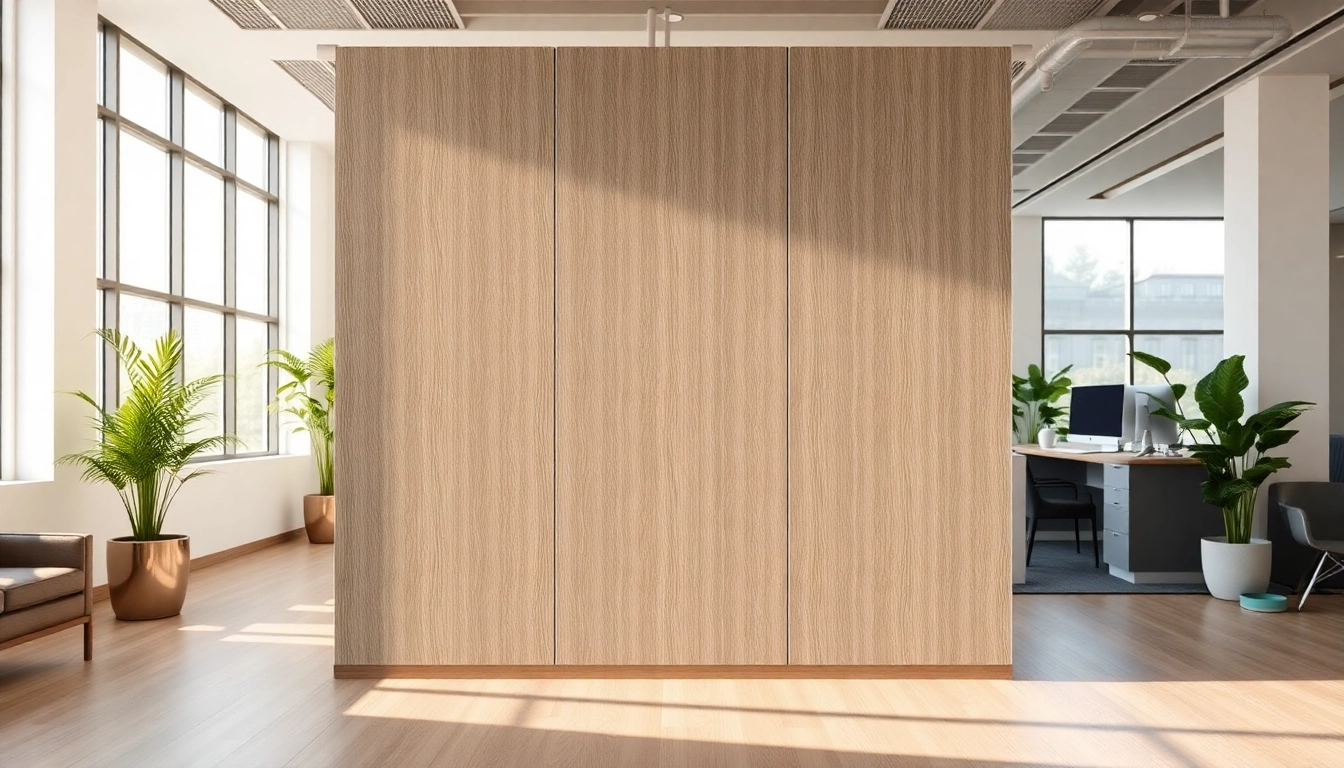

Introduction to Fire-Resistant Composite Wall Panels
When selecting materials for construction, safety and durability are paramount. One of the best options available today is Fire-Resistant Composite Wall Panels. These panels combine the aesthetic benefits of traditional materials with advanced fire safety features, making them an ideal choice for both residential and commercial applications. This article delves into the composition, benefits, applications, and best practices associated with fire-resistant composite wall panels.
What Are Fire-Resistant Composite Wall Panels?
Fire-resistant composite wall panels are engineered building materials constructed from a combination of different materials designed to provide superior resistance to fire. Typically, these panels comprise an outer layer made from aluminum or other non-combustible materials and an inner core made of mineral or fire-retardant materials. This unique combination not only enhances their aesthetic appeal but also significantly improves safety by minimizing potential fire hazards.
Importance of Fire Resistance in Building Materials
The significance of using fire-resistant materials in construction cannot be overstated. In the event of a fire, time is of the essence. Fire-resistant materials, like composite wall panels, are engineered to resist ignition and slow flame spread, providing occupants with critical time for evacuation. Furthermore, they can contribute to lowering insurance premiums and improving building code compliance. By using such materials, builders promote safer environments across various sectors, including residential, commercial, and industrial.
Common Applications for Fire-Resistant Composite Wall Panels
Fire-resistant composite wall panels find extensive use in various applications. Here are some of the major sectors where they excel:
- Commercial Buildings: They are especially beneficial in high-rise structures and office buildings where safety regulations are stringent.
- Industrial Facilities: Factories and warehouses often incorporate these panels to enhance fire safety.
- Residential Homes: Increasingly, homeowners are opting for these panels to improve home safety without sacrificing aesthetics.
- Schools and Hospitals: Facilities that house a large number of people require top-notch safety measures, making these panels a preferred choice.
Benefits of Using Fire-Resistant Composite Wall Panels
Enhanced Safety in Construction
One of the primary advantages of fire-resistant composite wall panels is their ability to significantly improve safety. Constructed using advanced materials that minimize fire spread, these panels serve a dual purpose—protection against fire and enhancement of structural integrity. A well-planned fire escape route can mean the difference between life and death; these panels grant occupants crucial additional minutes to evacuate. Furthermore, they are rigorously tested for compliance with national fire safety standards, guaranteeing their reliability.
Improved Aesthetic Appeal and Design Flexibility
Beyond safety, fire-resistant composite wall panels bring striking aesthetic value. Available in an array of colors, finishes, and textures, they can emulate traditional materials such as wood or stone while offering superior fire safety. The versatility in design allows architects and interior designers to create visually appealing structures without compromising safety. This flexibility is essential in retaining the uniqueness of a building’s character across various applications.
Cost-Effectiveness Over Time
Though the upfront investment in fire-resistant composite wall panels may be higher than traditional materials, they provide long-term savings. Their durability and minimal maintenance requirements result in lower replacement costs over time. Additionally, their fire-resistant properties can result in lower insurance premiums, providing further financial benefits. Environmentally conscious builders may also find value in these panels, as many options come with sustainable certifications, contributing to LEED points.
Considerations When Selecting Fire-Resistant Composite Wall Panels
Building Codes and Regulations
Before selecting fire-resistant composite wall panels, it is critical to verify that they comply with local building codes and regulations. Each jurisdiction may have specific requirements regarding fire safety materials, which can dictate the type of panels that can be used. Consult with local building authorities to ensure that any selected materials adhere to mandatory guidelines, protecting against future liabilities.
Thermal and Acoustic Performance Factors
Another key consideration is the thermal and acoustic performance of the panels. High-quality fire-resistant composite wall panels not only resist fire but also offer excellent thermal insulation, contributing to energy efficiency within a building. Additionally, many options available on the market provide acoustic performance, helping to absorb sound and minimize noise pollution—an essential feature in commercial settings like hotels and offices.
Environmental Impact and Sustainability
As construction practices evolve, the demand for sustainable building materials has risen. Fire-resistant composite wall panels can cater to this trend; many are manufactured with recycled materials and eco-friendly processes. Ensure the panels are certified by recognized environmental organizations to validate their eco-friendly pedigree. By choosing sustainable options, builders can contribute to a greener future, aligning with the growing environmental consciousness of society.
Installation Best Practices for Fire-Resistant Composite Wall Panels
Preparation and Planning for Installation
Effective installation begins with detailed planning and preparation. Before commencing, ensure that all necessary tools and materials are on-site, including panels, adhesives, sealing equipment, and safety gear. It’s advisable to consult the manufacturer’s instructions for optimum installation practices and guidelines on necessary safety precautions. Planning should also involve calculating the required quantities of panels to avoid shortages during installation.
Step-by-Step Installation Guide
This section sets out a general step-by-step guide for installing fire-resistant composite wall panels:
- Site Preparation: Ensure the installation surface is clean, dry, and free from any obstacles.
- Panel Layout: Plan the layout of the panels on the wall to minimize waste and ensure proper fit.
- Cutting Panels: Use appropriate tools to cut panels to the required size ensuring accuracy for tight seams.
- Applying Adhesive: Apply the recommended adhesive or fastening system compatible with the panel material.
- Attaching Panels: Position the first panel carefully, securing it to the wall according to instructions. Continue adding panels, aligning them tightly.
- Sealing Joints: Use sealant to fill gaps between panels to enhance fire resistance and ensure a neat finish.
- Final Inspection: Conduct a thorough inspection of the installation before cleaning the work area.
Post-Installation Maintenance Tips
To maintain the integrity and appearance of fire-resistant composite wall panels, regular maintenance is essential. Here are some tips:
- Perform routine inspections for any signs of damage or wear.
- Clean panels with mild detergents; avoid abrasive cleaning products that can scratch their surfaces.
- Check joints and seals regularly, replenishing sealant if necessary to maintain fire resistance.
Frequently Asked Questions About Fire-Resistant Composite Wall Panels
What makes composite materials fire-resistant?
Composite materials are designed to resist ignition and slow down fire spread. Multi-layer constructions involving non-combustible materials and mineral cores enhance their fire-resistant properties, making them suitable for various applications.
Are fire-resistant composite panels suitable for residential use?
Yes, fire-resistant composite panels are ideal for residential applications, providing both safety and aesthetic value. They can enhance fire safety in homes, especially in areas prone to wildfires.
How do I maintain fire-resistant composite wall panels?
Regular inspections and gentle cleaning with non-abrasive products are key to maintaining fire-resistant composite wall panels. Ensure joints are sealed correctly and repair any damage promptly.
What is the lifespan of fire-resistant composite wall panels?
Fire-resistant composite wall panels typically have a lifespan of 20-30 years, depending on the installation environment and maintenance. Their durability can lead to long-term savings in replacement costs.
Can fire-resistant composite wall panels be customized?
Yes, many manufacturers offer customization options, including colors, finishes, and textures. This allows for a tailored look that meets design expectations while maintaining fire safety standards.