
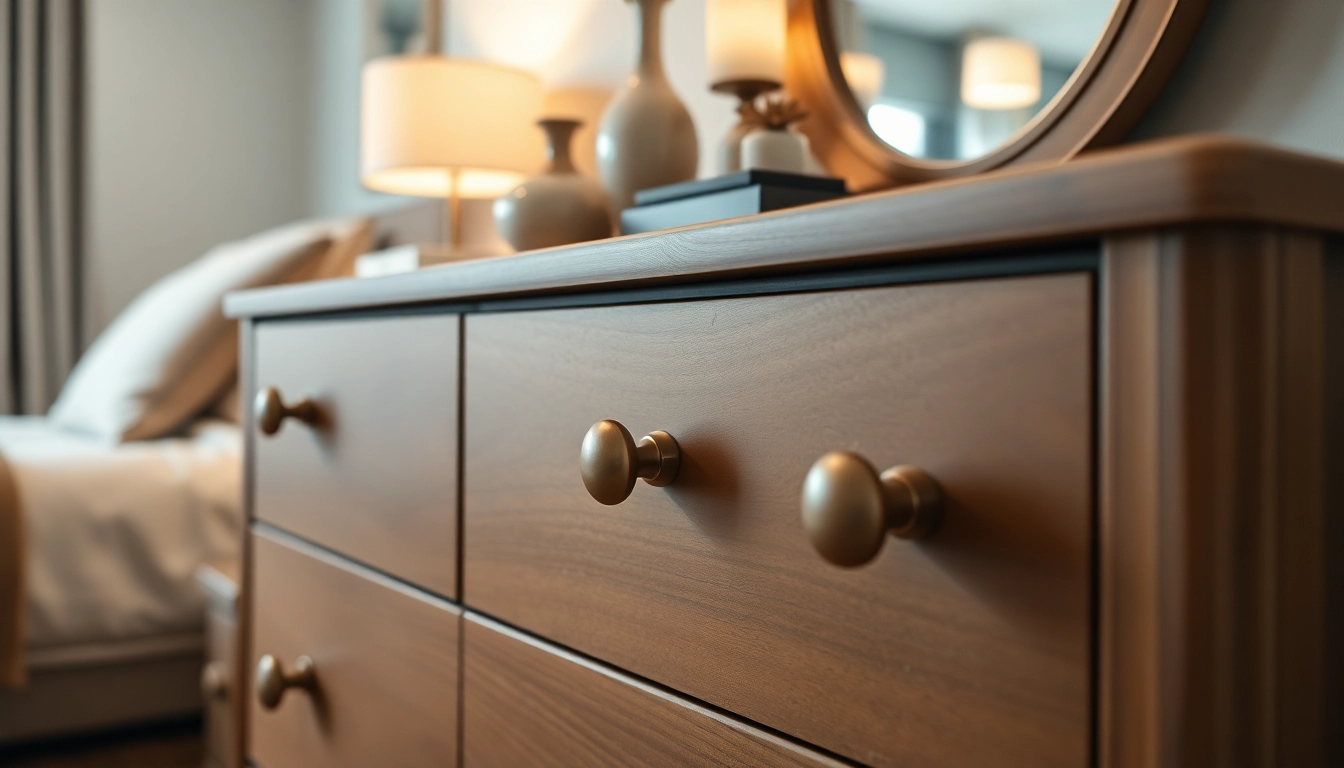

Introduction to Chest of Drawers
The chest of drawers is a staple in home furniture, seamlessly blending functionality with style. This versatile piece can serve a multitude of purposes, from storing clothes to showcasing decorative items. Understanding the intrinsic features and variations of these storage solutions can significantly enhance your home organization and design. In this article, we will delve into the definition of a chest of drawers, its rich history, common materials used in its construction, popular styles, essential features to consider, maintenance tips, and answer frequently asked questions to ensure you choose the perfect one for your space.
What is a Chest of Drawers?
A chest of drawers, often referred to simply as a dresser or a drawer chest, is a standalone piece of furniture that typically consists of a series of drawers stacked vertically. Commonly used in bedrooms for storing clothing, it can also be functional in other living spaces such as nurseries, hallways, or home offices. Its structure allows for efficient organization and maximizes storage while reducing visual clutter.
History and Evolution
The concept of the chest of drawers dates back to the Renaissance period in Europe, where affluent families stored their prized possessions in ornate pieces that spoke to their status. Initially, these chests were designed as large, standalone furniture pieces, becoming more refined and compartmentalized as furniture-making techniques evolved. By the 17th century, furniture designers began integrating drawers into these constructs, resulting in the modern form we are familiar with today. The design continued to evolve throughout the 18th and 19th centuries with styles reflecting various artistic movements, leading to an array of designs that cater to diverse aesthetic preferences.
Common Materials Used
Modern chest of drawers can be found in a variety of materials, each impacting durability, cost, and appearance. Common materials include:
- Solid Wood: Known for its strength and traditional appeal, solid wood is a popular choice. Species like oak, maple, and walnut not only provide durability but also age beautifully over time.
- Plywood: Offering a good balance between cost and strength, high-quality plywood can mimic the look of solid wood while being lighter.
- Particleboard: Often used in budget-friendly options, particleboard is less durable than wood alternatives and is usually covered with veneers to enhance its appearance.
- Metal: Stainless steel and wrought iron provide a modern edge, commonly seen in contemporary or industrial designs.
- Glass: This material is used in ultra-modern designs, often as a finish or in combination with wood or metal to create visually striking pieces.
Styles of Chest of Drawers
Modern Designs
Modern chest of drawers embody minimalistic designs characterized by sleek lines, neutral palettes, and functional aesthetics. These designs often incorporate innovative features such as hidden drawers, soft-close mechanisms, and ingenious space-saving elements. Modern styles may utilize a combination of materials like wood and metal, accentuating the contemporary look while ensuring practicality. The emphasis is on adapting to smaller living spaces without compromising on storage capacity.
Rustic and Vintage Options
Rustic chests of drawers carry a charm that evokes warmth and comfort, often constructed from reclaimed wood with a distressed finish. They may feature handmade details, showcasing the craftsmanship that defines vintage aesthetics. These pieces often carry character marks, such as knots and imperfections, which tell stories of their past. Vintage-style drawers frequently draw inspiration from historical designs, providing a nostalgic element to any room.
Functional Aesthetics
Chests that embrace functional aesthetics are designed to blend seamlessly into any environment without sacrificing storage capabilities. Multi-purpose pieces may include elements such as built-in mirrors, combination locks, or even integrated lighting. A functional chest of drawers will prioritize accessibility and organization, making it suitable for various spaces, from children’s rooms to adult master suites.
Features to Consider
Size and Dimensions
Size is a critical factor when selecting a chest of drawers. Consider your available space and the height of the piece relative to other furniture. A narrow, tall design may suit smaller rooms, while a wider, shallower design works better in larger areas. Always measure your intended location before making a purchase—both height and depth will influence how much room your storage piece takes up.
Storage Capacity
Maximizing storage without overcrowding is vital when choosing a chest of drawers. Look for models with multiple drawers of varying sizes. This versatility allows for categorizing items effectively, whether you are storing small accessories or bulkier clothing items. Assess the drawers’ slide mechanism and weight capacity; smoother, heavier-duty slides typically indicate better quality and longevity.
Design Compatibility
Ensure the chest of drawers fits well with your home’s existing decor. Take note of the color scheme, material finishes, and overall style you wish to convey. A contemporary piece might clash in a traditional setting, while a rustic model could feel out of place in a sleek, modern environment. Strive for harmony in design elements across your space for a cohesive look.
Maintenance Tips for Chest of Drawers
Cleaning and Care
Regular cleaning is essential for maintaining the appearance of a chest of drawers. Use a soft, damp cloth for routine dusting, and apply furniture polish occasionally to restore shine and protect the surface. Avoid harsh chemicals that might tarnish or damage the finishes. For wood products, consider oils that nourish the material without leaving residue.
Dealing with Wear and Tear
Over time, wear and tear are inevitable, especially on frequently used drawers. Address scratches or dents promptly using appropriate wood fillers for consolidation, followed by touch-up paint. This preventive care will enhance longevity and uphold appearance. Regularly check for stability; tighten any loose screws or joints to maintain structural integrity.
Preventing Damage
To prevent potential damage, utilize drawer dividers to keep things organized, can prevent overstuffing and excessive weight on the drawers. Avoid placing hot or wet items directly on surfaces, and use coasters or mats for any items that may scratch or stain. Lastly, consider placement—avoid direct sunlight to lessen the risk of fading and temperature fluctuations that could warp wood.
FAQs about Chest of Drawers
How do I choose the right size of chest of drawers?
Measure your available space and consider what items you’ll store inside to determine the best size.
What materials are most durable for a chest of drawers?
Solid wood and high-quality plywood are durable options that offer longevity compared to particleboard.
Can I use a chest of drawers in a small room?
Yes, opt for a slim or vertical design to maximize storage without taking up too much floor space.
How often should I clean my chest of drawers?
Wipe down surfaces regularly and perform a deeper clean every few months to maintain appearance and hygiene.
Are there eco-friendly chest of drawers options?
Yes, look for products made from sustainable materials and non-toxic finishes to ensure an eco-friendly choice.