
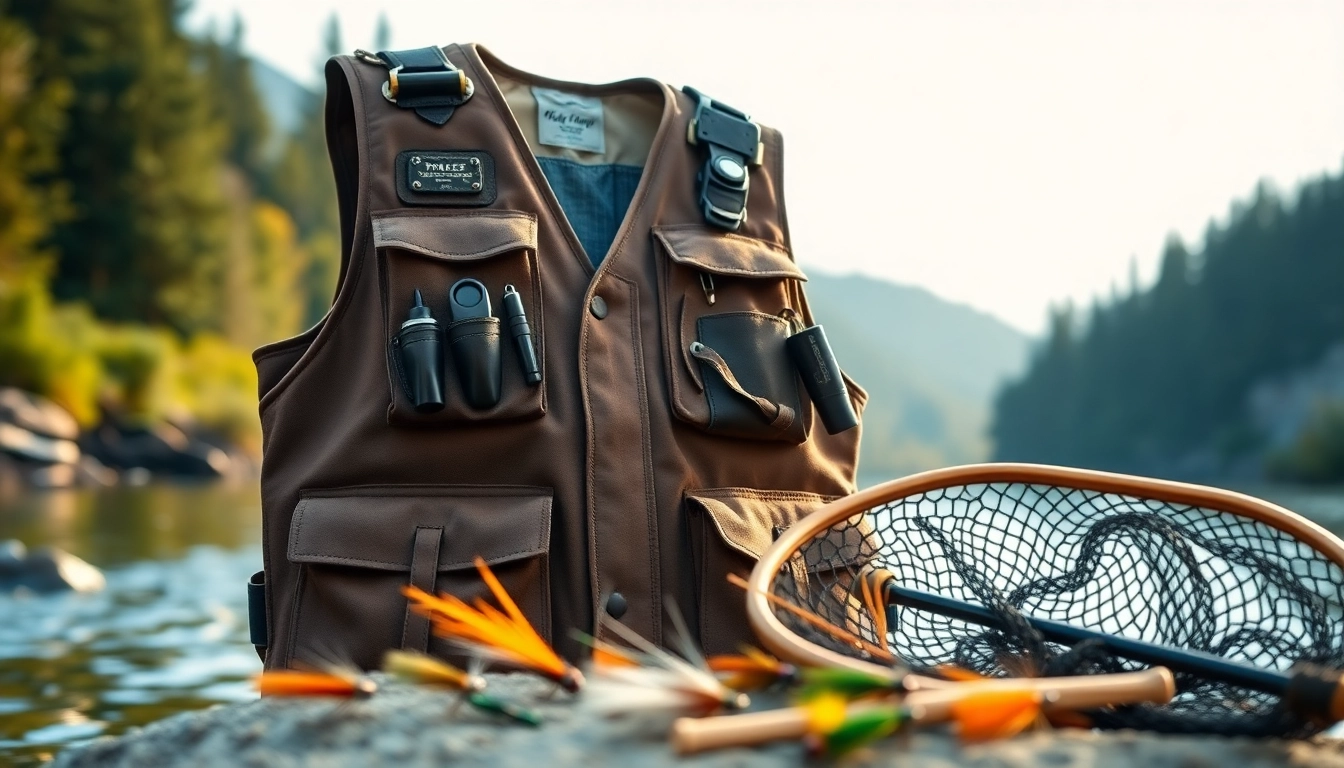

Understanding the Essentials of Fly Fishing Vest
For any angler, the right gear can make all the difference, particularly when it comes to the fly fishing vest. This vital piece of equipment not only enhances your fishing experience but also contributes significantly to your success. From organizing tools to allowing quick access to essentials, the benefits are numerous. In this article, we delve deep into what makes a fly fishing vest essential, how to choose the right one for your needs, and much more.
Why Choose a Fly Fishing Vest?
A fly fishing vest serves multiple purposes that significantly improve the fishing experience. Unlike traditional backpacks, a vest allows for optimal mobility, keeping your hands free. With a layout that strategically places equipment at arm’s reach, it’s designed for efficiency. A well-designed vest provides comfort and ease during long hours on the water, helping you focus on the task at hand: catching fish.
Key Features to Look For
When shopping for a fly fishing vest, several key features should be prioritized:
- Pockets and Storage: Multiple pockets help in organizing lures, fly boxes, and essential tools.
- Material: Lightweight and quick-drying fabrics enhance comfort, especially in wet environments.
- Adjustability: Look for vests with adjustable straps for a snug fit that won’t restrict movement.
- Comfort: Padded shoulders and ventilation are essential for comfort on long fishing days.
Vest vs. Pack: Finding Your Fit
While vests offer immediate access to essentials, packs provide more extensive storage. The choice largely depends on your fishing style. Quick trips may benefit from the convenience of a vest, while longer excursions may require the extra space offered by a pack. Ultimately, consider your needs to find the perfect fit for your adventures.
Types of Fly Fishing Vests
Classic Fishing Vests
Classic fishing vests are the quintessential design, featuring an abundance of pockets and a straightforward layout. These are particularly beneficial for beginners who need to carry a variety of small items. They tend to come in multiple sizes and colors, making them versatile for any angler.
Modern Hybrid Options
Modern hybrids combine the functionality of a vest and a pack, often featuring hidden compartments and streamlined designs. They offer an elegant solution for anglers who don’t want to compromise between access and storage.
Specialty Vests for Unique Conditions
Some vests are tailor-made for specific environments, like saltwater fishing or extreme weather conditions. These may come equipped with additional waterproofing or UV protection, catering to serious anglers looking to optimize performance.
How to Properly Fit Your Fly Fishing Vest
Measuring for Comfort and Functionality
To ensure your vest fits properly, first measure your chest circumference while wearing clothing similar to what you’d wear on your fishing outings. This ensures a comfortable fit without added bulk.
Adjustable Features to Consider
Many vests come with adjustable straps at the shoulders and sides. This feature allows you to fine-tune the fit, ensuring both comfort and functionality. An ideal vest should stay in place even during vigorous movement, providing both security and convenience.
Common Sizing Mistakes to Avoid
Many anglers make the mistake of selecting vests based solely on brand or style rather than fit. Always prioritize proper sizing by trying on different models and making adjustments as needed. It’s essential to ensure you will be comfortable and functional during extended wear.
Maintenance and Care for Your Fly Fishing Vest
Cleaning Techniques for Longevity
To prolong the life of your vest, regular cleaning is essential. Most vests can be hand-washed with a gentle detergent; avoid machine washing unless the care label specifies it’s safe. Make sure to air dry rather than putting your vest in the dryer to prevent damage.
Storage Tips for Seasonal Use
When storing your fly fishing vest during off-seasons, hang it up in a cool, dry place. Avoid folding it to prevent creases and potential material damage. Keeping it stored properly allows for better performance when the fishing season resumes.
Repairs: When to DIY or Seek Help
If your vest sustains minor damage like small tears or loose threads, basic sewing skills can go a long way in extending its lifespan. However, for more significant issues, consider seeking the expertise of professionals to ensure your vest remains functional.
Frequently Asked Questions about Fly Fishing Vests
What should I pack in my fly fishing vest?
Your vest should include essentials like fly boxes, tippets, nippers, forceps, a flashlight, and personal items like sunscreen. Adjust based on your fishing environment.
Can I use a fly fishing vest for other types of fishing?
Absolutely! While designed for fly fishing, many features suit other fishing styles as well. Just tailor the contents to fit your other specific gear needs.
How do I clean my fly fishing vest properly?
Hand wash your vest in cold water with mild detergent, avoiding harsh chemicals. Air dry it thoroughly to maintain integrity and performance.
What accessories should I have with my fly fishing vest?
Common accessories include a net, pliers, line cutters, leader material, and various flies. Customize based on the type of fishing you’re planning for.
Is a fly fishing vest worth the investment?
Yes! A fly fishing vest enhances organization and accessibility, crucial for an enjoyable fishing day. Investing in quality gear pays off in both comfort and performance.