
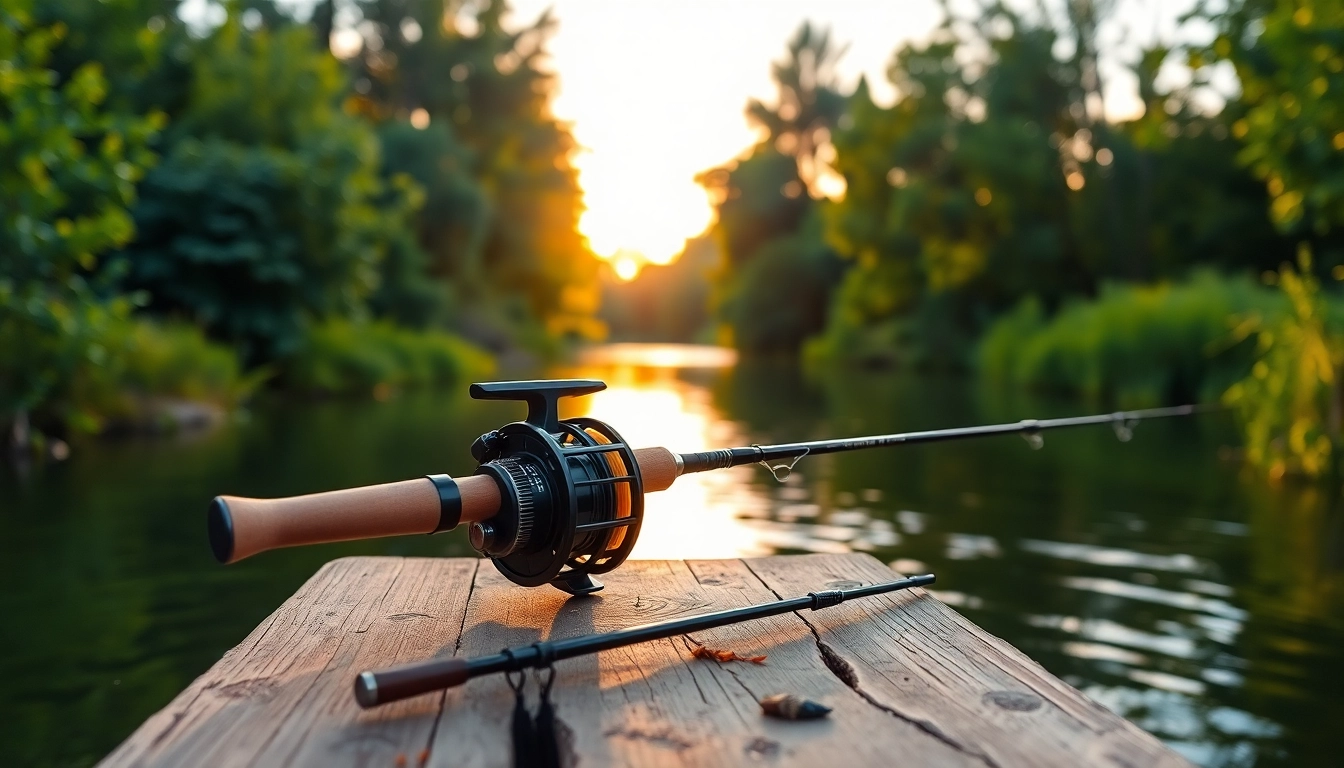

Understanding the Basics of Fly Fishing Combos
What is a Fly Fishing Combo?
A Fly fishing combo is an all-in-one setup designed for anglers that combines a fly rod, reel, and often necessary accessories such as backing, line, and sometimes even flies. This arrangement simplifies the process of getting started with fly fishing, especially for beginners who may find the variety of gear overwhelming. Rather than piecing together components that may or may not be compatible, a fly fishing combo offers a balanced setup optimized for performance.
Key Components of a Fly Fishing Combo
Typically, a fly fishing combo includes three primary components:
- Fly Rod: Varying in length and action, the rod is crafted to accommodate different fishing techniques and environments.
- Fly Reel: This component is responsible for holding the line and providing the drag needed to reel in fish. The reel must match the weight and action of the rod.
- Fly Line: A specialized line designed to help cast the fly lure through the air and land it delicately on the water surface.
Benefits of Using a Combo Setup
Using a fly fishing combo provides several advantages, particularly for beginners:
- Convenience: A combo takes the guesswork out of selecting compatible components.
- Cost-Effective: Purchasing a combo is often less expensive than acquiring each item separately.
- Optimized Performance: Each part of the combo is usually designed to work well together, ensuring better overall performance in the water.
- Ease of Use: Combos are designed with ease and functionality in mind, making them user-friendly for those unfamiliar with fly fishing.
Types of Fly Fishing Combos Available
Beginner-Friendly Fly Fishing Combos
For newcomers to the sport, beginner-friendly kits often include lighter rods, easy-to-manage reels, and pre-spooled line. Typically falling into mid-weight categories, these combos help novices learn the fundamental techniques of casting and retrieving. Further, they often come with instructional materials, making it easier to understand the basics:
- Recommended rod lengths are between 8 to 9 feet, enhancing casting control.
- Mid-range action in the rod allows for versatility across various fishing situations.
- Incorporation of a fly box with common flies can often prove beneficial.
Intermediate and Advanced Combos
More experienced fly fishers tend to require more specialized equipment suited to wider conditions and specific species encounters. Intermediate to advanced combos feature:
- High-Quality Materials: Use of advanced carbon fibers or graphite in rods for enhanced performance.
- Specialized Reels: Incorporation of drag systems and larger spools for bigger fish and greater line management.
- Customizable Options: Ability to swap out lines and utilize various accessories tailored to individual fishing styles.
Specialty Combos for Target Species
Some fly fishing combos are specifically designed for targeting certain species, be it trout, bass, or saltwater fish. These often include specific line weights, rod actions, and specialized flies suited to the characteristics of the desired catch:
- Trout combos typically utilize lighter rods designed for finesse.
- Bass or saltwater combos are often heavier, capable of handling larger prey and tough environments.
Factors to Consider When Selecting a Fly Fishing Combo
Budget Considerations for Your Combo
The budget is a critical factor when selecting a fly fishing combo. Combos can range dramatically in price, from under a hundred dollars for basic kits to several hundred for high-end combos. It is essential to recognize that a higher price does not always guarantee superior performance; instead, focus on the quality-and-feature-to-price ratio:
- Set a realistic budget reflecting your commitment to the sport.
- Research brands that offer strong value without making compromises on quality.
Material and Build Quality
The material and build quality of components in a fly fishing combo significantly impact performance and durability. Primary materials for rods include fiberglass, carbon fiber, and graphite. Each material offers distinct advantages:
- Fiberglass: Generally more forgiving and suitable for beginners.
- Graphite: Light and sensitive, appealing to avid anglers seeking performance.
- Carbon Fiber: Offers a balance of strength and weight, making it versatile for various fishing conditions.
Length and Weight of the Combo
The appropriate length and weight of a fly fishing combo depend on several factors, including the fishing environment and target species:
- Rods ranging from 8 to 10 feet offer different casting distances and accuracy.
- Weight: Typically classified by numbers (e.g., 2-weight, 5-weight), the right weight should correspond to the type of fish one is targeting.
Best Practices for Using Your Fly Fishing Combo
Setting Up Your Combo Correctly
Proper setup of your fly fishing combo is crucial for successful fishing. Start by correctly attaching the reel to the rod, ensuring that it’s secure and in an appropriate position for retrieving line:
- Make sure to spool the line correctly on the reel, avoiding tangles during casting.
- Check that the fly is securely fastened to the leader line.
Maintenance and Care Tips
Taking good care of your fly fishing combo will extend its lifespan significantly. After each outing:
- Rinse off the rod and reel to prevent saltwater damage.
- Store them in a dry environment, preferably in protective cases.
- Regularly check and replace worn lines or damaged reels.
Common Mistakes to Avoid
Beginners often make several typical mistakes that can be easily avoided with awareness of best practices:
- Using the wrong weight line for the rod can hinder casting performance.
- Neglecting to practice casting technique can lead to frustration.
- Overloading the rod with excessive weight can damage the setup.
Enhancing Your Fly Fishing Experience
Upgrading Your Fly Fishing Combo
As skills develop and experience grows, many anglers find themselves upgrading their fly fishing combos. Key aspects to consider when contemplating upgrades include:
- Investigating higher-end reels that offer better drag systems and weight management.
- Exploring specialized fly rods tailored for specific conditions or target species.
Additional Accessories to Consider
Supplementary accessories can significantly enhance your fly fishing experience. Some key items include:
- Fly Boxes: Useful for organizing patterns suitable for various fishing conditions.
- Leaders and Tippet: Essential for line connectivity without affecting casting.
- Wading Gear: Necessary for anglers venturing into deeper waters.
Joining the Fly Fishing Community for Tips and Support
Finally, engaging with the fly fishing community can be one of the most rewarding aspects of the sport. Local meetups, online forums, and social media groups provide valuable resources where beginners and seasoned anglers share experiences, tips, and techniques:
- Participating in workshops and classes can accelerate learning.
- Networking with seasoned anglers can provide practical insights and fishing locations.