

Understanding Roll Off Bins
What Are Roll Off Bins?
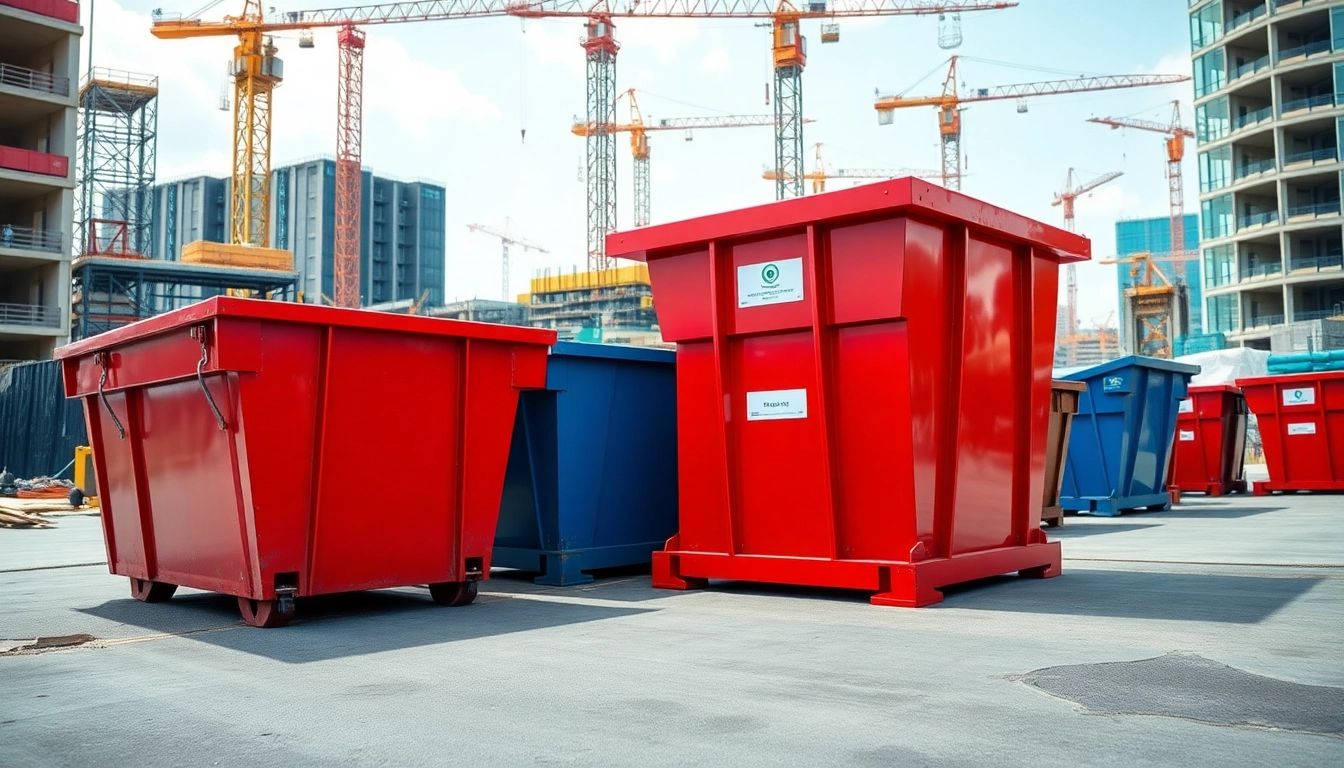
Roll off bins are large, rectangular containers designed for easy transportation of various types of waste materials. They are typically used for construction projects, renovations, large cleanups, and similar undertakings. Their design features a wheeled base that allows them to be rolled onto a truck for disposal once they are filled. This makes roll off bins a practical choice for both residential and commercial waste management.
Types of Roll Off Bins Available
Roll off bins come in several types, catering to different waste management needs. The most common types include:
- Construction Roll Off Bins: These are designed to handle heavy debris, such as concrete, wood, and metal scrap.
- Residential Roll Off Bins: Smaller in size, these bins are ideal for home improvement projects, yard cleanups, or garage cleanouts.
- Commercial Roll Off Bins: Suitable for businesses and industrial sites, these bins can accommodate bulk waste and recyclable materials.
- Specialty Roll Off Bins: Some companies offer bins designed for specific types of waste, including hazardous materials or e-waste.
Common Uses of Roll Off Bins
Roll off bins are versatile and serve a variety of purposes, including:
- Construction Sites: Ideal for removing rubble, metal, and other waste from construction projects.
- Home Renovations: Perfect for disposing of old fixtures, drywall, and other renovation debris.
- Landscaping Projects: Useful for collecting yard waste, soil, and landscaping materials.
- Event Cleanup: Often used during large events to manage waste effectively.
Benefits of Using Roll Off Bins
Convenience in Waste Management
Using roll off bins simplifies waste management by providing a single location for all waste materials. This reduces the need for multiple trips to disposal sites and allows for efficient loading. Moreover, with rental services, delivery and pick-up of bins are often handled by professionals, leading to a hassle-free experience.
Cost-Effectiveness for Projects
Investing in roll off bins is cost-effective, especially for large projects. Rather than incurring multiple fees for waste disposal, renting a bin can often reduce overall costs by providing a predetermined rate based on the bin size and rental period. Additionally, this helps prevent unexpected disposal fees which can arise from improperly managing waste.
Environmental Benefits of Roll Off Bins
Roll off bins contribute to sustainability by promoting proper waste disposal practices. By using these bins, you can facilitate recycling efforts, as many companies sort and recycle materials collected from the bins. This reduces landfill waste, conserves resources, and minimizes environmental impact, aligning with current eco-friendly initiatives.
Selecting the Right Size of Roll Off Bins
Factors to Consider When Choosing Size
Choosing the appropriate size of a roll off bin is critical for project efficiency. Consider the following:
- Volume of Waste: Estimate the amount of debris your project will generate.
- Type of Waste: Heavier materials may require a more robust bin.
- Space Constraints: Ensure that you have enough available space for the bin, especially if it’s being placed on a driveway or street.
Typical Sizes and Their Uses
Roll off bins typically come in several standard sizes, which include:
- 10-yard Bins: Best for small cleanups, such as garage or basement cleanouts.
- 20-yard Bins: Suitable for medium-sized projects like kitchen remodels or roofing jobs.
- 30-yard Bins: Ideal for large projects, including substantial renovation work.
- 40-yard Bins: Often used for commercial construction sites handling bulky materials.
Examples of Projects Requiring Different Sizes
Understanding the scale of your project helps in selecting the right bin size:
- A single room renovation may only need a 10-yard bin.
- A home remodel that involves updating multiple rooms could require a 20 to 30-yard bin.
- Large commercial construction sites often find 40-yard bins necessary to keep operations moving efficiently.
Best Practices for Renting Roll Off Bins
How to Prepare for Bin Delivery
To prepare for the arrival of your roll off bin, ensure the delivery area is clear of debris and accessible. This reduces delays and ensures the driver can safely position the bin. Additionally, check any local regulations that might apply regarding bin placement.
Tips for Efficient Loading of Roll Off Bins
Loading your bin efficiently can help maximize space and minimize additional trips:
- Break Down Large Items: Dismantle furniture or other bulky items to save space.
- Distribute Weight: Place heavier items at the bottom for stability.
- Load Strategically: Fill in gaps with lighter materials to utilize space effectively.
Managing Fill Levels Safely
Always follow safety guidelines when filling a roll off bin. Avoid overfilling it, as this can jeopardize safe transport and lead to fines. Many services have fill level indicators to help you gauge when to stop.
FAQs About Roll Off Bins
How long can I rent a roll off bin?
Rental periods typically range from a few days to several weeks, depending on project needs and rental company policies.
What materials can go in roll off bins?
You can generally dispose of construction debris, yard waste, and bulky items, but hazardous materials may have restrictions.
Are there any weight limits for roll off bins?
Yes, each size has a weight limit. Exceeding this limit can result in additional charges or service issues during pick-up.
How should I prepare my site for bin delivery?
Clear the delivery area of debris, ensure ease of access, and check local regulations on bin placement prior to delivery.
Can I keep the bin for multiple projects?
In most cases, rental companies allow you to keep the bin for multiple projects, but it’s best to check with the provider for specific terms.