

Understanding Ski Jackets
What are Ski Jackets?
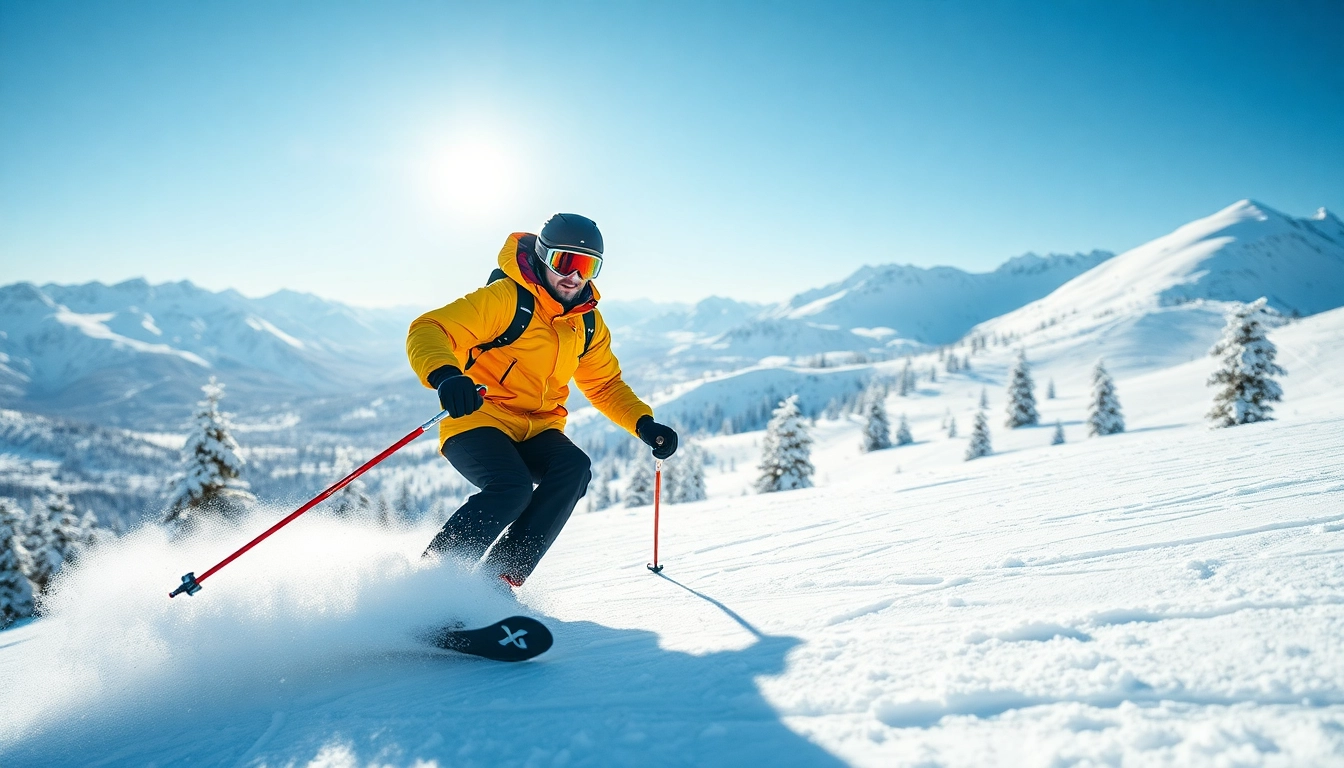
Ski jackets are specialized outerwear designed to provide warmth, insulation, and protection from the elements during skiing and snowboarding activities. These jackets are engineered with features that cater specifically to winter sports enthusiasts, ensuring comfort and performance on the slopes. They typically offer both waterproofing and breathability, allowing moisture to escape while keeping water out.
For those looking to explore various options and features of ski jackets, you can check the extensive range of ski jackets available.
Types of Ski Jackets
Ski jackets generally fall into three main categories: insulated jackets, shell jackets, and 3-in-1 jackets. Insulated jackets come with built-in insulation designed to keep you warm. These are often heavy and ideal for very cold conditions. Shell jackets, on the other hand, are lightweight and provide a protective outer layer against wind and water but require additional insulation layers underneath for warmth. Lastly, 3-in-1 jackets offer versatility, with a removable inner layer that can be worn separately or combined with the outer shell for different weather conditions.
Features That Matter in Ski Jackets
When selecting a ski jacket, there are several key features to consider. Look for waterproof and breathable fabrics that keep moisture out but allow sweat to escape. Additional features such as adjustable hoods, cuffs, and hems can enhance fit and comfort. Pockets for pass storage and ventilation zippers also contribute to overall functionality, helping skiers manage temperature during intense activity.
How to Select the Best Ski Jackets
Consider Your Skiing Style
Your skiing style impacts the type of jacket best suited for you. For aggressive skiers who tackle backcountry terrain, a more robust and insulated jacket may be necessary for extreme weather conditions. Casual skiers or those who frequent ski resorts might prefer lighter, more breathable jackets. Understanding your typical ski environment can influence this decision significantly.
Insulation vs. Shell Ski Jackets
Understand the difference between insulation and shell jackets as it can affect performance. Insulated jackets trap heat for warmth, making them ideal in freezing temperatures. Meanwhile, shell jackets, while less warm on their own, offer better mobility and ventilation. If skiing in highly variable weather, consider a combination of both styles to adapt to changing conditions effectively.
Understanding Fabric Technologies
Fabric technology plays a crucial role in a ski jacket’s performance. Common technologies include GORE-TEX, which offers high waterproofing and breathability, and proprietary blends engineered to wick moisture. Familiarity with these materials will help you make an informed choice to enhance your skiing experience while ensuring comfort and protection.
Top Features in High-Performance Ski Jackets
Waterproofing and Breathability
The most critical features of any ski jacket are waterproofing and breathability. Look for jackets with a high waterproof rating, indicated in millimeters, to ensure maximum protection against snow and rain. Breathability, typically measured in grams, indicates how well the jacket allows moisture to escape. A balance between these two features is essential for maintaining comfort on the slopes.
Mobility and Comfort in Ski Jackets
A ski jacket should allow ease of movement while skiing or snowboarding. Features such as articulated sleeves and stretchy fabrics contribute to overall mobility. Comfort is also a factor; ensure that the jacket fits well without restricting movement. Testing the jacket in various positions, such as crouching or reaching upward, can help assess its comfort level.
Ventilation Systems Explained
Many high-performance ski jackets come equipped with ventilation systems like pit zips or mesh-lined vents. These features can help manage body temperature by allowing airflow when you’re working hard on the slopes. Effective ventilation systems can help prevent overheating, making them an essential aspect of modern ski jackets.
Maintaining Your Ski Jackets
Cleaning and Care Tips for Ski Jackets
Proper care is essential to maintain the waterproof and breathability features of your ski jacket. Always follow the manufacturer’s care instructions. Typically, jackets should be washed with gentle detergents and air-dried. Avoid fabric softeners and bleach, as they can damage the fabric. Regular cleaning helps restore the jacket’s performance over time.
Storage Recommendations
Proper storage can extend the life of your ski jacket. When not in use, store it in a cool, dry place away from direct sunlight. Avoid hanging it on sharp hooks that can damage the fabric. Instead, use padded hangers or fold it neatly and place it in a breathable storage bag to keep it in the best condition.
Common Issues and Fixes for Ski Jackets
Common issues with ski jackets include wear and tear on seams, zippers sticking, or water resistance wearing off. To combat these, regularly inspect your jacket for damages and repair small issues promptly to prevent escalation. If water resistance diminishes, consider reapplying a DWR (Durable Water Repellent) treatment to revive the jacket’s performance.
Frequently Asked Questions About Ski Jackets
What are the best jackets for skiing?
The best ski jackets combine waterproofing, breathability, and insulation based on your skiing style. Some top-rated options often include insulated jackets for cold weather and shells for varied climates.
What is a good ski clothing brand?
A good ski clothing brand typically offers high-performance gear that meets rigorous standards for winter sports. Focus on brands recognized for quality, such as those offering waterproof and breathable materials.
What is the difference between a ski jacket and a winter jacket?
Ski jackets are specifically designed for skiing, offering waterproofing and breathability, while winter jackets may not always have these features and often provide bulkier insulation without the mobility focus of ski jackets.
How do I know my ski jacket fits properly?
A properly fitting ski jacket allows for movement without being excessively loose or tight. It should cover your wrists when reaching and have enough space for layers underneath, while still fitting snugly to prevent cold air from entering.
Can I use a ski jacket for snowboarding?
Yes, ski jackets can be used for snowboarding. Look for a model with ample flexibility and movement. Features like longer backs and good waterproofing will enhance performance regardless of your winter sport.