
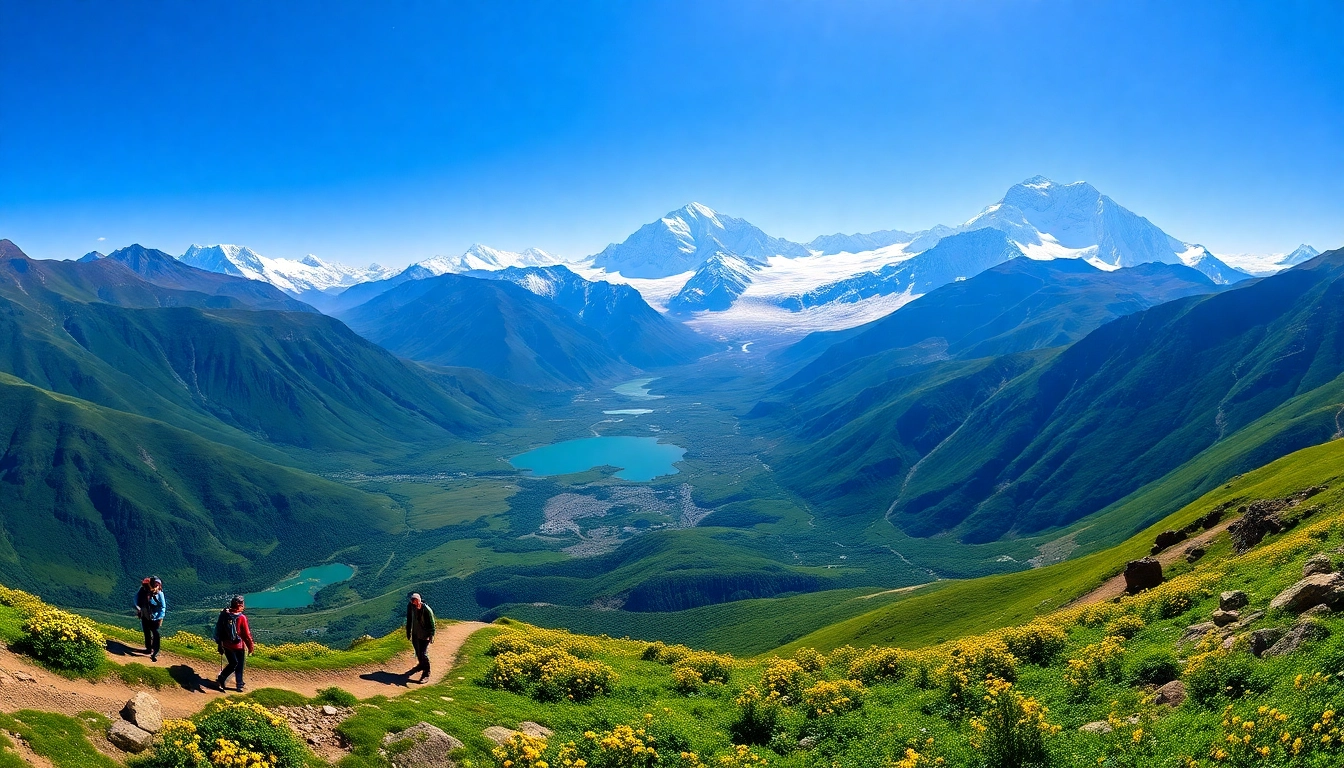

Introduction to Goechala Trek
Located in the majestic Himalayas, the goechala trek is one of the most breathtaking trekking routes in India. This trek not only offers an incredible view of the Kanchenjunga, the third highest mountain in the world, but it also takes trekkers through enchanting forests, rolling meadows, and high-altitude landscapes. With its unique combination of natural beauty and adventure, the Goechala trek draws both experienced trekkers and nature enthusiasts looking for a thrilling experience in the lap of the Himalayas.
What is the Goechala Trek?
The Goechala trek is a high-altitude trail located in West Sikkim, covering approximately 90 kilometers in an 8-11 day journey, depending on the selected itinerary and pace. The trail is known for its challenging terrain, lush landscapes, and stunning glimpses of the majestic peaks of the Kanchenjunga massif. Beginning from the quaint village of Yuksom, this trek is not just a physical journey, but also a cultural experience, revealing the rich heritage of the Sikkimese people.
Why Go on the Goechala Trek?
The reasons to embark on the Goechala trek are manifold. Firstly, trekkers are treated to unparalleled views of not just Kanchenjunga but also the surrounding Himalayan peaks. The trek leads you through some of the most pristine national parks in India, where you can spot rare flora and fauna. Additionally, the sense of accomplishment from conquering such a strenuous trek can be immensely rewarding. The trek is ideal for adventure seekers looking to push their limits while enjoying nature’s splendor.
Best Time to Embark on the Goechala Trek
The Goechala trek can be attempted in various seasons, but the most ideal periods are from late March to May and from late September to November. During these months, the weather is generally clear, offering spectacular views and a pleasant trekking climate. However, trekkers should prepare for variable weather conditions at high altitudes.
Preparing for the Goechala Trek
Essential Gear and Equipment for Goechala Trek
Your success on the Goechala trek depends significantly on your gear. Essential equipment includes:
- Backpack: A comfortable, high-quality trekking backpack that can carry all your essentials.
- Footwear: Sturdy trekking boots with good ankle support and a rugged sole.
- Clothing: Moisture-wicking base layers, insulating mid-layers, and waterproof outer shells.
- Sleep System: A high-quality sleeping bag suitable for cold weather and a sleeping mat.
- Navigation tools: A map and compass, or a GPS device.
- Personal Care: First-aid kit, sunscreen, lip balm, and insect repellent.
- Hydration System: Water bottles or a hydration reservoir, and a filter or purifying tablets.
Physical Preparation for the Goechala Trek
Preparing for the Goechala trek involves enhancing your stamina and strength. It’s crucial to embark on a fitness regimen that includes:
- Cardiovascular Training: Activities like running, cycling, or swimming to build endurance.
- Strength Training: Focus on legs and core exercises such as squats and lunges.
- Hiking Preparation: Begin trekking on shorter trails to adjust your body to uneven terrains.
Safety Tips for a Successful Goechala Trek
Safety should be your top priority while trekking. Here are several tips to ensure a safe journey:
- Acclimatization: Spend extra days at higher altitudes to help your body adjust.
- Traveling in Groups: It’s safer to trek with companions who can assist in emergencies.
- Stay Hydrated: Keep drinking water to avoid altitude sickness.
- Weather Conditions: Check forecasts and be prepared for sudden changes.
Itinerary for Goechala Trek
Day-by-Day Breakdown of the Goechala Trek
The Goechala trek itinerary typically spans 8-11 days, depending on individual pace. Below is a possible itinerary:
- Day 1: Arrive in Yuksom, acclimatize, and prepare for the trek.
- Day 2: Yuksom to Sachen (10 km, 6-7 hours)
- Day 3: Sachen to Tshoka (7 km, 5-6 hours)
- Day 4: Tshoka to Dzongri (10 km, 6-7 hours)
- Day 5: Acclimatization day at Dzongri
- Day 6: Dzongri to Thangsing (8 km, 5-6 hours)
- Day 7: Thangsing to Goecha La (8 km to the viewpoint, return to Thangsing)
- Day 8: Thangsing to Tshoka
- Day 9: Tshoka to Sachen
- Day 10: Sachen to Yuksom
- Day 11: Departure from Yuksom
Campsites and Accommodations During the Goechala Trek
Trekking through Sikkim offers a mix of camping experiences. Along the trail, you will encounter designated campsites that provide a base for each night’s rest. Typical accommodations include tented setups with basic amenities, which are usually arranged by trekking agencies. Staying in these camps allows you to immerse yourself fully in the tranquil surroundings while sharing stories with fellow trekkers around the campfire.
What to Expect Each Day on the Goechala Trek
Each day on the Goechala trek presents its own set of challenges and rewards. Early morning starts are common to make the most of daylight hours, often beginning with a hearty breakfast in the camps. The day’s trek can last several hours, with paths varying from gradual climbs to steep ascents, interspersed with breathtaking views and opportunities to encounter local wildlife. Evenings are spent in shared reflections, providing a sense of camaraderie amongst trekkers.
Challenges of the Goechala Trek
Understanding the Terrain of the Goechala Trek
The terrain on the Goechala trek is both diverse and challenging. Trekkers will navigate through dense forests and then above the tree line onto rocky paths. Steep ascents and descents can be expected, as well as narrow sections that require careful footing. It’s essential to be mentally prepared for unpredictable terrain and to accept that it is part of the adventure.
Weather Conditions to Anticipate on the Goechala Trek
Understanding the weather is crucial for planning your trekking days. The Goechala trek can experience fluctuating conditions, including rain, snow, and strong winds, especially at higher altitudes. Weather can change rapidly, so be prepared for both warm days and potentially freezing nights. Carrying appropriate gear and clothing is vital.
Physical and Mental Challenges During the Goechala Trek
Physical endurance is tested throughout the trek due to the high altitude and demanding nature of the trails. Additionally, mental resilience plays a significant role; there could be moments of exhaustion or doubt. Staying positive, motivated and maintaining a steady pace is essential for overcoming these hurdles and successfully completing the trek.
Frequently Asked Questions about Goechala Trek
How difficult is the Goechala trek?
The Goechala trek is considered a challenging trek. It requires physical fitness and stamina, as it includes steep ascents and unpredictable terrain.
What is the total cost for the Goechala trek?
The cost for the Goechala trek can vary based on the trekking agency chosen but generally ranges from ₹15,000 to ₹25,000 per person.
How to effectively prepare for the Goechala trek?
Preparation should include physical training, researching the terrain, and gathering the right gear to ensure safety and comfort during the trek.
What is the best season for the Goechala trek?
The best time for the Goechala trek is late March to May and late September to November when the weather is clear and the views are spectacular.
What are the accommodations available during the Goechala trek?
Accommodations on the Goechala trek typically consist of fixed campsites with tents provided by trekking agencies, offering basic amenities.