
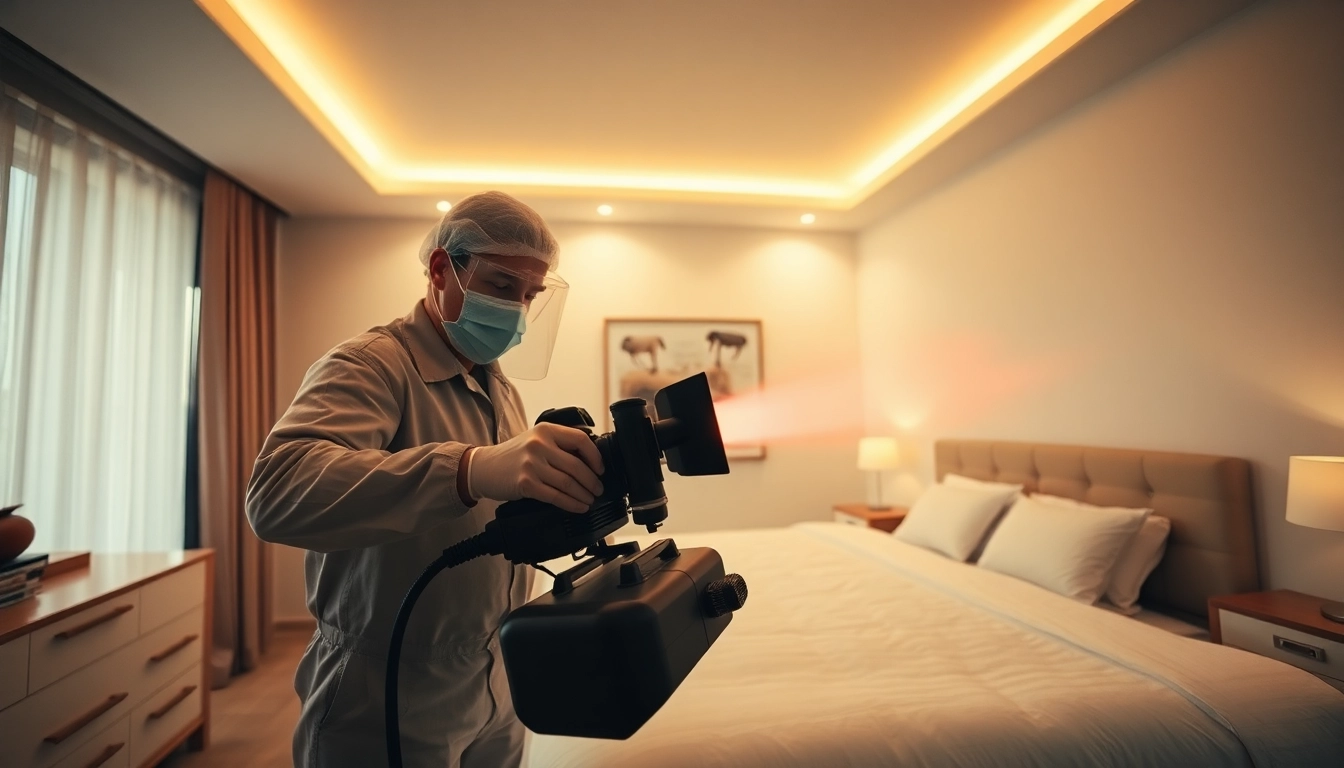

Understanding Bed Bug Heat Treatment
What is Bed Bug Heat Treatment?
Bed bug heat treatment is a widely recognized pest control method that relies on elevated temperatures to eradicate infestations of bed bugs. This treatment involves raising the ambient temperature of an infested area, typically to between 120°F and 140°F, for a specific period. The effectiveness of this method stems from its ability to penetrate various surfaces and eliminate bed bugs, including their eggs, at all life stages. For those seeking to understand and implement an effective solution against this common household pest, learning about the benefits and procedures of bed bug heat treatment is essential.
How Does Heat Eliminate Bed Bugs?
Heat treatment functions on the principle that bed bugs are sensitive to temperature changes. When exposed to temperatures above 113°F, bed bugs begin to die within several minutes. At temperatures above 120°F, the heating process becomes lethal for adult bed bugs and their eggs. The heat disrupts their physiological processes, effectively dehydrating and killing them. By carefully managing the temperature and exposure time across all areas where bed bugs may hide, typically walls, floors, carpets, and mattresses, one can achieve a total elimination of the infestation.
Advantages of Bed Bug Heat Treatment
One of the primary advantages of bed bug heat treatment is its ability to provide a one-time solution to infestations when executed correctly. Unlike chemical treatments, which may require multiple applications, heat treatment usually achieves results in one visit. Additionally, heat penetrates deep into furniture, crevices, and electronics, ensuring that no area is left untreated. This method also lacks the chemical residues left behind by traditional pesticides, making it a safer option for homes, especially those with children and pets. Furthermore, heat treatment has been shown to significantly reduce the likelihood of bed bugs developing resistance, which is a common concern with chemical treatments.
Preparation for Bed Bug Heat Treatment
Essential Steps Before Treatment
Preparing your home for bed bug heat treatment is crucial to ensure its effectiveness. Firstly, homeowners should declutter the area, removing unnecessary items that could obstruct the heat’s penetration. Furniture should be rearranged to enhance airflow and expose as much surface area as possible. It’s advisable to vacuum thoroughly to remove any visible bed bugs or eggs. After vacuuming, dispose of the vacuum contents in a sealed bag to prevent re-infestation.
Items to Remove from the Area
Before the heat treatment, certain items must be removed from the treatment area. Flammable materials, such as aerosol cans, paper products, and other potentially hazardous substances, should be taken out to minimize fire risks. Additionally, any electronics, plants, and items sensitive to high temperatures should either be relocated outside or covered with heat-resistant barriers to protect them during treatment. Clothes and bedding can also be washed in hot water and dried on high heat to kill any bed bugs that may be present.
Safety Precautions for Homeowners
Safety is paramount during the bed bug heat treatment process. Homeowners should vacate the premises for the duration of the treatment, which may last several hours. It is essential to inform all household members about the treatment schedule, including pets, as they must also be kept away. Proper attention should be given to ensure that heat sources are safe and monitored during use, and precautions should be taken to avoid heat-related accidents. Following the pest control technician’s advice and instructions is essential for a successful and safe process.
The Process of Bed Bug Heat Treatment
Equipment Used in Heat Treatment
Several pieces of specialized equipment are utilized during bed bug heat treatment. Heat sensors and thermometers are crucial for monitoring temperatures throughout the infested area. Electric heaters can be placed strategically to generate and circulate heat, while fans may be employed to maintain consistent temperatures across various surfaces. The equipment’s effectiveness and placement are critical for ensuring that every corner of the treatment area reaches the necessary temperature to eliminate bed bugs.
Expected Temperature Levels
The optimal temperature levels for killing bed bugs range from 120°F to 140°F. It is crucial to maintain these temperatures consistently during the treatment to ensure effective elimination. While achieving this temperature range, technicians may take special measures to ensure that the temperature is evenly distributed and that hotspots do not occur. Continuous monitoring is necessary, as temperatures can vary significantly within a room or space, and certain areas may need additional heat application.
Duration of Treatment Process
The duration of the bed bug heat treatment process generally spans between 6 to 8 hours, depending on the severity of the infestation and the square footage of the area being treated. The time spent at elevated temperatures is vital, as it ensures that all life stages of bed bugs are effectively eradicated. Post-treatment, it is recommended to let the area cool down while minimizing disturbance to ensure that any stray bed bugs have been dealt with adequately.
Post-Treatment Care and Monitoring
Following Up After Heat Treatment
After the bed bug heat treatment, homeowners should conduct thorough monitoring to ensure that any remaining pests have been eliminated. It is advisable to continue to observe the treated areas for several weeks following treatment. Checking for bites, any signs of bed bug activity, and utilizing bed bug detection tools, such as traps, can help ensure success. If bed bugs are spotted post-treatment, it’s essential to contact professionals immediately to determine the next course of action.
Signs of Treatment Effectiveness
Evaluating the effectiveness of the heat treatment can involve several indicators. The absence of bed bug bites, shed skins, and live bugs after a week or two post-treatment are encouraging signs. Additionally, conducting a thorough inspection of typical hiding spots, like seams of mattresses and box springs, can confirm the success of the treatment. It is vital to remain vigilant, as some re-infestation cases may occur due to outside sources.
Preventing Future Infestations
After achieving a successful heat treatment, preventing future infestations should become a priority. Regular inspections of second-hand furniture before bringing it into the home is critical, as bed bugs can easily hitch a ride on such items. Implementing protective encasements for mattresses and box springs can also hinder bed bug settlements. Homeowners should educate themselves about bed bug behavior and signs to catch infestations early before they escalate.
Common Misconceptions About Bed Bug Heat Treatment
Does it Damage Household Items?
A common concern homeowners have about heat treatment is potential damage to household items. While most belongings can withstand the high temperatures used, certain heat-sensitive items, such as electronics and some plastics, may be at risk. It is essential to discuss any concerns with pest control professionals who can guide homeowners on the best steps to take regarding delicate items prior to treatment.
Effectiveness Against All Life Stages
Many believe that heat treatment cannot effectively eradicate all life stages of bed bugs and worry that only adult bugs are targeted. However, research shows that heat treatment is effective against bed bug eggs, nymphs, and adults alike. Properly executed heat treatment can kill bed bugs at all stages of their lifecycle; hence, it is a comprehensive solution when performed correctly.
Myths vs. Facts
There are numerous myths surrounding bed bug heat treatment, including the belief that it takes days to see real results. In fact, many homeowners may notice significant improvements in less than a week following treatment. Another misconception is that heat treatments are always costly; when considering the costs associated with chemical treatments and potential re-infestations, heat treatments can prove to be an affordable long-term solution.
FAQs About Bed Bug Heat Treatment
Does heat treatment for bed bugs really work?
Yes, heat treatment is highly effective in eliminating bed bugs at all life stages when executed correctly. It raises the temperature in the infested area to levels lethal to bed bugs.
What do bed bugs do during heat treatment?
Bed bugs may initially attempt to escape heated areas, but most cannot withstand rising temperatures and will die within minutes once they exceed their thermal tolerance.
How long does the heat treatment process take?
The heat treatment process typically takes between 6 to 8 hours, depending on the size of the infestation and the area being treated, ensuring all areas reach the required temperatures.
Will the heat treatment damage my home?
When properly performed, heat treatment should not damage your home. However, precautions should be taken with sensitive items, particularly electronics and certain materials.
How can I prepare my home for heat treatment?
Homeowners should declutter the area, remove sensitive items, vacuum thoroughly, and follow instructions provided by pest control professionals to ensure the treatment’s success.