
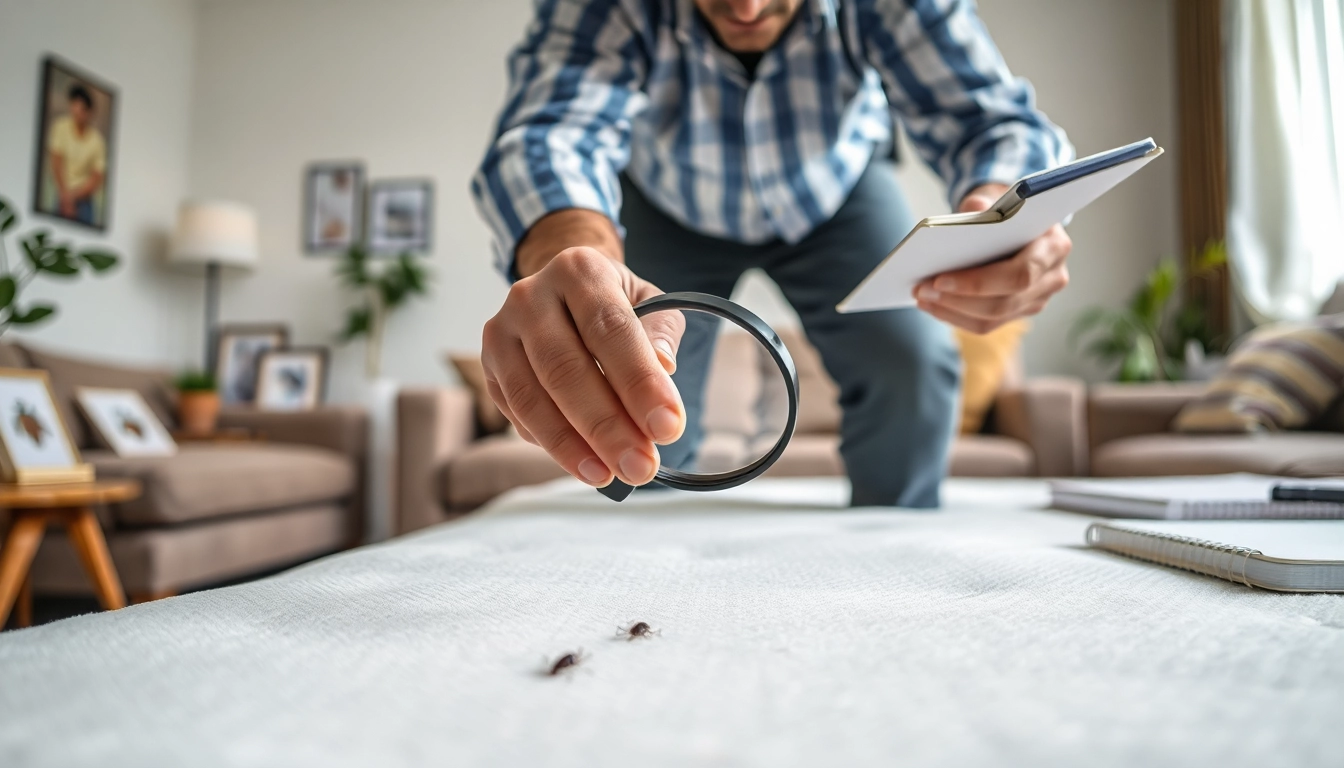

Understanding Bed Bugs: Lifecycle and Behavior
What are Bed Bugs?
Bed bugs are small, parasitic insects belonging to the Cimicidae family. They feed exclusively on the blood of warm-blooded hosts, primarily humans. These nocturnal creatures can hide in various places, making them particularly difficult to detect. They thrive in environments where humans sleep, such as beds, couches, and even public transport. One of the most concerning aspects of bed bugs is their propensity for rapid reproduction, exacerbating infestations and making prompt treatment essential.
The Lifecycle of a Bed Bug
The lifecycle of a bed bug consists of several stages: egg, nymph, and adult. A female bed bug can lay anywhere from one to five eggs per day, leading to hundreds of eggs in her lifetime. These eggs are tiny, about the size of a pinhead, and are often found in or near habitats of hosts.
Once the eggs hatch, the nymphs emerge and go through five molts before becoming adults. They require a blood meal at each stage to grow. Nymphs typically take about five weeks to reach adulthood, depending on environmental conditions like temperature and availability of hosts. If left untreated, a small population can turn into a significant infestation within weeks.
Behavior Patterns of Bed Bugs
Bed bugs have a unique set of behaviors that facilitate their survival and reproduction. They are primarily nocturnal and prefer to feed when their hosts are asleep. Bed bugs are also adept at hiding, which is crucial for avoiding detection. They utilize a variety of hiding places, including the seams of mattresses, behind baseboards, and even in electrical outlets.
Another noteworthy behavior is their ability to sense heat and carbon dioxide emitted by potential hosts, guiding them toward a blood meal. This understanding of bed bug behavior is vital for implementing effective prevention and extermination strategies.
Symptoms of a Bed Bug Infestation
Recognizing Common Signs
Recognizing the signs of a bed bug infestation early is critical in preventing further issues. Common indicators include:
- Visible Bugs: Adult bed bugs are around 5-7 mm in length, reddish-brown, and resemble apple seeds.
- Blood Stains: Dark stains on your sheets or mattress can indicate where bed bugs have fed.
- Fecal Spots: Small, dark spots often found on bedding or furniture.
- Skin Shedding: Nymphs shed their exoskeletons as they grow, leaving behind translucent shells.
How to Identify Bed Bug Bites
Bed bug bites often appear as small, red, itchy welts that can sometimes be confused with other insect bites. They typically occur in clusters or a line, often on exposed skin areas, such as arms, neck, and face. Unlike mosquito bites, which may have a single puncture mark, bed bug bites can have multiple inflamed areas surrounding them.
Monitoring the location and appearance of bite marks is vital in determining if bed bugs are the cause. However, due to individual reactions to bites, not everyone will show symptoms, making it essential to look for the aforementioned signs of infestation as well.
When to Seek Professional Help
If you suspect a bed bug infestation, it is crucial to act swiftly. Delay in addressing the issue can lead to more severe infestations, which become increasingly difficult to eliminate. Seeking professional assistance when:
- You find multiple signs of infestation in various areas.
- You are uncertain about identifying the bugs or the extent of the infestation.
- You have attempts to eliminate the bugs but have been unsuccessful.
Professional exterminators have access to effective treatments and can provide valuable advice on preventing future infestations.
Preventive Measures Against Bed Bugs
Tips for a Bed Bug-Free Home
Prevention is the best strategy against bed bugs. Here are some actionable tips to keep them at bay:
- Regular Inspections: Frequently check your living spaces, especially beds and couches, for signs of bed bugs.
- Seal Cracks and Crevices: Filling potential hiding spots, such as cracks in walls or furniture, can limit their homes.
- Use Protective Covers: Consider encasing your mattress and box springs in bed bug-proof covers to keep them from infesting these items.
- Manage Clutter: Reducing clutter in your home minimizes potential hiding places for these pests.
Best Practices for Travel and Hotels
Traveling can expose you to bed bugs, as they can hitch rides in luggage and clothing. To minimize risks:
- Inspect Lodging: Check the bed, headboard, and surrounding areas for signs of bed bugs before settling in.
- Keep Luggage Elevated: Avoid placing suitcases on the bed or floor; use luggage racks instead.
- Wash Clothes After Travel: Wash all clothing in hot water and dry at high heat immediately upon returning home.
How to Prepare Your Home for Extermination
If you’ve confirmed an infestation and require professional extermination services, preparation is critical. Here’s how to prepare your home effectively:
- Declutter: Remove any unnecessary items from the infested areas, as less clutter makes extermination more effective.
- Wash Bedding and Clothing: Wash all bedding and clothing in hot water, and dry them on high heat before treatment.
- Remove Items from the Floor: Clear floors of furniture and any associated materials to provide easy access for exterminators.
Various Treatment Options Available
Chemical Spray Treatments
Chemical sprays are one of the most popular methods for bed bug extermination. These sprays often contain insecticides that target adult bed bugs and their eggs. Professional exterminators can apply different formulations, which can have varying persistence and effectiveness. While chemical treatments can achieve significant success, it’s essential that the application is carried out correctly to avoid resistance issues in the bugs.
Heat Treatment Methods
Heat treatment is another effective method for eradicating bed bugs. This method involves raising the temperature of an infested area to levels lethal to bed bugs, typically between 120-140°F. It is effective because bed bugs and their eggs cannot survive prolonged exposure to heat at these levels. This treatment can be advantageous in that it reaches areas that chemical sprays may not effectively penetrate.
Combination Approaches for Effective Elimination
For severe infestations, a combination of treatments may be necessary to achieve complete elimination. This approach uses the strengths of both chemical and heat treatments to maximize effectiveness. By combining treatments, you can tackle bed bugs at various life stages and reduce the risk of a resurgence in infestations. This method may also include follow-up treatments to ensure all eggs have been eliminated.
Post-Treatment Care and Maintenance
What to Expect After Treatment
After treatment, it is crucial to follow recommendations from your exterminator. This may involve monitoring the treated areas for signs of activity. Expect that bed bugs may not die immediately, as some treatments may take time to fully eradicate the existing population. It is common to see bug activity persist initially, and continued vigilance is necessary.
Maintaining a Bug-Free Environment
To maintain a bug-free environment after extermination, continue with regular inspections and maintain cleanliness. Avoid adding used furniture or clothing to your spaces without proper inspection. Routine cleaning helps deter potential reinfestations and allows for early detection.
Monitoring for Future Infestations
Be proactive in monitoring for future infestations. Consider using bed bugs traps, such as interceptor cups, to catch any that may attempt to return. Regular checks of beds and furniture, especially after travel or guests, can ensure you catch a problem before it escalates. If you notice any signs, don’t hesitate to reach out for further assistance.