
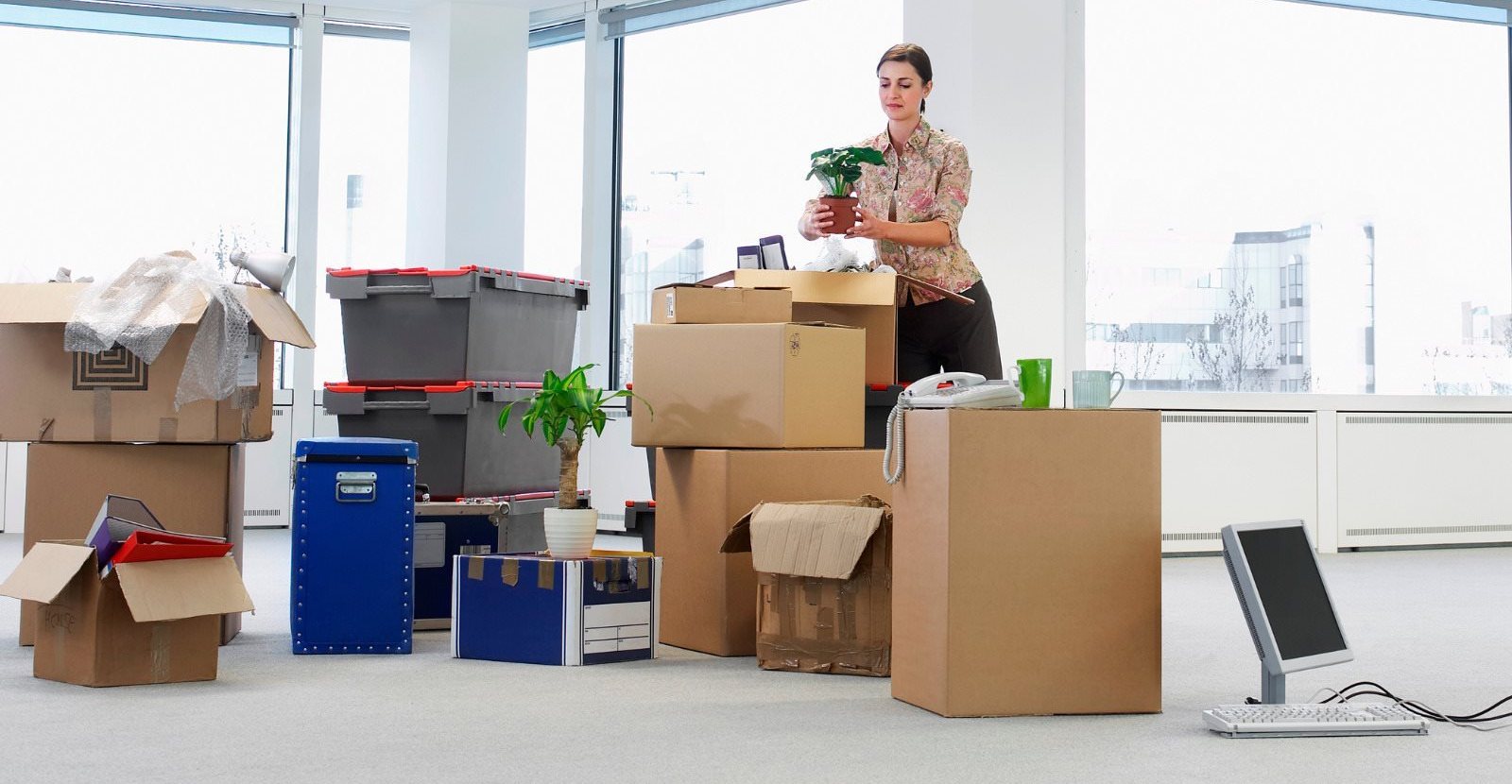

Understanding Province to Province Movers
What are Province to Province Movers?
Province to province movers are specialized moving services designed to facilitate the transportation of goods and belongings across regional borders. These companies provide expertise in long-distance relocations, ensuring that your valuable possessions are securely moved from one province to another, navigating various logistical challenges along the way. Employing province to province movers guarantees a structured approach to managing your relocation, minimizing stress and maximizing efficiency.
Key Benefits of Using Professional Movers
When considering a move from one province to another, the advantages of utilizing professional movers are numerous:
- Expertise: Professional movers possess extensive knowledge of the moving process, helping you navigate potential challenges and logistics.
- Time Efficiency: With a well-coordinated team, moving companies can speed up the process significantly compared to DIY moves.
- Safety and Security: Movers use specialized packing materials and techniques, ensuring your belongings are protected during transit.
- Insurance Coverage: Many movers offer coverage options, providing peace of mind in case of unexpected damages.
- Stress Reduction: Handing off the physical labor and planning allows you to focus on other important aspects of your move.
Choosing the Right Moving Company
Selecting a reputable moving company is pivotal for a smooth relocation experience. Here are some critical areas to focus on:
- Research and Reviews: Look into various companies’ reputation through online reviews and ratings to gauge customer satisfaction.
- Licensing and Insurance: Ensure the movers are licensed and covered by appropriate insurance to protect your belongings.
- Transparent Pricing: Obtain detailed quotes and ensure there are no hidden fees involved. Understanding the pricing structure is crucial.
- Services Offered: Check if they provide additional services such as packing, unpacking, and temporary storage.
- Experience with Long-Distance Moves: Verify that the company has solid experience and a record of successful long-distance relocations.
Preparing for Your Move
Checklist for a Seamless Moving Process
Preparation is key to ensuring your relocation goes off without a hitch. Use the following checklist to guide your moving process:
- Give Notice: Inform your landlord or current residence of your move-out date in advance.
- Declutter: Sort through belongings and decide what to keep, donate, or discard to ease packing.
- Gather Supplies: Obtain packing materials, including boxes, tape, and bubble wrap, in sufficient quantities.
- Label Boxes: Clearly mark boxes with their contents and the room they belong to for easier unpacking.
- Plan Utilities: Schedule disconnection of utilities in your old home and connection in your new residence.
- Confirm with Movers: Contact your chosen moving company to confirm the date and logistics.
Packing Tips for Long-Distance Moves
Packing for a long-distance move requires careful thought to ensure your items arrive safely. Consider these tips:
- Use Quality Packing Materials: Choose sturdy boxes and protective padding for delicate items to minimize damage.
- Pack Wisely: Distribute weight evenly across boxes and fill any empty spaces to prevent shifting during transit.
- Protect Fragile Items: Wrap breakables in bubble wrap or blankets and label these boxes clearly as “Fragile.”
- Essential Items Box: Pack a separate box for essentials that you will need immediately upon arrival, such as toiletries and basic kitchen items.
- Keep Important Documents Handy: Store vital documents like passports, birth certificates, and legal papers in a safe, easily accessible location.
Budgeting for Your Move
Budgeting is a crucial part of planning a move. Follow these steps to create an effective moving budget:
- Determine Moving Costs: Research potential costs associated with hiring movers versus a DIY move, including gas, truck rental, and labor.
- Account for Packing Supplies: Factor in the cost of packing materials, including boxes and protective wraps.
- Consider Unforeseen Expenses: Allocate funds for unexpected fees, such as additional storage or urgent repairs.
- Plan for Utility Setup: Include costs for utility connections and any deposits required for your new home.
- Review Budget Regularly: Track your expenses leading up to the move to avoid overspending.
The Moving Process: Step-by-Step
Initial Consultation and Planning
The moving process begins well before the moving truck arrives. During the initial consultation, a professional mover will assess your needs:
- Site Visit: An in-person evaluation can help movers understand the volume and type of goods to be transported.
- Discuss Services: Clarify which services you will require, such as packing or storage, during your consultation.
- Receive an Estimate: Based on the assessment, you should receive a detailed estimate of the moving costs.
Loading and Transportation Best Practices
Loading and transporting your belongings involves strategic planning to ensure safety and efficiency:
- Heavy Items First: Begin loading heavier items in the moving truck first, as it helps maintain balance.
- Secure Load: Ensure all items are secured and padded to prevent movement during transit.
- Use Professional Drivers: Experienced movers understand how to navigate roads safely and efficiently.
Unpacking and Settling In
The final steps of the moving process are crucial for a successful transition into your new home:
- Organize Unpacking: Start unpacking by focusing on essential items before addressing less critical belongings.
- Dispose of Packing Materials: Keep your new space tidy by disposing of or recycling boxes and other materials as you go.
- Familiarize Yourself: Explore your new neighborhood to locate schools, shops, and other essentials.
Common Challenges Faced by Province to Province Movers
Dealing with Distance and Time Constraints
Long-distance moves come with their share of challenges, particularly regarding distance and timing:
- Schedule Management: Accurate scheduling is critical to align moving and settling timelines, which can be subjective based on moving distance.
- Travel Distance: Consider the amount of time it takes for the journey, as this can affect the readiness of your new home.
Understanding Regulations and Permits
Different provinces may have unique regulations concerning moving, especially regarding permits:
- Know Local Laws: Research any local laws regarding vehicle transport and other regulations that might apply.
- Required Permits: Check if you need specific permits for moving large vehicles in and out of residential areas.
Managing Customer Expectations
Effective communication and managing expectations play crucial roles in the moving process:
- Set Realistic Timelines: Understand and communicate the expected timelines clearly to avoid disappointment.
- Address Concerns Promptly: Be available to clarify doubts and resolve issues as they arise during the moving process.
Frequently Asked Questions
How do I choose the right moving company?
Research online reviews, check licenses, and obtain quotes from several companies to compare their services and pricing.
What should I include in my moving checklist?
Your checklist should include tasks like giving notice, decluttering, gathering packing supplies, and confirming with movers about the details.
How far in advance should I book my move?
It’s best to book your move at least 4-6 weeks in advance to secure your preferred moving dates and services.
What are typical costs associated with a long-distance move?
Costs can vary widely based on distance, weight of items, and additional services, with estimates generally ranging from a few hundred to several thousand dollars.
How can I ensure my items are safe during transport?
Use high-quality packing materials, label boxes properly, and consider hiring professionals for packing and transporting to minimize risks.