
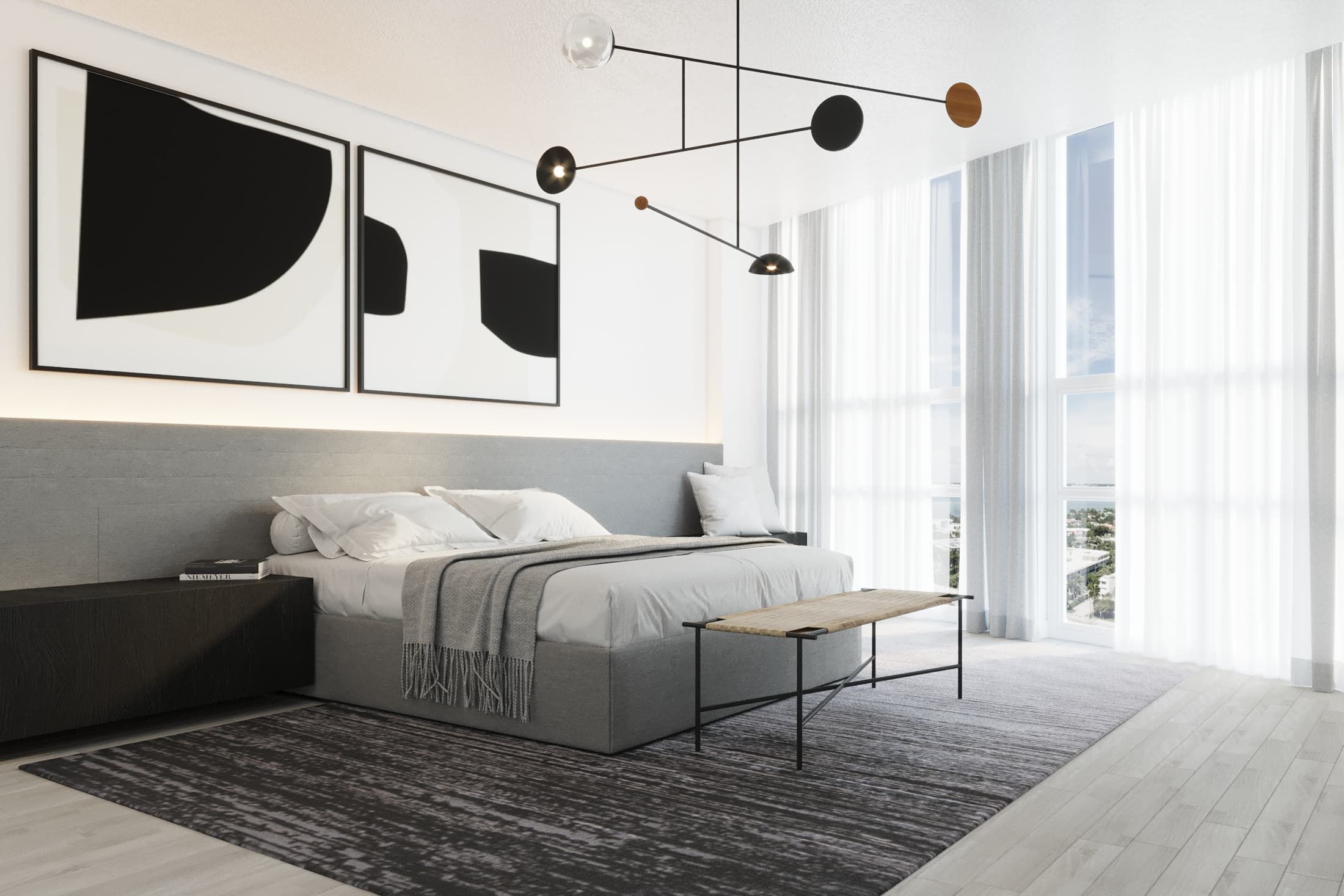

Understanding Contemporary Furniture
Contemporary furniture embodies a design philosophy that balances aesthetics and functionality, resulting in pieces that are not only stylish but also practical for modern living. The allure of contemporary furniture lies in its ability to adapt and evolve based on current trends while maintaining a timeless quality. These pieces can transform your home environment, making it feel sleek, organized, and suited to the lifestyles of today. If you’re looking to enhance your space with contemporary furniture, understanding its fundamental characteristics is paramount.
Defining the Characteristics of Contemporary Furniture
To truly appreciate contemporary furniture, one must first understand its defining characteristics. This furniture style is often recognized for its emphasis on simplicity and minimalism. Here are the key traits that frame contemporary designs:
- Simplistic Forms: Unlike ornate traditional furniture, contemporary designs favor clean lines and flat surfaces, providing a sophisticated yet understated elegance.
- Functional Design: Each piece is created with purpose, often prioritizing practical usage without sacrificing visual appeal.
- Variety of Materials: Contemporary furniture showcases a diverse palette of materials ranging from wood, metal, and glass to innovative eco-friendly options.
- Neutral Color Palette: A focus on whites, greys, and earthy tones is typical; however, pops of color can be strategically introduced to add vibrancy.
- Open Spaces: Designs often cater to open floor plans, promoting a flow that enhances the spatial experience of any room.
The Evolution of Contemporary Furniture Styles
The evolution of contemporary furniture styles is a reflection of changing societal values, technological advancements, and aesthetic preferences. Emerging primarily from the mid-20th century, contemporary furniture draws inspirations from various design movements, such as:
- Mid-Century Modern: Characterized by organic shapes and functional design, this style laid the groundwork for contemporary trends.
- Scandinavian Design: Known for its simplicity and focus on craftsmanship, this influence promotes functionality and minimalism.
- Industrial Design: The use of raw materials and factory-derived elements adds an edgy touch to contemporary aesthetics.
- Postmodern Influence: Bold colors and forms from the postmodern era have paved the way for playful and eclectic elements within contemporary furniture.
Key Materials Used in Contemporary Furniture
The choice of materials used in contemporary furniture significantly influences both its design and functionality. Some of the most popular materials include:
- Wood: Utilized for its warmth and natural beauty, wood provides a timeless appeal often finished in sleek, modern profiles.
- Metal: Stainless steel, aluminum, and other metals add a modern, industrial edge to furniture pieces while ensuring durability.
- Glass: Glass tables or accents create a sense of openness, reflecting light and making spaces feel larger.
- Fabric: Innovative fabrics that promote easy maintenance while providing comfort are increasingly popular in upholstery.
- Eco-Friendly Materials: Sustainable sourcing is on the rise, with reclaimed wood and recycled materials becoming essential to many contemporary designs.
Choosing Contemporary Furniture for Your Home
When selecting contemporary furniture, it’s crucial to prioritize both style and function. By assessing your space and understanding your personal preferences, you can make informed choices that not only look stunning but also serve your needs effectively.
Assessing Your Space and Needs
Before diving into furniture shopping, take time to assess your living space. Consider the following factors:
- Room Dimensions: Measure your room to determine what scale of furniture works best, avoiding overcrowding.
- Layout: Think about how you will arrange furniture to enhance flow and maximize utility.
- Functionality: Identify your needs—do you require multi-functional pieces, or are you looking for something specific for relaxation?
- Personal Style: Decide on a specific style that resonates with you, ensuring that your chosen furniture complements the overall aesthetic of the home.
Color Schemes and Aesthetics for Contemporary Interiors
The color palette of contemporary furniture can set the tone for an entire room. While contemporary designs lean towards neutral shades, integrating vibrant colors can bring personality to your space:
- Neutral Base: Shades of white, beige, and grey provide a calming backdrop that allows furniture and accents to stand out.
- Accent Colors: Bold hues like navy blue, emerald green, or mustard yellow can be incorporated through cushions, artwork, or statement pieces.
- Textures: Play with textures by combining smooth finishes with soft fabrics to create depth and interest.
- Natural Elements: Introduce plants or wooden features to soften the palette while promoting a cozy atmosphere.
Functional Versatility in Contemporary Pieces
The versatility of contemporary furniture is one of its greatest advantages. Many pieces boast multi-functionality, which is perfect for modern homes:
- Convertible Furniture: Sofas that turn into beds or coffee tables with integrated storage can optimize limited spaces.
- Modular Systems: Sections that can be rearranged allow flexibility and adaptability as needs change.
- Expandable Dining Sets: Ideal for those who host gatherings, these pieces can easily adjust to accommodate more guests.
- Mobile Solutions: Furniture on wheels or lightweight designs facilitate easy reconfiguration whenever necessary.
Incorporating Contemporary Furniture into Different Rooms
Each room in your home presents unique opportunities to integrate contemporary furniture effectively. By understanding the functional requirements of each space, you can enhance your home’s aesthetic appeal and usability.
Living Room Setup Ideas
The living room serves as the heart of most homes. Here are several ways to utilize contemporary furniture in this space:
- Sleek Sectionals: Choose a sectional sofa that prioritizes comfort yet maintains streamlined aesthetics.
- Statement Coffee Tables: Opt for unique materials like glass or metal to serve as a focal point.
- Smart Storage Solutions: Select contemporary entertainment units that blend style with storage options to keep your living area uncluttered.
- Illuminating Accents: Modern pendant lights or floor lamps can highlight specific areas or set a mood within the room.
Creating Cozy Bedrooms with Contemporary Furniture
Transforming your bedroom into a relaxing oasis is achievable with the right contemporary furniture choices:
- Bed Frames: A platform bed with built-in storage can streamline your space while offering a modern look.
- Nightstands: Look for sleek designs that coordinate with your bed style and offer functional storage.
- Dresser Styles: Minimalist dressers provide ample storage without dominating the visual field.
- Cushioned Accents: Incorporate contemporary lounge chairs or ottomans for additional seating and comfort.
Functional Home Office Designs
With the rise of remote work, your home office must be both stylish and practical. Here’s how contemporary furniture can enhance this space:
- Ergonomic Desks: Choose desks that focus on ergonomic design, supporting comfort during long working hours.
- Multi-Functional Desks: Consider desks with built-in storage or modular components for a clean, organized setup.
- Stylish Chairs: Invest in a contemporary chair that encourages good posture and adds a polished touch to your decor.
- Inspiring Decor: Enhance productivity with soothing artwork or motivational quotes printed on contemporary-style frames.
Maintaining and Caring for Your Contemporary Furniture
Caring for contemporary furniture helps ensure its longevity while preserving its aesthetic appeal. Implementing proper maintenance routines will keep your investments looking new:
Effective Cleaning Techniques
The cleaning methods suitable for contemporary furniture vary by material. Here are some effective techniques:
- For Wood: Use a soft microfiber cloth with a wood-safe cleaner to remove dust and debris.
- For Upholstery: Regularly vacuum fabric furniture and clean stains promptly with suitable upholstery cleaners.
- For Glass: Utilize a streak-free glass cleaner to maintain shine and transparency.
- For Metal: Wipe metal surfaces with a damp cloth and mild detergent; avoid abrasive cleaners.
Protecting Natural Finishes
Natural finishes, such as wood or leather, require special attention to avoid damage:
- Use Coasters: Prevent heat and moisture damage by always using coasters under drinks.
- Avoid Direct Sunlight: Place furniture away from direct sunlight to protect finishes from fading and degrading.
- Seasonal Care: Follow seasonal maintenance routines, like moisturizing leather to prevent cracking or waxing wood surfaces periodically.
Repairing Common Damages
Understanding how to handle common damage can save you from costly replacements:
- Scratches on Wood: Use a wood filler to mend scratches, followed by polishing to blend the repair.
- Upholstery Stains: Blot stains with a damp cloth and a mild detergent. For stubborn stains, consider hiring a professional cleaner.
- Loose Joins: Tighten loose screws or joints using a wood glue for stability; prevent wobbling furniture.
FAQs About Contemporary Furniture
What defines contemporary furniture?
Contemporary furniture is characterized by clean lines, functional form, a mix of materials, and often a neutral color palette, reflecting current trends and designs.
How do I choose the right size for my space?
Measure your room dimensions carefully and select furniture that complements the space without overwhelming it. Aim for balance and functionality.
Can contemporary furniture fit into traditional decor?
Yes, contemporary pieces can enhance traditional decor by introducing contrasts. Opt for carefully chosen styles that dialogue well with existing elements.
What materials are best for durability?
Materials such as hardwood, metal, and high-quality upholstery fabrics are known for their durability, ensuring long-lasting performance in contemporary furniture.
Are there eco-friendly contemporary furniture options?
Absolutely! Many contemporary furniture lines emphasize sustainable practices, offering pieces made from reclaimed materials or utilizing eco-friendly finishes.