
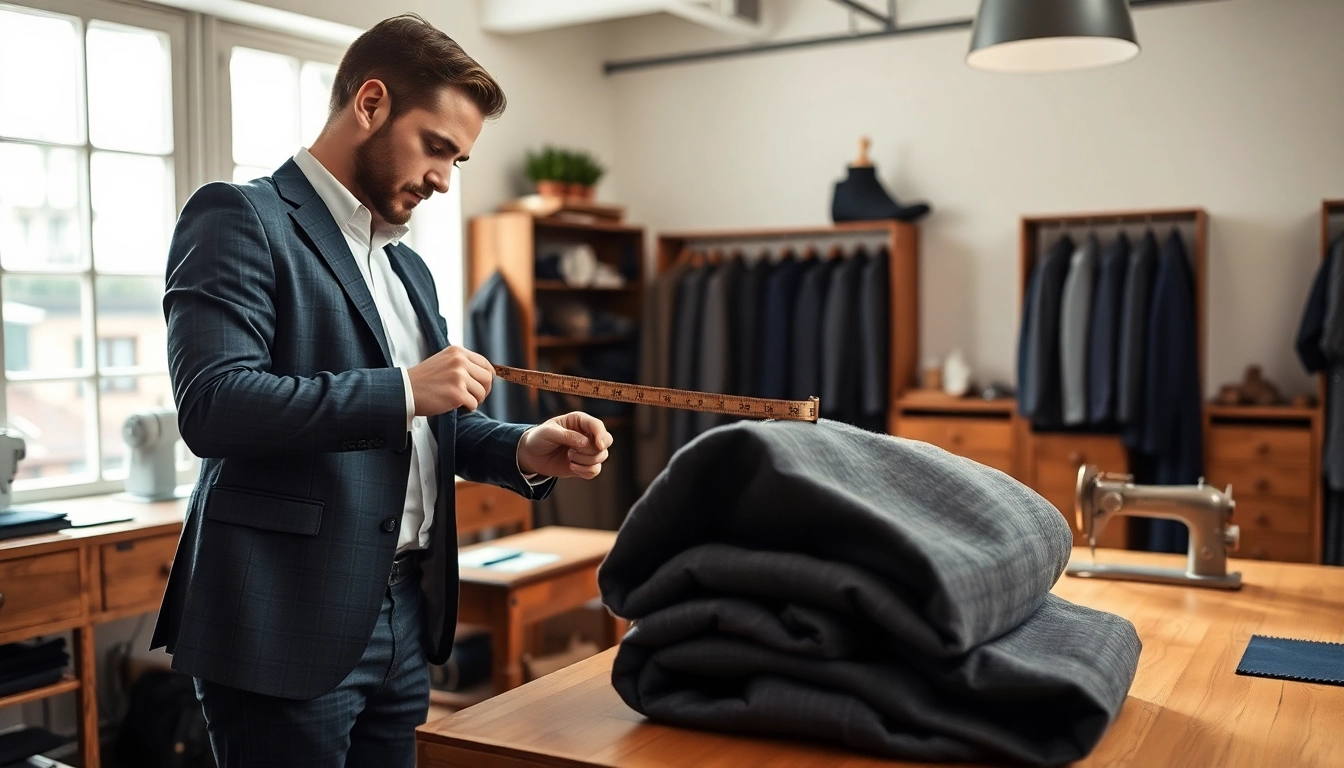

Understanding Bespoke Custom Made Suits
Definition and History
Bespoke custom made suits embody the pinnacle of tailored clothing, representing a centuries-old tradition in the fashion industry. Originating in Savile Row, London, bespoke tailoring began in the late 19th century, where tailors meticulously crafted garments tailored to individual clients’ specifications. Unlike off-the-rack suits, which are mass-produced and follow standard sizing, bespoke suits are uniquely created for each client, ensuring a precise fit and personal style.
Benefits of Choosing Bespoke
Opting for bespoke custom made suits provides numerous advantages that elevate one’s wardrobe significantly. First and foremost, the fit is unparalleled; each suit is crafted to the wearer’s unique measurements, enhancing comfort and appearance. Second, the quality of materials used in bespoke suits is typically superior, often featuring high-grade fabrics sourced from reputable mills. Third, this level of customization allows clients to select elements like lapel style, button type, and pocket configuration, ensuring the final product reflects their personal style and identity.
Key Characteristics of Bespoke Custom Made Suits
Bespoke suits exhibit distinct characteristics setting them apart from other suit options. These include:
- Tailored Fit: Every aspect of the suit is tailored specifically for the individual, ensuring it fits like a glove.
- High-Quality Craftsmanship: Skilled artisans employ traditional techniques, using a combination of hand and machine sewing.
- Made-to-Measure Patterns: Unlike ready-to-wear suits, bespoke suits start from scratch, with patterns created based on detailed measurements.
- Extensive Fabric Selection: Clients can choose from a vast array of fabrics, colors, and patterns, going beyond standard offerings.
- Customization Options: Details such as stitching, lining, and pockets can be personalized to meet specific tastes.
How to Choose Your Perfect Bespoke Suit
Selecting Fabric and Style
The selection of fabric is one of the most critical choices in the bespoke tailoring process. Customers should consider the season, occasion, and personal preference when selecting materials. Wool is a popular choice for its versatility and breathability, while linen suits are ideal for summer due to their lightweight nature. For formal occasions, silk blends can add a touch of luxury. Additionally, clients can opt for patterns such as houndstooth or pinstripes, which can add sophistication to any outfit.
Understanding Fit and Measurements
Achieving the perfect fit in a bespoke suit requires a thorough understanding of body measurements. Tailors often begin with a comprehensive measurement process where they note key metrics such as shoulder width, chest circumference, and arm length. Beyond basic measurements, considerations such as posture and body shape are paramount. Professional tailors may use fitting sessions to adjust and perfect fit, offering a truly individualized experience.
Choosing Tailoring Options
During the tailoring process, clients can choose various options that determine the overall style and function of their suit. These may include:
- Lapels: Clients can select from notch, peak, or shawl lapel styles, which influence the suit’s formality.
- Jacket Cut: Options include single-breasted or double-breasted jackets, impacting the suit’s silhouette.
- Pant Style: Choices range from flat-front to pleated trousers, affecting comfort and style.
- Vent Options: Deciding between single or double vents can enhance movement and comfort while sitting.
Caring for Your Bespoke Custom Made Suits
Proper Cleaning Methods
Caring for bespoke custom made suits requires attention to avoid damage. It is advisable to dry clean suits sparingly to maintain fabric integrity. Spot cleaning can be an effective method for minor stains; however, if a more thorough cleaning is necessary, a reputable dry cleaner familiar with bespoke garments should be utilized. Regular airing out and brushing can also help in keeping the suit fresh.
Storage Tips for Tailored Clothing
Proper storage is essential for preserving a bespoke suit’s shape and longevity. Clients should invest in high-quality wooden hangers that mimic the structure of the shoulders to maintain the jacket’s form. Furthermore, storing the suit in a breathable garment bag can protect it from dust and moisture. Avoiding cramped storage spaces ensures the fabric maintains its quality without creases or damage.
Maintenance and Repairs
Regular maintenance will prolong the life of a bespoke suit. Small repairs, such as fixing loose buttons or minor stitching, should be addressed promptly to maintain appearance. Regular inspections are advisable to catch any signs of wear or damage early. An experienced tailor can provide alterations as needed, ensuring the suit continues to fit perfectly over time.
The Cost of Bespoke Custom Made Suits
Budgeting for Your Suit
Investing in a bespoke suit is often viewed as a luxury purchase; however, understanding the cost breakdown is essential for budgeting. Prices for bespoke suits typically start around $2,500 and can exceed $5,000, depending on the fabric selection and level of customization. A detailed discussion with the tailor can help establish a budget that aligns with both the desired quality and the client’s financial capacity.
Factors Influencing Price
Several factors influence the final price of bespoke suits, including:
- Fabric Quality: High-grade fabrics from reputable mills generally incur higher costs.
- Tailoring Expertise: Renowned tailors may command higher fees based on their reputation and skill
- Customization Level: The number of bespoke features, from linings to personal embellishments, can impact the overall price.
Value of Quality Craftsmanship
Investing in a bespoke suit provides value beyond initial expenditure. The quality craftsmanship ensures durability, likely leading to fewer replacements over time. A well-made suit can become a staple in a wardrobe, offering timeless style that transcends seasonal trends. Moreover, bespoke suits often translate into an enhanced confidence and professional appearance, making them a wise investment for personal and professional occasions.
FAQs About Bespoke Custom Made Suits
What is a bespoke suit?
A bespoke suit is a fully customized garment tailored for the individual client, specific to their measurements and preferences.
How long does it take to make a bespoke suit?
The process typically takes 4 to 8 weeks, depending on the level of customization and the tailor’s schedule.
How much should I expect to pay for a bespoke suit?
Prices can vary widely, generally starting around $2,500 and increasing based on fabric, design, and tailor expertise.
Can I customize a bespoke suit for a specific event?
Yes, bespoke suits are designed according to your specifications, making them ideal for weddings, interviews, and other events.
What are the differences between bespoke and tailored suits?
A bespoke suit is handcrafted from scratch, while a tailored suit modifies an existing pattern to fit the client’s measurements.
Choosing Bespoke custom made suits is an investment in quality and personal expression, reflecting the sophistication and attention to detail that define true mastery in tailoring.