
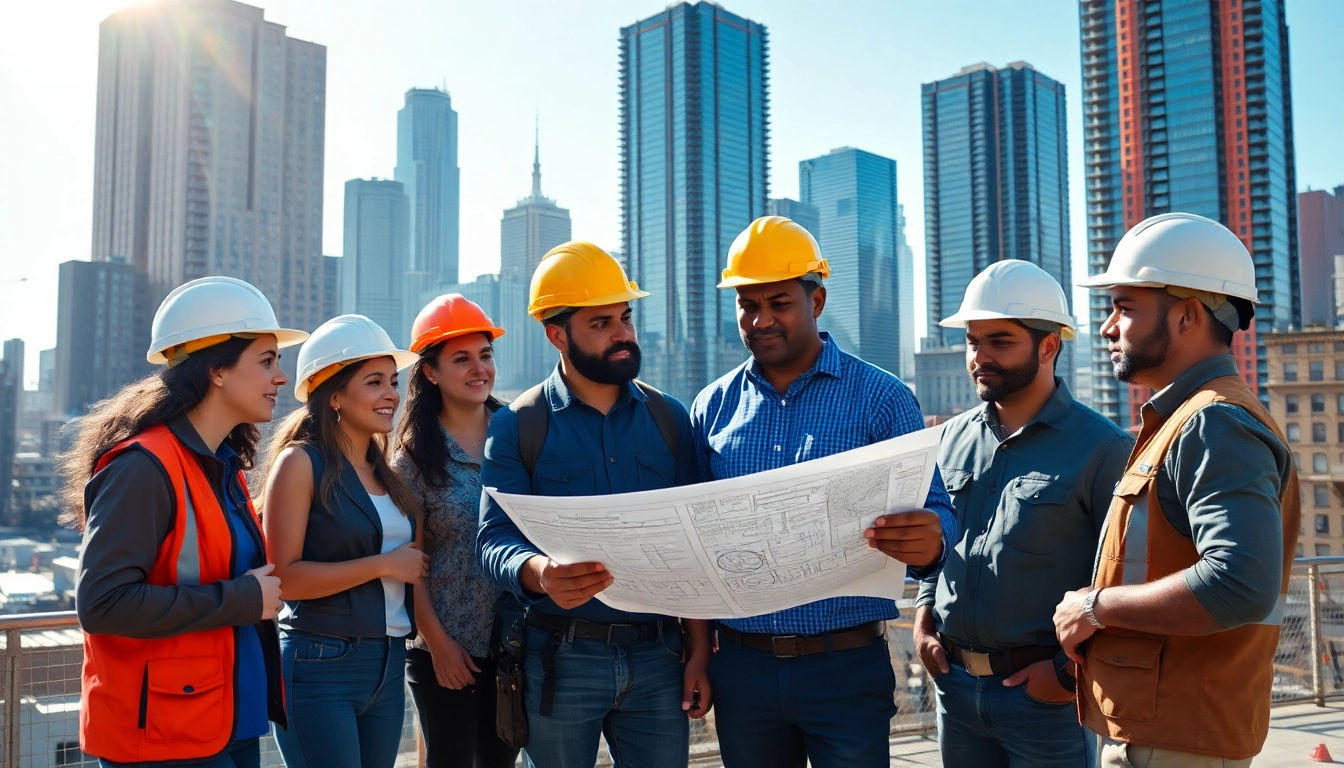

Understanding the Role of a New York City Commercial General Contractor
Definition and Responsibilities
A New York City Commercial General Contractor serves as the backbone of construction projects, overseeing everything from initial planning to final execution. Their primary responsibility is to manage the construction processes as well as subcontractors, suppliers, and on-site workers. General contractors navigate the complexities of the construction landscape, coordinating with various stakeholders to ensure that projects are delivered on time, within budget, and to the expected quality standards.
Additionally, their responsibilities include acquiring necessary permits, ensuring compliance with local codes, managing the budget and timelines, as well as addressing any issues that arise during construction. They act as mediators between clients and subcontractors, ensuring clear communication is upheld throughout the project. A competent general contractor is crucial for the successful delivery of any commercial construction project.
Importance in Construction Projects
The role of a New York City Commercial General Contractor cannot be understated. With the city’s dynamic construction landscape, characterized by diverse regulations, a highly competitive environment, and multifaceted projects, having a qualified contractor is essential. They ensure that the project adheres not only to building codes but also to the specific needs of the client.
In a city like New York, where space and quality are at a premium, general contractors are tasked with maximizing resources while minimizing costs. Their expertise allows for better risk management—as they can foresee potential challenges and have strategies in place to mitigate them. This capability ultimately results in smoother project execution and better outcomes, enhancing the client’s satisfaction and the likelihood of repeat business.
Key Skills Required
The demands on a New York City Commercial General Contractor require a diverse skill set. Some of the key skills necessary include:
- Project Management: The ability to plan, execute, and oversee all aspects of a project, ensuring efficiency and effectiveness.
- Financial Acumen: Understanding budgeting, cost estimation, and financial resource allocation is critical for maintaining fiscal accountability.
- Knowledge of Local Regulations: Navigating and complying with New York City’s building codes and regulations is a must for successful project completion.
- Effective Communication: Clear communication with all stakeholders—clients, workers, suppliers—is essential for ensuring everyone is on the same page.
- Problem-Solving: The ability to swiftly identify issues and implement effective solutions can save time and resources.
Choosing the Right New York City Commercial General Contractor
Factors to Consider
When selecting a general contractor, various factors should be considered to ensure a seamless construction process. Start with their licensing and insurance; a valid license and comprehensive insurance coverage are fundamental safeguards. Additionally, consider their past project experience—contractors who have successfully managed similar projects are more likely to deliver favorable outcomes.
The size of the contractor’s firm may also influence your choice; larger firms often have more resources, but smaller firms might offer personalized service. Finally, understanding their approach and philosophy towards construction will help ensure alignment with your project goals.
Evaluating Experience and Expertise
Evaluating a contractor’s experience is paramount. Look for factors such as the number of years in business, types and sizes of projects completed, and specific expertise in areas relevant to your own project. Requesting case studies or examples of previous work can provide insight into how well a general contractor manages complex projects.
It is also prudent to ask about their subcontractor relationships. Contractors that have established long-term partnerships with skilled subcontractors often achieve better outcomes due to reliable teamwork and high standards of workmanship.
Reading Reviews and Testimonials
Client reviews and testimonials offer valuable insights into a contractor’s reputation and performance. Collect feedback from previous clients regarding their experiences, paying attention to communication, quality of work, timeliness, and adherence to budget. Additionally, consulting platforms where contractors are rated can provide quantitative measures of reliability and satisfaction. Engaging in direct conversations with past clients can reveal nuanced details that written reviews might miss.
Best Practices for Working with a Commercial General Contractor
Effective Communication Strategies
Effective communication is the cornerstone of success in any construction project. Establishing regular check-ins—daily, weekly, or bi-weekly—ensures all parties remain informed about progress and any arising issues. Utilizing project management tools can further streamline communication, enabling real-time updates and shared access to project timelines, budgets, and plans.
Cultivating a culture of openness allows team members to share input, raise concerns, and contribute suggestions. Such an environment fosters collaboration, ultimately leading to better problem-solving and innovation.
Setting Clear Expectations
Another critical aspect is delineating clear expectations from the get-go. This encompasses project scope, timelines, budget constraints, and quality standards. Clear documentation of these expectations helps to align all stakeholders and minimize misunderstandings later in the project. Utilize contracts to formalize terms, and where possible, create visual timelines or scope documents for shared understanding.
Managing Project Timelines and Budgets
Proactively managing project timelines and budgets is essential to prevent overruns and delays. Implementing a detailed project schedule with milestones allows stakeholders to gauge progress and keep the project on track. Budget management involves regular financial reporting highlighting expenses versus original estimates, making it easy to identify areas requiring attention.
Contingency planning is also vital; allocate a percentage of the budget for unforeseen circumstances, and be prepared to adjust the timeline as necessary to accommodate changes while retaining quality.
Challenges Faced by New York City Commercial General Contractors
Urban Regulations and Compliance Issues
New York City’s complex regulatory landscape presents significant challenges for commercial contractors. They must navigate a plethora of zoning laws, safety compliance mandates, and environmental regulations. The risks of non-compliance can range from project delays to hefty fines, making it imperative for contractors to stay updated on relevant laws and obtain all necessary permits beforehand. Employing legal counsel or consultants familiar with local regulations can help contractors mitigate these risks effectively.
Weather and Environmental Factors
The unpredictable weather patterns in New York can also present challenges during construction projects. Rain, snow, heat waves, and cold temperatures can delay progress and affect the quality of work. Establishing a flexible construction schedule that accounts for potential weather disruptions can minimize impact. Additionally, implement contingency plans that allow work to progress smoothly even under adverse conditions, such as using indoor spaces or protective coverings on job sites.
Labor Shortages and Supply Chain Disruptions
Labor shortages and supply chain disruptions further complicate the roles of commercial contractors in New York City. The construction industry experiences fluctuations in available labor, often resulting in difficulties in sourcing skilled tradespeople. General contractors must continuously nurture relationships with subcontractors and labor suppliers to ensure consistent access to workforce resources.
Moreover, with supply chain challenges arising from global events, building materials can become scarce or delayed. Planning and pre-ordering materials while considering alternative suppliers can mitigate potential setbacks and facilitate smoother project execution.
Future Trends in New York City Commercial Contracting
Embracing Sustainable Practices
Sustainability is no longer a trend; it’s becoming a guiding principle for construction in New York City. Contractors are increasingly adopting green building practices to minimize environmental impact and meet growing consumer demand for eco-friendly projects. This includes using sustainable materials, implementing energy-efficient systems, and adhering to LEED (Leadership in Energy and Environmental Design) standards.
As regulations become more stringent regarding sustainability, the ability to demonstrate environmental responsibility will become a significant competitive advantage for commercial contractors in the city. Investing in training and certifications related to sustainable practices will also be invaluable as the market shifts towards greener alternatives.
Technological Acquisitions in Construction
Technology is revolutionizing the construction industry, and New York City is at the forefront of this transformation. Technologies such as Building Information Modeling (BIM), drones for site surveys, and project management software enhance efficiency and accuracy. General contractors are increasingly leveraging these tools to streamline project management, reduce errors, and improve collaboration among stakeholders.
Additionally, the use of augmented and virtual reality allows clients and stakeholders to visualize projects before they are built, significantly improving design processes and client engagement.
The Shift towards Remote Project Management
Recent events have accelerated the shift towards remote project management in the construction industry. Tools facilitating remote collaboration are now essential, allowing stakeholders to monitor progress without being physically present on-site. Contractors who successfully implement remote management practices can increase productivity, reduce overhead costs, and remain adaptive in a rapidly changing environment.
As the construction industry continues to evolve, embracing and mastering remote technologies will be critical in ensuring a competitive edge.
Frequently Asked Questions
What is a New York City Commercial General Contractor?
A New York City Commercial General Contractor is responsible for overseeing construction projects, managing subcontractors, ensuring compliance with regulations, and coordinating all aspects to deliver quality results on time and within budget.
How do I choose the right contractor?
Look for licensed and insured contractors with relevant experience, read reviews, and request case studies. Clear communication and alignment of project expectations are vital for ensuring a good match.
What are the key responsibilities of a contractor?
Responsibilities include project management, budget handling, securing permits, coordinating with subcontractors, ensuring compliance, and maintaining quality standards throughout the construction process.
What are common challenges in NYC construction?
Challenges include navigating complex regulations, dealing with weather-related disruptions, labor shortages, and supply chain issues that can impact timelines and budgets significantly.
What future trends are impacting contracting in NYC?
Future trends include the adoption of sustainable practices, technological advancements in construction, and the increasing shift towards remote project management practices, enhancing efficiency and collaboration.